
From Street Food to Skywalks: How Night Markets and Architecture Walks Are Redefining Cultural Tourism in Smart Cities
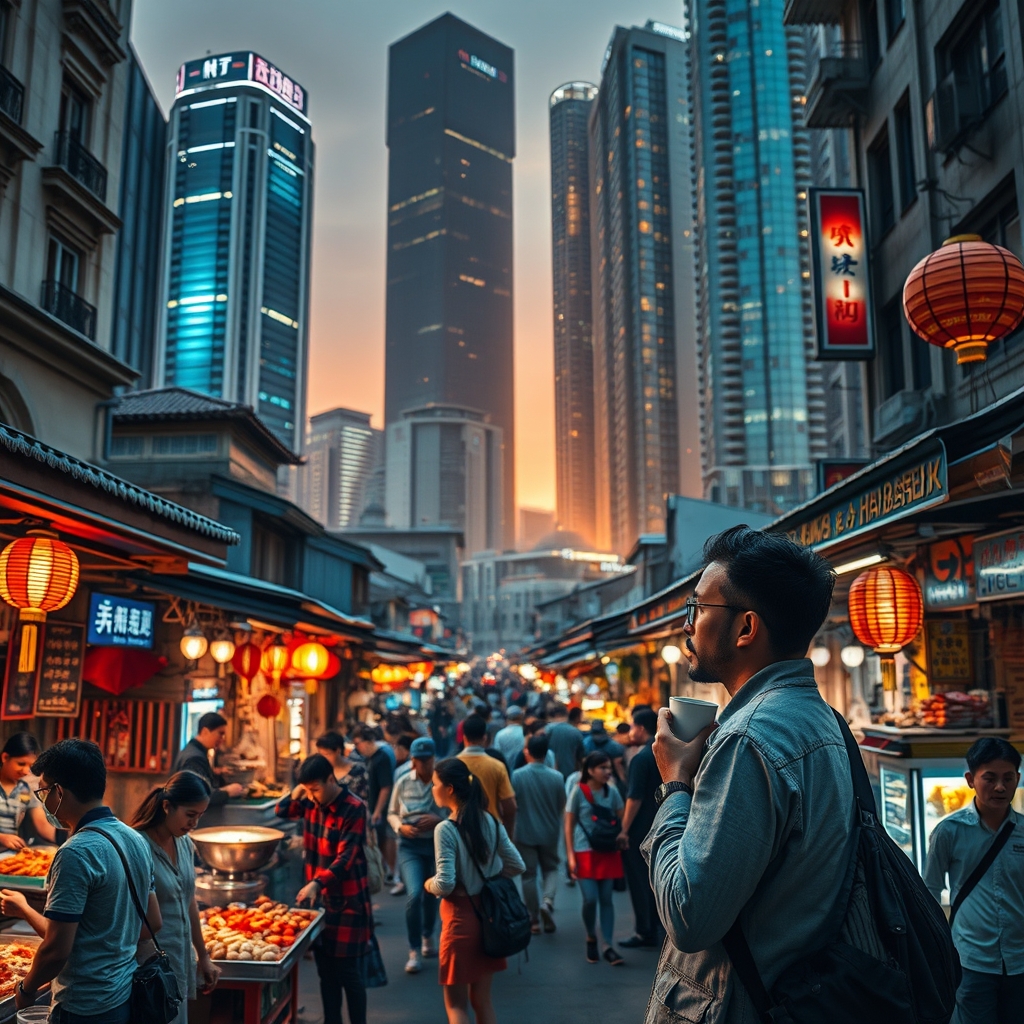
There’s something almost magical about the way a city transforms as the sun dips below the horizon. Neon signs flicker to life, the hum of daytime traffic softens into the rhythmic pulse of nightlife, and the air fills with the sizzle of street food stalls and the murmur of conversations in a dozen languages. For travelers seeking more than just a checklist of landmarks, night markets have become the beating heart of cultural tourism—a place where food, history, and local life collide in the most delicious way possible.
The Rise of Night Markets as Cultural Hubs
Night markets aren’t a new phenomenon, but their role in modern travel has evolved dramatically. Once seen as mere pit stops for cheap eats, they’ve now become immersive experiences that offer a glimpse into a city’s soul. In Taipei, the Shilin Night Market is a sensory overload of stinky tofu, bubble tea, and oyster omelets, while in Bangkok, the Rot Fai Market blends vintage shopping with Thai street food under strings of fairy lights. These spaces are no longer just about eating; they’re about storytelling, where every dish carries a piece of local history and every vendor has a tale to tell.
What makes night markets so compelling for cultural tourists is their authenticity. Unlike restaurants that cater to tourists, these markets thrive on local patronage. The best way to experience them? Go where the locals go, follow the crowds, and don’t be afraid to point at something unfamiliar. Whether it’s durian in Singapore, takoyaki in Osaka, or churros in Mexico City, the rule is simple: if it smells good, try it. The beauty of night markets lies in their impermanence—they’re fleeting, vibrant, and ever-changing, much like the cities they inhabit.
Architecture Walks: Reading the City Like a Book
If night markets are the city’s heartbeat, then its architecture is its skeleton—an intricate framework that tells the story of its past, present, and future. Architecture walks have surged in popularity as travelers seek deeper connections with the places they visit. These aren’t your typical guided tours; they’re more like detective work, where every building, bridge, and alleyway holds clues to the city’s identity.
Take Barcelona, for example, where the works of Antoni Gaudí—from the undulating curves of Casa Batlló to the unfinished masterpiece of the Sagrada Família—offer a masterclass in modernist design. Or consider Tokyo, where the contrast between ancient temples and futuristic skyscrapers creates a visual dialogue between tradition and innovation. Architecture walks allow travelers to see beyond the postcard-perfect facades and understand the forces that shaped these urban landscapes: colonial history, economic booms, natural disasters, and cultural revolutions.
For those who prefer self-guided exploration, apps like Detour or GPSmyCity provide curated routes that highlight hidden architectural gems. Alternatively, joining a local-led tour can offer insights that guidebooks often miss. The key is to look up—literally. So much of a city’s character is written in its skyline, from the ornate cornices of Parisian Haussmann buildings to the brutalist concrete of London’s Barbican Centre.
The Intersection of Smart Cities and Human-Centric Design
As cities become smarter, with sensors, data analytics, and IoT devices shaping urban planning, there’s a growing emphasis on balancing technology with human-centric design. The best smart cities aren’t just efficient; they’re also livable, walkable, and rich in cultural experiences. Singapore’s Supertrees at Gardens by the Bay, for instance, are a stunning example of how technology can enhance urban greenery, while Copenhagen’s bike-friendly infrastructure proves that sustainability and style can go hand in hand.
For travelers, this shift means more opportunities to engage with cities in meaningful ways. Smart cities are designed to be explored on foot, by bike, or via public transit, making it easier than ever to stumble upon hidden courtyards, pop-up art installations, or rooftop gardens. The challenge for urban planners is to ensure that these innovations don’t erase the city’s character but instead amplify it. After all, no amount of technology can replicate the serendipity of getting lost in a historic district or the joy of discovering a hole-in-the-wall eatery recommended by a local.
Bleisure Travel and the Blurring of Boundaries
The line between business and leisure travel has never been thinner. The rise of digital nomadism and bleisure travel—where professionals extend work trips for personal exploration—has reshaped how we experience cities. No longer confined to airport hotels and conference centers, today’s travelers are seeking out boutique hotels in artsy neighborhoods, coworking spaces with local flair, and experiences that blend productivity with pleasure.
Cities like Lisbon, Berlin, and Medellín have become hotspots for bleisure travelers, thanks to their affordable cost of living, vibrant cultural scenes, and strong digital infrastructure. The appeal lies in the ability to work from a café in the morning, take an architecture walk in the afternoon, and end the day with a food tour through a night market. This hybrid approach to travel not only enriches the experience but also fosters a deeper connection to the destination. It’s no longer about ticking off landmarks; it’s about living like a local, even if just for a few days.
Crafting Your Own Urban Adventure
So how do you design an urban exploration that’s as unique as you are? Start by ditching the rigid itinerary. Instead, pick a theme—whether it’s street art, historic districts, or micro-mobility—and let it guide your journey. Use public transit to uncover neighborhoods you might otherwise miss, like the colorful houses of Bo-Kaap in Cape Town or the canal-side alleys of Amsterdam’s Jordaan. Seek out local food tours that go beyond the usual suspects, or rent an e-scooter to zip between hidden gems at your own pace.
The most memorable urban adventures often begin with a simple question: What’s around the next corner? It’s a question that leads to serendipitous encounters—a jazz bar tucked behind an unmarked door, a bookstore with a resident cat, or a rooftop garden with a view that takes your breath away. Cities are living, breathing entities, and the best way to experience them is to dive in headfirst, armed with curiosity and an open mind. The streets are waiting, and they have stories to tell—all you have to do is listen.
As the world becomes more connected, the allure of urban exploration lies in its ability to surprise, challenge, and inspire. Whether you’re navigating the labyrinthine alleys of Marrakech, sampling street food in Hanoi, or tracing the architectural evolution of Chicago, the city is your canvas. And with every step, you’re not just a traveler; you’re a participant in its ongoing narrative, adding your own brushstrokes to the ever-evolving masterpiece of urban life.


