
Beyond the Tourist Trail: How Micro-Mobility and Local Insights Transform City Breaks
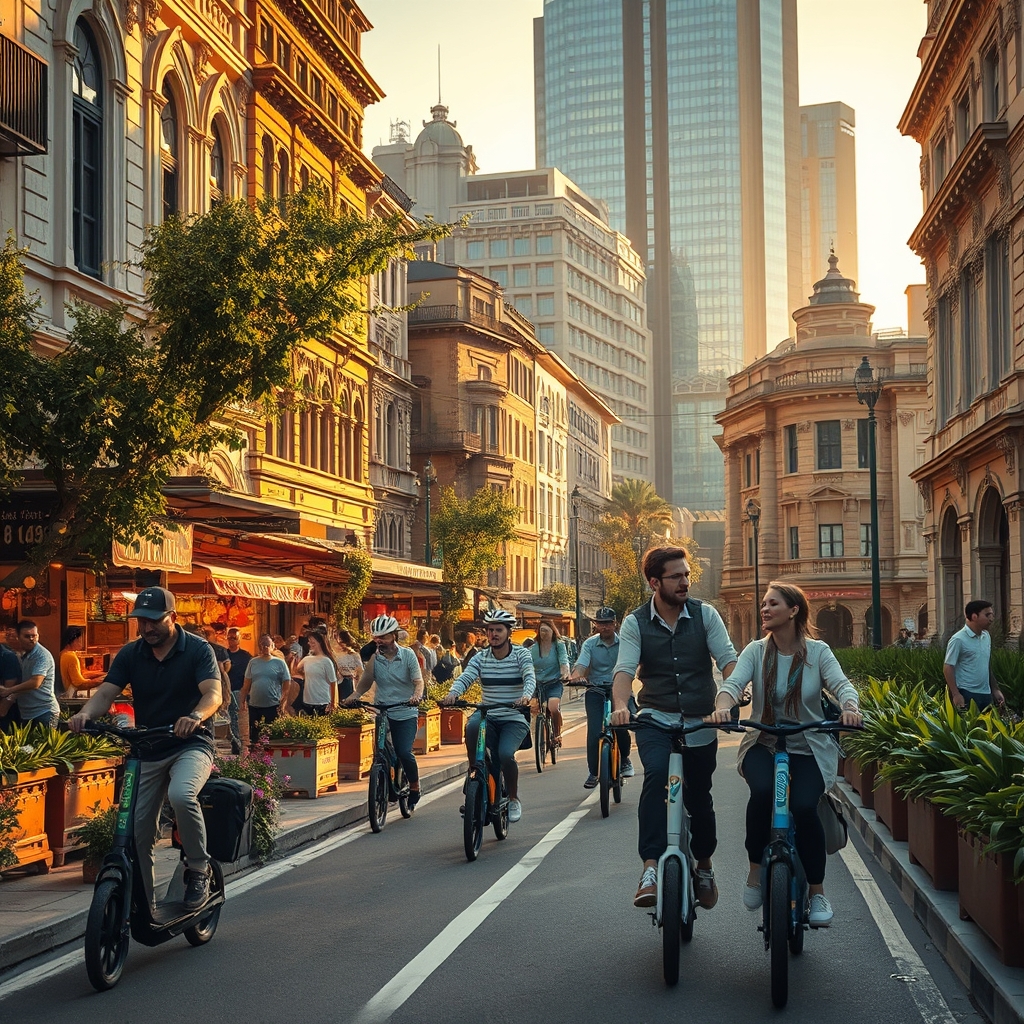
There’s a quiet revolution happening in the way we experience cities. No longer content with the well-trodden paths of guidebooks or the confines of tour buses, travelers are seeking deeper, more immersive connections with urban landscapes. The rise of micro-mobility—think e-scooters, bike-sharing schemes, and electric skateboards—has unlocked a new dimension of city exploration, allowing visitors to weave through neighborhoods at their own pace, uncovering stories and flavors that often elude the average tourist. This shift isn’t just about getting from point A to point B; it’s about redefining what it means to truly engage with a city’s rhythm, culture, and hidden corners.
The Rise of Micro-Mobility: A Game-Changer for Urban Adventurers
Micro-mobility has exploded in popularity over the past few years, and for good reason. These compact, often electric-powered vehicles offer an unparalleled sense of freedom, allowing travelers to navigate cities with agility and spontaneity. Unlike traditional public transit, which follows fixed routes and schedules, micro-mobility puts the control firmly in the hands of the explorer. A quick ride on an e-scooter can take you from a bustling shopping district to a serene urban park in minutes, or down a narrow alleyway lined with street art that you might have otherwise missed.
Cities like Barcelona, Copenhagen, and Portland have become pioneers in integrating micro-mobility into their urban fabric, with dedicated bike lanes and scooter-friendly infrastructure making it easier than ever to explore. For digital nomads and bleisure travelers—those blending business with leisure—this mode of transport is particularly appealing. It allows for quick, efficient movement between meetings and moments of exploration, turning even a short stay into a rich, multi-layered experience. The key is to embrace the unpredictability; let the city guide you, rather than the other way around.
Cultural Tourism: Beyond the Landmarks
While iconic landmarks will always have their place, there’s a growing appetite for cultural tourism that goes beyond the postcard-perfect sights. Travelers are increasingly drawn to the stories, traditions, and daily life of the places they visit. This might mean joining a local food tour that takes you through a historic district’s night markets, where the air is thick with the scent of sizzling street food and the hum of conversation in a dozen languages. Or it could involve an architecture walk led by a passionate local, revealing the layers of history embedded in a city’s buildings—from medieval facades to cutting-edge smart city innovations.
One of the most rewarding aspects of this approach is the opportunity to connect with locals. Whether it’s striking up a conversation with a vendor at a farmers’ market or joining a community-led urban greenery project, these interactions add depth to your experience. They also challenge the notion of what a city break can be. Instead of ticking off a checklist of attractions, you’re invited to slow down, observe, and engage. The result? A travel experience that feels authentic, personal, and far removed from the tourist traps.
The Allure of Staycations and Local Exploration
You don’t need to travel across the globe to experience the thrill of discovery. Staycations—where you explore your own city or nearby areas with the curiosity of a visitor—have gained traction, especially in the wake of the pandemic. This trend highlights a broader shift in how we perceive travel. It’s no longer about escaping your everyday life but about rediscovering it with fresh eyes. A staycation might involve hopping on public transit to a neighborhood you’ve never visited, or renting a bike to explore a network of urban trails that wind through parks and along riverbanks.
For those who do venture farther afield, the principles of staycationing can still apply. Approach your destination as if you’re a temporary local. Seek out the small, independent boutiques in shopping districts, rather than the chain stores you could find anywhere. Opt for a boutique hotel with a story to tell, rather than a generic international brand. These choices not only enrich your experience but also support the local economy, ensuring that the benefits of tourism are felt by the community.
Urban Greenery: The Unsung Hero of City Exploration
Amid the concrete and steel of urban landscapes, pockets of greenery offer a breath of fresh air—literally and figuratively. Urban parks, rooftop gardens, and even vertical plant installations are becoming integral to the identity of smart cities. These spaces provide more than just aesthetic appeal; they’re vital for mental well-being, offering a respite from the hustle and bustle of city life. For explorers, they’re also a gateway to new experiences. A picnic in a historic park, a morning yoga session in a community garden, or a leisurely stroll through a botanical garden can reveal a side of the city that’s often overlooked.
Cities like Singapore, with its Gardens by the Bay, and New York, with the High Line, have turned urban greenery into major attractions. But you don’t need to visit a world-famous park to appreciate the role of nature in urban exploration. Even the smallest green spaces can hold surprises—a hidden sculpture, a pop-up art installation, or a local market selling fresh, seasonal produce. The key is to seek them out and let them become part of your city narrative.
The Digital Nomad’s Guide to Immersive City Living
For digital nomads, the line between travel and everyday life is beautifully blurred. The ability to work from anywhere has opened up a world of possibilities, but it also comes with the challenge of finding a sense of belonging in transient spaces. The solution? Treat each city as a temporary home, rather than just a stopover. This means diving into the local culture, whether that’s through language classes, cooking workshops, or volunteering opportunities. It means choosing accommodation that feels like a home away from home—a cozy apartment in a historic district or a boutique hotel with a communal workspace.
Micro-mobility plays a crucial role here, too. E-bikes and scooters make it easy to explore during lunch breaks or after work, turning mundane errands into mini-adventures. Public transit, too, can be a lifeline, offering a glimpse into the daily lives of locals. Strike up a conversation with a fellow commuter, or simply observe the ebb and flow of the city from the window of a tram. These small moments add up, creating a tapestry of experiences that make each city feel unique.
As cities continue to evolve, so too does the way we experience them. The tools and trends shaping modern travel—micro-mobility, cultural tourism, staycations, and urban greenery—are not just fleeting fads. They represent a fundamental shift in how we connect with the world around us. Whether you’re a weekend explorer, a digital nomad, or a bleisure traveler, the key is to embrace the journey with an open mind and a spirit of curiosity. The best stories are often found not in the places you expect, but in the moments of serendipity that arise when you dare to venture beyond the tourist trail.


