
The Art of Slow Travel: Rediscovering Cities Through Urban Exploration
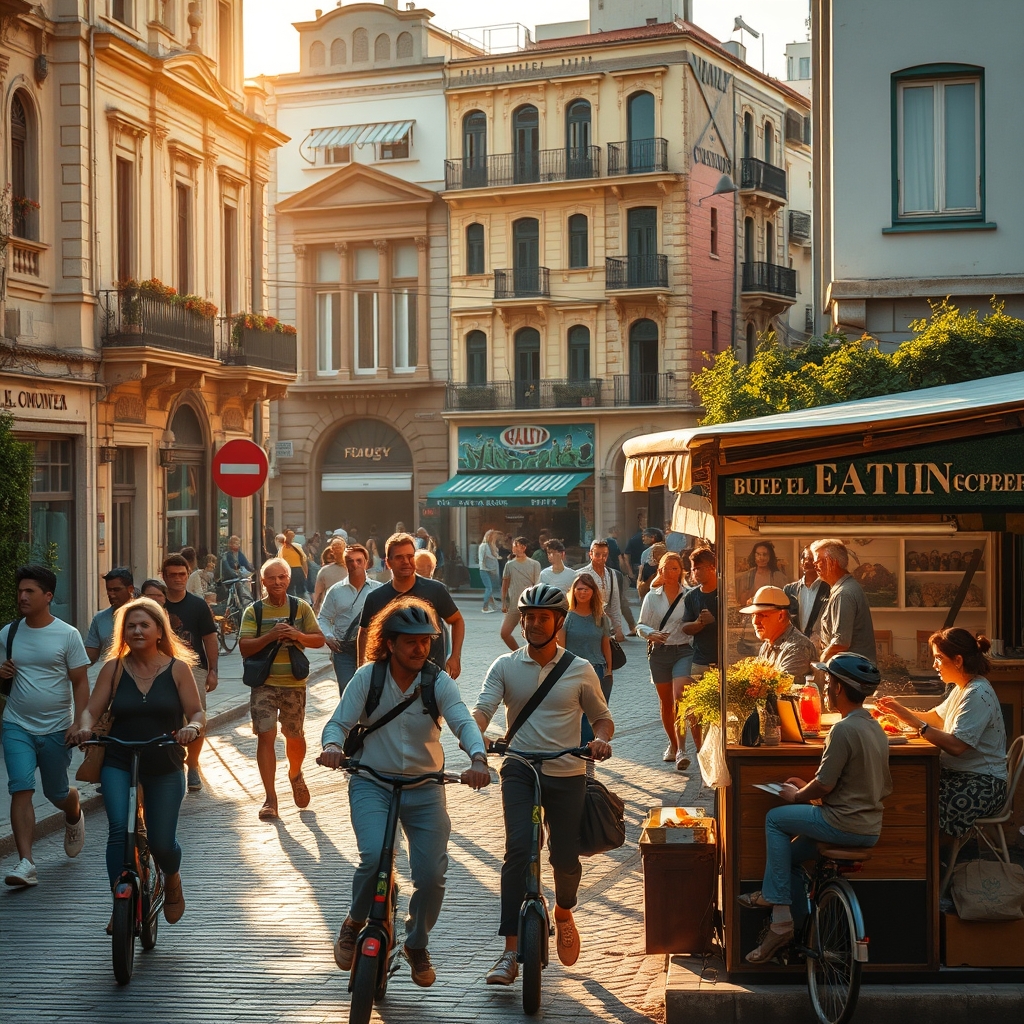
In an era where travel is often synonymous with ticking off landmarks from a checklist, the concept of slow travel invites us to pause, breathe, and immerse ourselves in the rhythm of a city. Urban exploration, when done mindfully, transforms a simple visit into a rich tapestry of experiences—where the hum of a metro station, the aroma of street food, and the stories etched into historic districts become the true highlights of a journey. This approach to travel isn’t about rushing; it’s about savoring, discovering, and connecting with the soul of a place.
The Rise of Mindful City Walking
City walking has evolved from a mere mode of transportation to a deliberate act of exploration. Unlike guided tours that follow a rigid itinerary, mindful city walking encourages spontaneity. It’s about wandering down an alley because it looks intriguing, stopping at a local café because the scent of freshly baked pastries lures you in, or striking up a conversation with a street vendor who’s been selling the same recipe for decades. This unstructured approach allows travelers to stumble upon hidden gems—whether it’s a tucked-away courtyard in a historic district or a mural that tells the story of a neighborhood’s resilience.
Smart cities, with their blend of technology and urban planning, are making this kind of exploration easier than ever. Apps that highlight walking routes, public transit systems that connect cultural hubs, and digital maps that pinpoint local hotspots empower travelers to navigate cities with confidence. Yet, the real magic happens when technology takes a backseat, and the city itself becomes the guide. The clatter of a tram, the chatter of a night market, or the quiet rustle of leaves in an urban park can often lead to the most unforgettable moments.
Micro Mobility: The Freedom to Roam
For those who crave a bit more speed without sacrificing the intimacy of slow travel, micro mobility offers the perfect solution. E-scooters, bike-sharing programs, and even electric skateboards have revolutionized the way we move through cities. These modes of transport are not just eco-friendly; they’re gateways to experiencing a city like a local. Imagine gliding along a riverfront bike path at sunset, weaving through bustling shopping districts, or stopping on a whim to explore a boutique hotel’s rooftop garden. Micro mobility turns every journey into an adventure, where the destination is just as important as the ride itself.
Cities that prioritize micro mobility infrastructure—like dedicated bike lanes, scooter parking zones, and pedestrian-friendly streets—are leading the charge in redefining urban travel. For digital nomads and bleisure travelers, this flexibility is invaluable. It allows them to seamlessly blend work and leisure, hopping from a co-working space to a street food stall or a historic site without the hassle of traffic or crowded public transit. The result? A deeper connection to the city and a travel experience that feels both liberating and authentic.
Cultural Tourism: Beyond the Postcard
Cultural tourism is often reduced to visiting museums, attending performances, or snapping photos of iconic landmarks. While these activities have their place, true cultural immersion goes much deeper. It’s about engaging with the living, breathing culture of a city—through its food, its people, and its traditions. Local food tours, for instance, are a gateway to understanding a city’s history and identity. A bowl of pho in Hanoi, a plate of tapas in Barcelona, or a serving of poutine in Montreal isn’t just a meal; it’s a story of migration, trade, and community.
Architecture walks offer another layer of cultural insight. Every building, from a centuries-old cathedral to a modern skyscraper, reflects the values, aspirations, and challenges of its time. Guided walks that focus on architectural styles—like Art Deco in Miami, Brutalism in London, or colonial architecture in Singapore—provide a lens through which to view a city’s evolution. These walks aren’t just for history buffs; they’re for anyone who wants to see a city as more than a backdrop for their travels.
The Allure of Staycations and City Breaks
Not all travel requires a passport. Staycations and city breaks have gained popularity as people seek to rediscover the magic of their own cities or explore nearby urban hubs. A staycation might involve booking a boutique hotel in a different neighborhood, visiting a museum you’ve never been to, or simply spending a day wandering without a plan. It’s a reminder that adventure doesn’t always require a plane ticket—sometimes, it’s just a matter of shifting your perspective.
City breaks, on the other hand, are the perfect antidote to the monotony of daily life. A long weekend in a nearby city can feel like a mini-vacation, especially when you approach it with the same curiosity as a first-time visitor. Explore the urban greenery of a city park, lose yourself in the labyrinth of a historic district, or indulge in the sensory overload of a night market. These short getaways are a testament to the idea that travel isn’t about the distance you cover, but the depth of the experiences you collect.
The Future of Urban Exploration
As cities continue to evolve, so too will the ways we explore them. Smart cities are integrating technology to enhance the traveler’s experience, from augmented reality tours that bring history to life to apps that recommend personalized itineraries based on your interests. Yet, no matter how advanced these tools become, the essence of urban exploration will always lie in the human connection—whether it’s the warmth of a local shopkeeper, the shared laughter of fellow travelers at a street food stall, or the quiet awe of standing in the shadow of a centuries-old monument.
The next time you find yourself in a new city, resist the urge to rush. Instead, let the city guide you. Take the metro to a neighborhood you’ve never heard of, strike up a conversation with a stranger, or simply sit on a bench and watch the world go by. In the end, the most memorable travel experiences aren’t the ones you plan meticulously, but the ones that unfold naturally, revealing the heart and soul of a place one step at a time. The city is waiting—all you have to do is slow down and listen.


