
The Future of Urban Mobility: How Smart and Sustainable Transport is Reshaping Cities
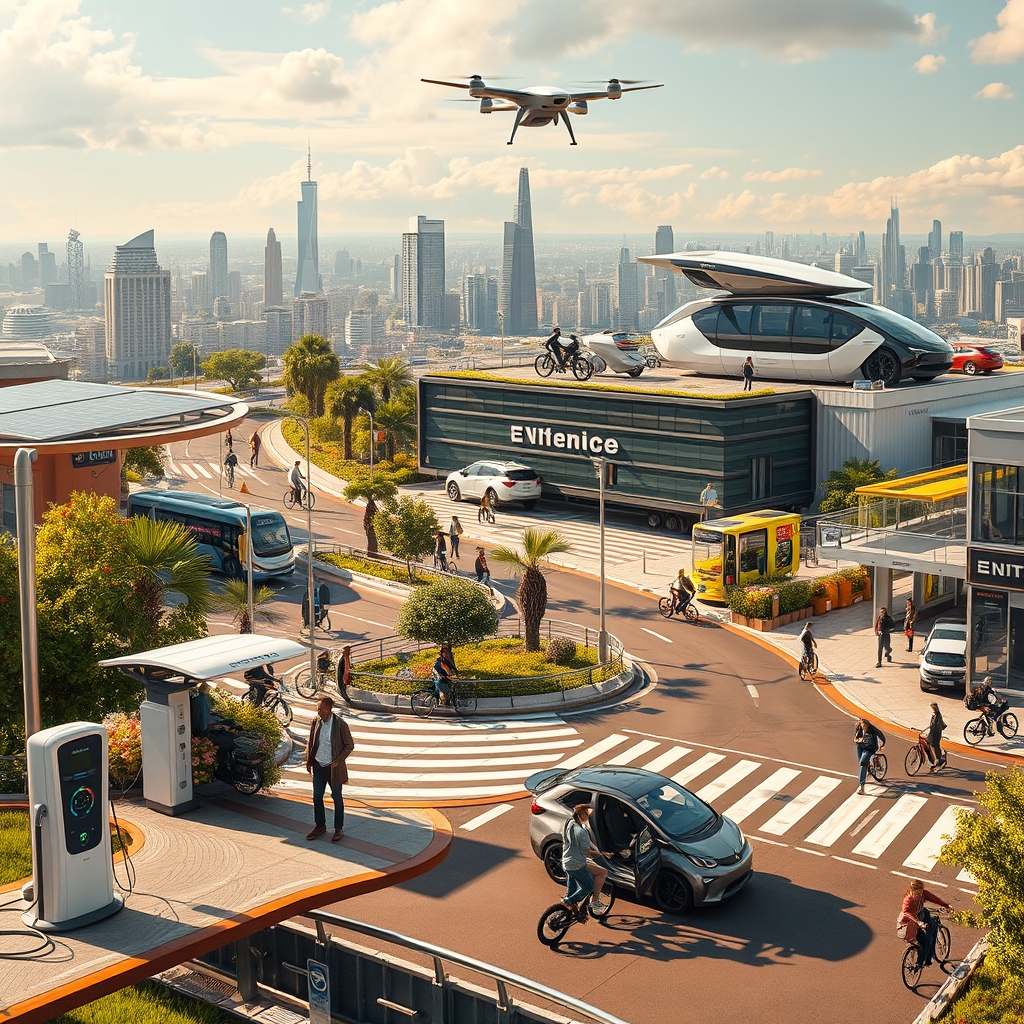
The way we move through cities is undergoing a radical transformation. Gone are the days when urban mobility was synonymous with traffic jams, pollution, and inefficiency. Today, a convergence of technological innovation and environmental urgency is giving rise to a new era of transportation—one that is smarter, cleaner, and more connected than ever before. From electric vehicles (EVs) to autonomous shuttles and drone deliveries, the future of urban mobility is being written right now, and it promises to redefine how we live, work, and interact with our cities.
The Rise of Electric and Hybrid Vehicles
At the forefront of this revolution are electric and hybrid vehicles, which are rapidly replacing traditional internal combustion engine cars. The shift is driven by a combination of stricter emissions regulations, advancements in battery technology, and growing consumer demand for sustainable alternatives. Electric vehicles, in particular, have seen exponential growth, with global sales surpassing 10 million units in 2022—a figure that is expected to rise dramatically in the coming years. Hybrid cars, which combine electric and gasoline power, serve as a transitional technology, offering a compromise for drivers who are not yet ready to fully commit to electric.
Battery technology is a critical enabler of this transition. Lithium-ion batteries, which dominate the market today, are becoming more efficient, affordable, and capable of longer ranges. Meanwhile, solid-state batteries, still in development, promise even greater energy density and safety, potentially revolutionizing the EV landscape. As battery costs continue to decline, the price gap between electric and conventional vehicles is narrowing, making EVs an increasingly attractive option for mainstream consumers.
Smart and Connected Vehicles: The Brain of Modern Mobility
Beyond electrification, vehicles are becoming smarter and more connected. Connected vehicles, equipped with internet access and vehicle-to-everything (V2X) communication, can interact with traffic lights, road sensors, and other vehicles to optimize traffic flow, reduce congestion, and enhance safety. This technology is a cornerstone of intelligent transport systems (ITS), which use real-time data to create more efficient and responsive urban mobility networks.
Autonomous vehicles (AVs) represent the next frontier in smart mobility. While fully self-driving cars are not yet widespread, companies like Waymo, Tesla, and Cruise are making significant strides in developing and testing autonomous technology. AVs have the potential to drastically reduce accidents caused by human error, improve traffic efficiency, and provide mobility solutions for people who are unable to drive, such as the elderly or disabled. However, challenges remain, including regulatory hurdles, public trust, and the need for robust cybersecurity measures to protect against hacking.
The Promise of Micromobility and Shared Mobility
Micromobility—encompassing electric scooters, bikes, and small electric vehicles—is another key pillar of the urban mobility revolution. These lightweight, low-speed vehicles are ideal for short trips, reducing the reliance on cars for urban commutes and helping to alleviate congestion and pollution. Cities like Paris, Barcelona, and San Francisco have embraced micromobility, integrating shared e-scooter and bike programs into their public transport networks.
Shared mobility services, such as ride-hailing, car-sharing, and bike-sharing, are also gaining traction. These services offer flexible, on-demand transportation options that reduce the need for private car ownership, freeing up urban space and lowering emissions. Fleet telematics, which use GPS and onboard diagnostics to monitor vehicle performance, play a crucial role in optimizing shared mobility operations, ensuring vehicles are well-maintained and efficiently deployed.
Urban Air Mobility: Taking to the Skies
For those who dream of bypassing traffic altogether, urban air mobility (UAM) offers a tantalizing glimpse into the future. Companies like Uber, Volocopter, and Joby Aviation are developing electric vertical takeoff and landing (eVTOL) aircraft, often referred to as “flying cars,” which could revolutionize short-distance travel within cities. These aircraft are designed to be quiet, emission-free, and capable of operating from rooftop vertiports, making them a viable option for urban commuters.
While UAM is still in its infancy, early trials and regulatory approvals are underway. For example, Dubai has already tested autonomous air taxis, and the U.S. Federal Aviation Administration (FAA) is working on frameworks to integrate eVTOLs into national airspace. If successful, urban air mobility could drastically reduce travel times, particularly in densely populated areas where ground transportation is slow and congested.
Hydrogen Fuel Cells: A Complementary Solution
While electric vehicles dominate the conversation around sustainable mobility, hydrogen fuel cell vehicles (FCVs) are emerging as a complementary solution, particularly for heavy-duty and long-range applications. FCVs generate electricity through a chemical reaction between hydrogen and oxygen, emitting only water vapor as a byproduct. This technology is especially promising for trucks, buses, and even trains, where battery-electric solutions may not yet offer sufficient range or payload capacity.
Countries like Japan, South Korea, and Germany are leading the way in hydrogen infrastructure, investing in refueling stations and green hydrogen production. As the technology matures and costs decline, hydrogen could play a significant role in decarbonizing sectors of transportation that are difficult to electrify.
Building the Infrastructure for Tomorrow
None of these innovations can reach their full potential without the necessary infrastructure. Charging networks for electric vehicles are expanding rapidly, with fast-charging stations becoming more common along highways and in urban areas. Vehicle-to-grid (V2G) technology, which allows EVs to feed energy back into the power grid, is also gaining attention as a way to balance supply and demand, particularly as renewable energy sources like wind and solar become more prevalent.
Smart intersections, equipped with sensors and AI-driven traffic management systems, are another critical component of future mobility. These intersections can dynamically adjust traffic signals based on real-time conditions, reducing wait times and improving safety. Predictive maintenance, powered by IoT sensors and machine learning, is helping fleet operators and city planners anticipate and address issues before they lead to breakdowns or accidents, ensuring smoother and more reliable transportation networks.
The transformation of urban mobility is not just about technology—it’s about reimagining the role of transportation in our lives. As cities grow and evolve, the need for sustainable, efficient, and equitable mobility solutions becomes more urgent. The innovations shaping this future are not distant fantasies; they are already here, being tested, refined, and deployed in cities around the world. What remains to be seen is how quickly we can scale these solutions, overcome the challenges of integration, and create a mobility ecosystem that works for everyone. The journey has just begun, and the destination promises to be nothing short of revolutionary.


