
Reconnecting with Earth: The Healing Power of Wilderness Escapes
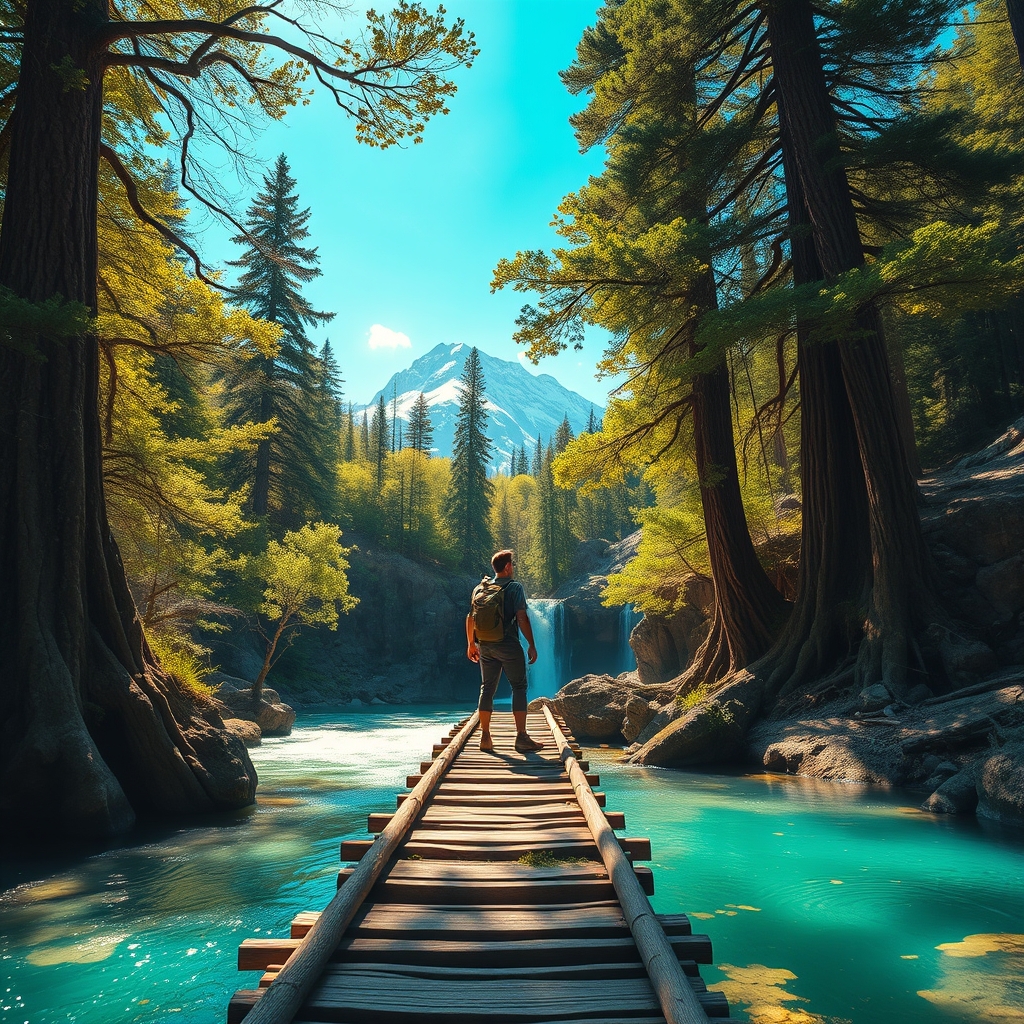
In a world dominated by screens, notifications, and the relentless hum of urban life, the call of the wild has never been more compelling. The concept of a digital detox is gaining traction as people seek refuge in the untamed beauty of nature. Whether it’s the towering redwoods of California, the serene fjords of Norway, or the vast savannas of Africa, wilderness escapes offer more than just a change of scenery—they provide a profound opportunity to restore the mind, body, and soul.
The Rise of Eco-Tourism and Sustainable Travel
The modern traveler is increasingly conscious of their environmental footprint. Eco-tourism and sustainable travel are no longer niche trends but essential practices for preserving the planet’s most precious landscapes. National parks, protected reserves, and off-grid stays are leading the charge, offering experiences that prioritize conservation, community engagement, and low-impact exploration. By choosing destinations that align with these values, travelers can enjoy the wonders of the natural world while ensuring they remain intact for future generations.
For instance, Costa Rica has become a beacon of eco-tourism, with over 25% of its land designated as protected areas. Visitors can explore cloud forests, witness sea turtle nesting sites, and stay in eco-lodges powered by renewable energy. Similarly, Bhutan’s commitment to carbon-negative tourism demonstrates how travel can be a force for good, blending adventure with environmental stewardship.
Off-Grid Stays: Unplugging to Recharge
The allure of off-grid stays lies in their promise of solitude and simplicity. Imagine waking up to the sound of a rushing river, spending your days hiking through untouched forests, and falling asleep under a canopy of stars—far from the distractions of modern life. These retreats, often nestled in remote wilderness areas, provide the perfect setting for a digital detox, allowing travelers to disconnect from technology and reconnect with themselves and the natural world.
From yurts in Mongolia to treehouses in the Amazon, off-grid accommodations come in many forms, each offering a unique way to experience the wild. In New Zealand, for example, the Great Walks network includes backcountry huts where hikers can immerse themselves in the country’s breathtaking landscapes without the need for Wi-Fi or electricity. These stays are not just about escaping the hustle and bustle; they’re about rediscovering the rhythm of nature and the joy of being present in the moment.
The Physical and Mental Benefits of Outdoor Restoration
The restorative power of nature is well-documented. Studies have shown that spending time outdoors can reduce stress, lower blood pressure, and improve overall mental well-being. Outdoor restoration is not just a luxury; it’s a necessity in today’s fast-paced world. Whether it’s a leisurely stroll along a coastal walking path or an adrenaline-fueled mountain trek, the physical activity combined with the beauty of the natural environment creates a potent elixir for health.
In Japan, the practice of shinrin-yoku, or forest bathing, has gained international recognition for its therapeutic benefits. This mindful immersion in the forest environment has been shown to boost immune function, reduce anxiety, and enhance mood. Similarly, the Appalachian Trail in the United States offers hikers a chance to disconnect from the digital world and reconnect with the simplicity of life on the trail. The sense of accomplishment that comes from completing a long-distance hike is unparalleled, fostering resilience and a deeper appreciation for the natural world.
Adventure Travel: Pushing Boundaries in the Wild
For those seeking a thrill, adventure travel offers endless possibilities. From white-water rafting on scenic rivers to wildlife safaris in the heart of Africa, these experiences push the boundaries of what’s possible while fostering a deep respect for the environment. Adventure travel is not just about the adrenaline rush; it’s about forging a connection with the wild and gaining a new perspective on the world.
In Patagonia, travelers can embark on multi-day treks through some of the most remote and stunning landscapes on Earth. The Torres del Paine Circuit in Chile, for example, takes hikers through glaciers, turquoise lakes, and rugged mountain peaks, offering a true wilderness escape. Meanwhile, in Iceland, geothermal bathing in the Blue Lagoon or exploring volcanic landscapes provides a unique blend of relaxation and adventure, showcasing the raw power and beauty of the natural world.
Slow Travel: Savoring the Journey
In a culture that often equates travel with ticking off bucket-list destinations, slow travel offers a refreshing alternative. This approach encourages travelers to linger in one place, immersing themselves in the local culture, cuisine, and natural surroundings. Whether it’s spending a week in a remote village, learning traditional crafts, or simply sitting by a river and watching the world go by, slow travel is about savoring the journey rather than rushing through it.
For example, the Camino de Santiago in Spain is a pilgrimage route that has been walked for centuries. Travelers who embark on this journey often find that the act of walking itself becomes a meditative experience, allowing them to reflect on their lives and connect with fellow pilgrims. Similarly, the Great Ocean Walk in Australia offers a chance to explore the stunning coastline at a leisurely pace, with plenty of time to appreciate the wildlife, rock formations, and ocean views.
Wildlife Tourism: Encounters with the Natural World
One of the most magical aspects of wilderness escapes is the opportunity to encounter wildlife in its natural habitat. Wildlife tourism can be a transformative experience, fostering a deeper understanding of the delicate balance of ecosystems and the importance of conservation. Whether it’s watching gorillas in Rwanda, spotting whales in Alaska, or observing penguins in Antarctica, these encounters leave a lasting impression and inspire a commitment to protecting the planet’s biodiversity.
However, it’s crucial to approach wildlife tourism responsibly. Ethical operators prioritize the well-being of animals and their habitats, ensuring that interactions are non-intrusive and respectful. For example, in Kenya, safari tours that follow strict guidelines help protect endangered species like elephants and rhinos while providing travelers with unforgettable experiences. By choosing responsible wildlife tourism, travelers can contribute to conservation efforts and support local communities.
The allure of the wild is timeless, a reminder that beneath the layers of modern life, we are still deeply connected to the earth. Whether it’s the quiet rustle of leaves in a forest, the crash of waves on a distant shore, or the sight of a shooting star streaking across the night sky, nature has a way of grounding us, reminding us of what truly matters. In a world that often feels overwhelming, these moments of connection are not just escapes—they are essential acts of restoration, offering a path back to ourselves and the world we share.


