
The Rise of Slow Travel: How Eco-Conscious Explorers Are Redefining Adventure
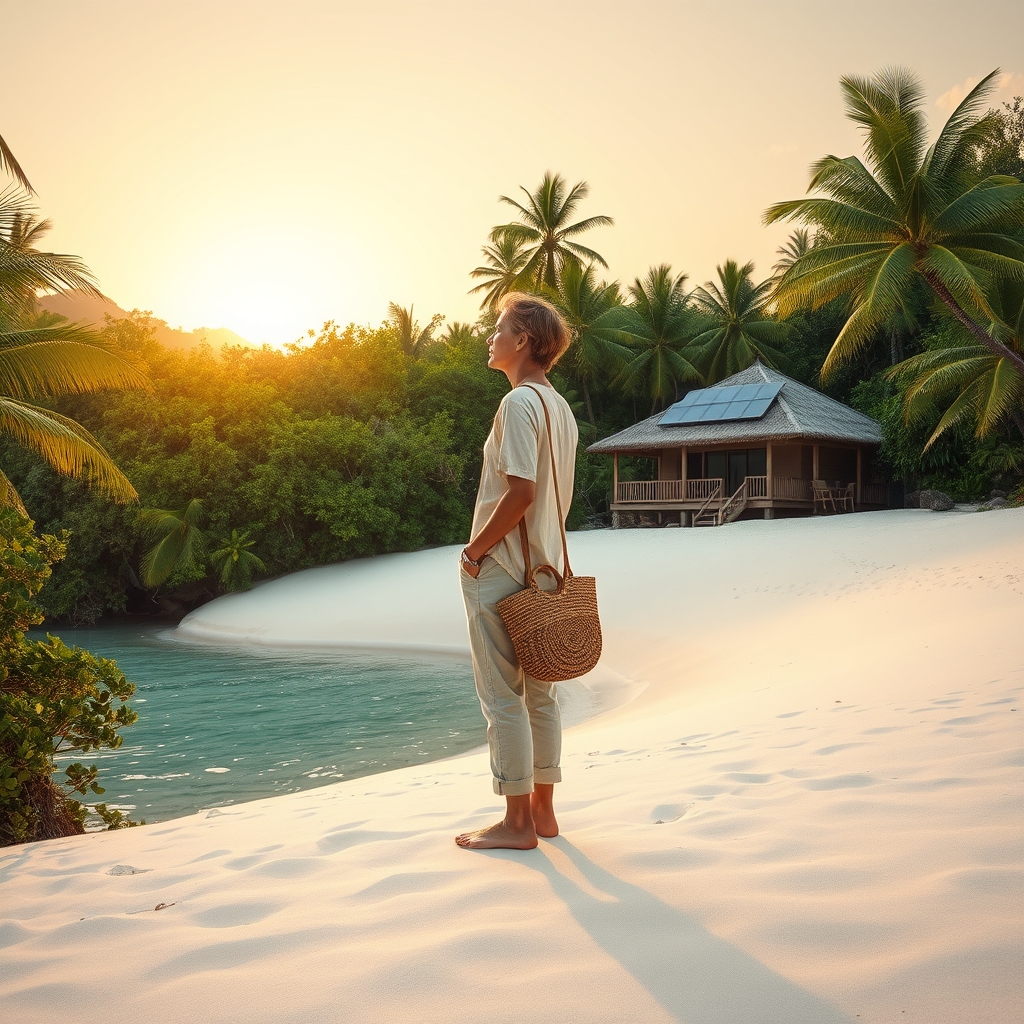
In a world where fast-paced living has become the norm, a quiet revolution is taking place among travelers. The concept of slow travel is gaining momentum, offering a refreshing alternative to the whirlwind tours and checklist-style vacations that once dominated the industry. This movement isn’t just about slowing down—it’s about deepening connections, minimizing environmental impact, and rediscovering the joy of exploration at a more meaningful pace.
The Philosophy Behind Slow Travel
Slow travel is rooted in the idea of immersing oneself in a destination rather than rushing through it. Unlike traditional tourism, which often prioritizes ticking off landmarks, slow travel encourages visitors to engage with local cultures, support small businesses, and savor the journey as much as the destination. It’s a mindset that aligns perfectly with the growing demand for sustainable travel and eco tourism, where the focus shifts from consumption to conservation.
At its core, slow travel is about quality over quantity. Instead of cramming multiple cities into a week-long trip, travelers might spend an entire month in a single region, renting a luxury villa or staying at an eco resort that blends seamlessly with its surroundings. This approach not only reduces the carbon footprint associated with frequent flights but also allows for a richer, more authentic experience.
Why Eco-Conscious Travelers Are Embracing the Trend
The environmental benefits of slow travel are undeniable. By spending more time in one place, travelers can opt for greener transportation methods like trains, bicycles, or even walking—especially in destinations where cozy cardio or a walking pad can turn a simple stroll into a wellness ritual. Additionally, slow travel often involves staying in accommodations that prioritize sustainability, such as off-grid lodges powered by renewable energy or eco resorts that use locally sourced materials and zero-waste practices.
Beyond the environmental perks, slow travel also fosters a deeper connection to the places visited. When travelers take the time to learn a few phrases in the local language, dine at family-owned restaurants, or participate in community-led tours, they contribute to the local economy in a way that mass tourism rarely does. This form of cultural tourism not only enriches the traveler’s experience but also helps preserve traditions and heritage that might otherwise be overshadowed by commercialization.
From Digital Nomads to Solo Adventurers: Who’s Leading the Charge?
The slow travel movement isn’t limited to a single demographic. Digital nomads, for instance, are among its most enthusiastic adopters. With the freedom to work remotely, many are choosing to base themselves in one location for extended periods, trading the hustle of city life for the tranquility of tropical escapes or the charm of lesser-known destinations. This shift has given rise to a new kind of traveler—one who values stability, community, and work-life balance over constant movement.
Similarly, solo travelers are finding that slow travel offers a safer, more fulfilling way to explore the world. Without the pressure to keep up with a group, solo adventurers can tailor their itineraries to their interests, whether that means spending a week volunteering at a wildlife sanctuary or simply enjoying the solitude of hidden beaches and secret islands. The slower pace also provides ample time for self-reflection, making it an ideal choice for those seeking personal growth alongside adventure.
The Role of Bleisure and Wellness in Slow Travel
The blending of business and leisure—known as bleisure travel—has also played a role in popularizing slow travel. Professionals who extend their work trips to include personal exploration often find that the slower pace enhances their productivity and well-being. Instead of rushing from meetings to tourist traps, they can integrate wellness tourism into their routines, whether through yoga retreats, spa treatments, or simply unplugging in nature.
For those who crave adventure without the rush, slow travel offers the perfect balance. Activities like island hopping in the Philippines or exploring the fjords of Norway by kayak become even more rewarding when there’s no need to adhere to a rigid schedule. The emphasis is on savoring each moment, whether that means watching the sunset from a private island or hiking through a remote village where time seems to stand still.
Destination Dupes and the Future of Slow Travel
As overtourism continues to strain popular destinations, many travelers are turning to destination dupes—lesser-known alternatives that offer similar experiences without the crowds. For example, instead of flocking to Bali, eco-conscious explorers might opt for the pristine beaches of Lombok or the lush jungles of Sumatra. These hidden gems not only provide a more intimate travel experience but also help distribute tourism revenue more evenly, benefiting communities that might otherwise be overlooked.
The future of slow travel looks bright, with more travelers prioritizing sustainability, authenticity, and well-being. As the world reopens and people seek deeper connections—both with the planet and with each other—the appeal of slow travel is only set to grow. It’s a reminder that the best adventures aren’t measured in miles or landmarks, but in the moments that leave a lasting impression on the heart and soul.
Perhaps the most beautiful aspect of slow travel is its ability to transform not just the way we see the world, but how we live in it. By choosing to travel thoughtfully, we’re not just exploring new places—we’re redefining what it means to be a global citizen, one unhurried step at a time.


