
The Digital Nomad’s Guide to Island Hopping: Balancing Work, Wellness, and Adventure in Paradise
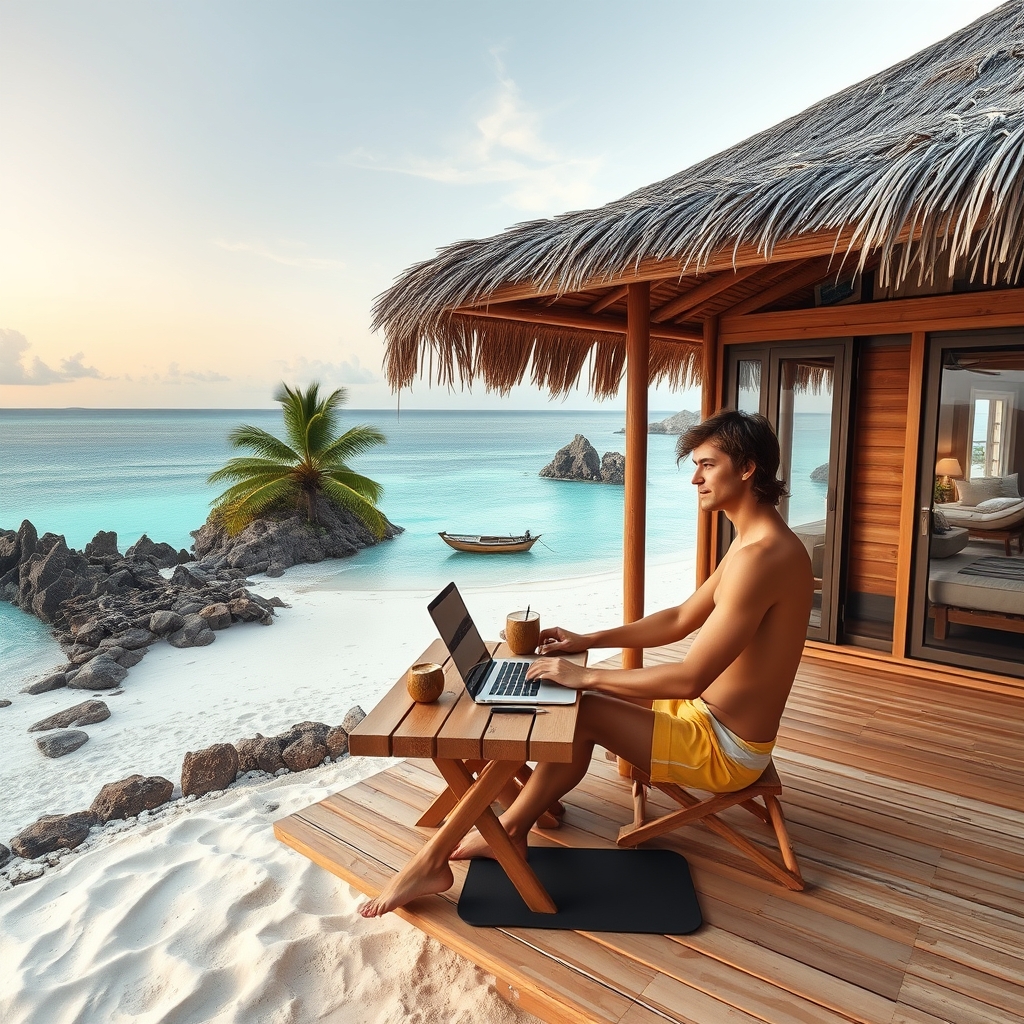
Island hopping has long been synonymous with carefree vacations, turquoise waters, and endless sunshine. But for the growing tribe of digital nomads, it’s evolving into something far more dynamic—a way to blend remote work, wellness, and adventure without sacrificing productivity or sustainability. The rise of eco-resorts, private villas with high-speed internet, and communities of like-minded travelers has transformed island hopping from a fleeting escape into a lifestyle. The question is no longer *where* to go, but *how* to make the most of these tropical havens while leaving a light footprint.
The New Rules of Island Hopping for Remote Workers
Gone are the days when island hopping meant cramming sightseeing into a tight vacation schedule. Today’s digital nomads are redefining the experience by prioritizing slow travel, which allows them to immerse themselves in local cultures, explore hidden beaches, and maintain a work-life balance that doesn’t feel like a compromise. The key? Choosing destinations that offer reliable infrastructure for remote work without sacrificing the allure of adventure.
Southeast Asia remains a hotspot for this lifestyle, with Thailand’s Koh Lanta and Indonesia’s Gili Islands offering a mix of coworking spaces, wellness retreats, and affordable luxury. Meanwhile, Europe’s Canary Islands and Portugal’s Azores are gaining traction for their year-round mild climates and strong digital nomad visas. These locations prove that island hopping isn’t just for backpackers or honeymooners—it’s for anyone who wants to trade the office for a hammock, at least part-time.
Why Eco-Resorts Are the Ultimate Base Camp
For digital nomads who care about sustainability, eco-resorts are the perfect home away from home. These properties go beyond the typical “green” marketing gimmicks, offering solar-powered energy, zero-waste policies, and locally sourced meals. More importantly, they provide the amenities remote workers need: fast Wi-Fi, quiet workspaces, and wellness programs that help combat screen fatigue.
Take Costa Rica’s Nayara Tented Camp, for example. Nestled in the rainforest, it offers luxury safari tents with private plunge pools and yoga decks, all while operating on renewable energy. Or consider the Six Senses Laamu in the Maldives, where guests can work from overwater villas and participate in marine conservation efforts. These resorts prove that sustainability and indulgence aren’t mutually exclusive—they’re two sides of the same coin.
Bleisure Travel: Where Productivity Meets Paradise
The concept of bleisure—blending business and leisure—has taken on new meaning in the era of remote work. For digital nomads, island hopping isn’t just about taking a break; it’s about creating a rhythm where work and exploration coexist. The trick is to structure your days so that productivity doesn’t come at the expense of adventure (or vice versa).
Start by designating “focus hours” in the morning, when your energy is highest, and save afternoons for snorkeling, hiking, or simply lounging on a secret beach. Many digital nomads swear by the Pomodoro Technique, working in 25-minute bursts followed by short breaks to stretch or take a dip in the ocean. Others opt for “walking pad” setups in their villas, turning treadmill workouts into a way to stay active while answering emails. The goal isn’t to maximize every minute but to create a flow where work feels like part of the adventure, not an interruption.
Hidden Beaches and Secret Islands: The Nomad’s Best-Kept Secrets
While Bali and Phuket remain popular, savvy digital nomads are seeking out lesser-known destinations to avoid crowds and over-tourism. The Philippines’ Siargao, for instance, is a surfer’s paradise with a thriving digital nomad scene, thanks to its laid-back vibe and affordable cost of living. Similarly, Colombia’s Providencia—a tiny island in the Caribbean—offers pristine beaches, crystal-clear waters, and a slow pace of life that’s perfect for those looking to unplug (or at least disconnect for a few hours a day).
These hidden gems often come with another perk: a stronger connection to local culture. Unlike tourist-heavy destinations, secret islands allow travelers to engage with communities in meaningful ways, whether through homestays, volunteering, or simply supporting small businesses. It’s a reminder that the best travel experiences aren’t just about the places you visit but the people you meet along the way.
Wellness Tourism: More Than Just a Trend
For digital nomads, wellness isn’t just a buzzword—it’s a necessity. The constant juggle between work and travel can take a toll on both physical and mental health, which is why many are turning to wellness tourism as a way to recharge. Island hopping offers the perfect backdrop for this, with destinations that specialize in everything from silent meditation retreats to adrenaline-pumping adventures.
In Bali, Fivelements Retreat combines plant-based cuisine, holistic healing, and sacred arts to create a transformative experience. Meanwhile, in Greece’s Milos Island, travelers can indulge in thermal baths and yoga sessions with views of the Aegean Sea. The beauty of wellness tourism is that it doesn’t have to be all-or-nothing. Even small rituals—like starting the day with a sunrise swim or ending it with a sound bath—can make a world of difference in how you feel.
The Future of Island Hopping: Slow Travel Meets Remote Work
As remote work becomes the norm, the way we approach island hopping is changing. The focus is shifting from ticking off destinations to savoring them, from rushing through experiences to immersing in them. This is the essence of slow travel—a movement that encourages deeper connections with places and people, rather than a checklist mentality.
For digital nomads, this means spending weeks (or even months) in a single location, getting to know the rhythms of the island, and building a routine that balances work and play. It’s about trading the stress of constant movement for the joy of discovery, and the exhaustion of packed itineraries for the fulfillment of meaningful experiences. In the end, island hopping isn’t just about escaping reality—it’s about creating a new one, one where work, wellness, and adventure coexist in perfect harmony.
The allure of tropical escapes will always be strong, but the way we experience them is evolving. For those who embrace this shift, island hopping becomes more than a trip—it becomes a way of life, where every day is an opportunity to explore, create, and thrive, all while leaving the world a little better than they found it.


