
The Art of Slow Travel: Rediscovering Cities Through Urban Exploration and Local Flavors
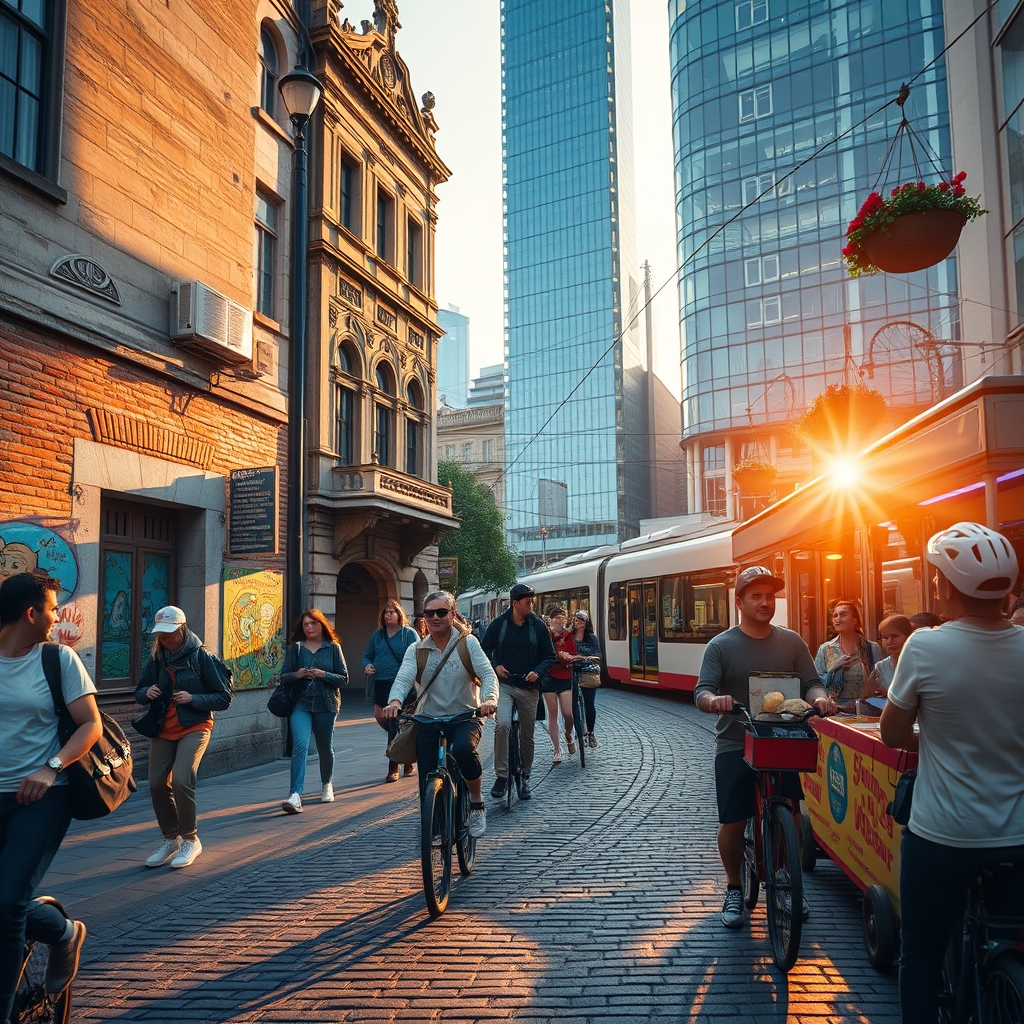
There’s a quiet revolution happening in the way we experience cities. Gone are the days of rushing from one landmark to another, ticking off must-see attractions like items on a shopping list. Instead, a growing number of travelers are embracing the art of slow travel—immersing themselves in the rhythm of urban life, uncovering hidden gems, and savoring the stories that unfold on every corner. This approach isn’t just about seeing a city; it’s about feeling it, tasting it, and letting it leave an indelible mark on your soul.
The Rise of Urban Exploration
Urban exploration, or “urbex,” has evolved from a niche hobby into a mainstream way to engage with cities. It’s not about trespassing or seeking out abandoned buildings (though that’s a subculture of its own), but rather about wandering with intention. Think of it as a form of mindful walking, where the goal is to observe, absorb, and connect. Whether it’s meandering through historic districts, stumbling upon a tucked-away courtyard, or simply people-watching in a bustling square, urban exploration turns the city into a living museum.
One of the most rewarding aspects of this practice is the element of surprise. Cities are dynamic, ever-changing organisms, and even the most seasoned locals can discover something new. A crumbling staircase might lead to a rooftop garden, a nondescript alley could hide a mural by a renowned street artist, or a side street might reveal a café that’s been serving the same family recipe for generations. The key is to wander without a rigid agenda, allowing curiosity to guide your steps.
Public Transit as Your Compass
Forget the tourist buses and ride-hailing apps—public transit is the unsung hero of urban exploration. Metro systems, trams, and buses don’t just get you from point A to point B; they offer a slice of daily life, a chance to rub shoulders with locals, and a unique perspective on the city’s layout. The Paris Métro, for instance, isn’t just a way to reach the Eiffel Tower; it’s a labyrinth of art deco stations, each with its own character. In Tokyo, the Yamanote Line is a loop of discovery, connecting neighborhoods that range from the neon-lit chaos of Shibuya to the serene temples of Ueno.
Using public transit also forces you to slow down. There’s no zooming past the scenery in a car or the frustration of traffic jams. Instead, you’re forced to observe the city at its own pace. Watch as the architecture shifts from glass-and-steel skyscrapers to low-slung brick buildings, or as the language on the signs changes from one neighborhood to the next. It’s a reminder that cities are patchworks of communities, each with its own identity.
The Flavors of the City
No exploration of a city is complete without diving into its culinary scene. Food is the universal language of culture, and nowhere is this more evident than in the vibrant chaos of street food stalls, night markets, and local eateries. These places aren’t just about sustenance; they’re about storytelling. The vendor who’s been frying the same batch of dumplings for 30 years, the family-run bakery that’s perfected a generations-old recipe, or the pop-up stall serving a dish that’s unique to a single neighborhood—each bite is a connection to the city’s history and people.
Local food tours have become a popular way to navigate this culinary landscape, but you don’t need a guide to eat like a local. Start with the basics: follow the crowds. If a stall or restaurant is packed with locals, it’s a good sign. Don’t be afraid to point, gesture, or use translation apps to order—half the fun is the adventure of trying something new. In Bangkok, it might be a bowl of boat noodles slurped on a plastic stool by the canal. In Mexico City, it could be a taco al pastor from a street cart, the meat shaved from a spinning spit. These experiences are often the ones that linger in your memory long after the trip ends.
Micro-Mobility and the Joy of Getting Lost
For those who want to cover more ground without sacrificing the intimacy of slow travel, micro-mobility options like e-scooters, bicycles, and even electric skateboards are game-changers. These modes of transport allow you to zip through the city while still being able to stop on a whim. Rent a bike in Amsterdam and pedal along the canals, or hop on an e-scooter in Barcelona to weave through the Gothic Quarter’s narrow streets. The wind in your hair and the freedom to explore at your own pace make these options ideal for urban adventurers.
Getting lost is part of the fun. There’s a certain thrill in realizing you’ve strayed from the well-trodden path and finding yourself in a neighborhood that feels like a secret. Maybe it’s a quiet plaza lined with orange trees, a bookstore tucked into a 17th-century building, or a hidden speakeasy behind an unmarked door. These are the moments that transform a trip from ordinary to extraordinary.
The Digital Nomad’s Urban Playground
The rise of remote work has given birth to a new breed of traveler: the digital nomad. These location-independent professionals are redefining what it means to explore a city. For them, a city isn’t just a destination; it’s a temporary home, a workspace, and a playground all in one. Boutique hotels with co-working spaces, cafés with reliable Wi-Fi, and neighborhoods with a thriving expat community have become their stomping grounds. Cities like Lisbon, Chiang Mai, and Medellín have emerged as hotspots, offering a mix of affordability, culture, and connectivity.
But being a digital nomad isn’t just about finding the best coffee shop to work from. It’s about integrating into the local fabric. Joining a language exchange, taking a cooking class, or volunteering with a community organization can turn a short-term stay into a meaningful experience. It’s a reminder that travel isn’t just about consumption—it’s about contribution, too.
Urban Greenery and the Need for Nature
Amid the concrete and steel, cities are increasingly carving out spaces for nature. Urban greenery isn’t just about aesthetics; it’s a vital component of well-being. Parks, rooftop gardens, and even vertical forests are transforming the way we interact with urban environments. In Singapore, the Gardens by the Bay offer a futuristic take on nature, while New York’s High Line repurposes an old railway into a lush elevated park. These spaces provide a respite from the hustle and bustle, a place to recharge and reconnect with the natural world.
But you don’t need a grand park to find greenery in a city. Sometimes, it’s the small touches that make a difference—a potted plant on a windowsill, a community garden in a vacant lot, or a tree-lined street that offers shade on a hot day. These pockets of nature are reminders that cities are ecosystems, too, and that balance is possible even in the most urban of environments.
At its core, slow travel is about rejecting the notion that more is better. It’s about savoring the journey as much as the destination, about finding beauty in the mundane, and about letting the city reveal itself to you, one step at a time. Whether you’re a weekend city breaker, a digital nomad, or a curious local, the art of urban exploration invites you to see the world with fresh eyes—and to leave with a heart full of stories waiting to be told.


