
The Silent Revolution: How Cozy Cardio and Walking Pads Are Shaping Sustainable Solo Travel
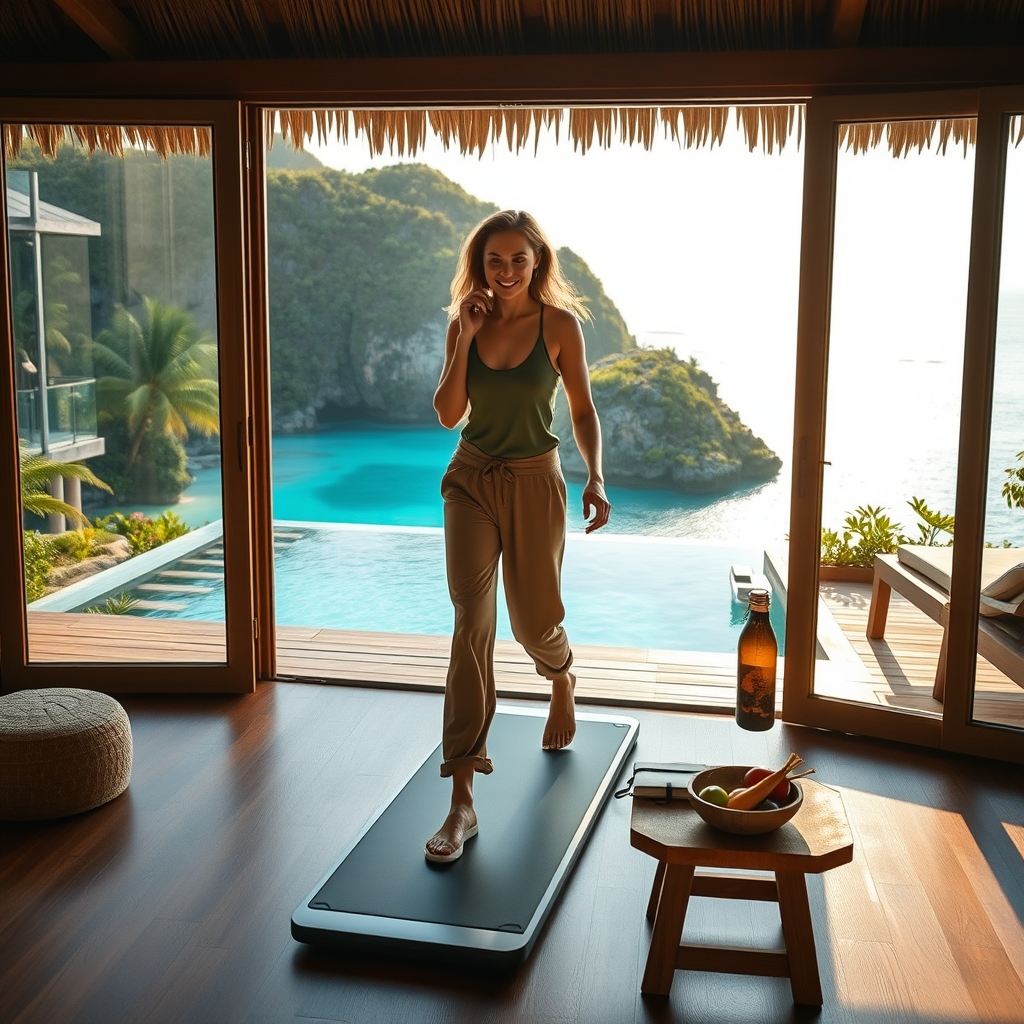
Solo travel has long been celebrated for its ability to foster independence, self-discovery, and a deeper connection with the world. But as the lines between work, wellness, and wanderlust continue to blur, a quieter revolution is unfolding—one that marries the simplicity of movement with the mindfulness of sustainable travel. At the heart of this shift? Cozy cardio and walking pads, two unassuming yet transformative tools that are redefining how solo travelers explore, recharge, and leave a lighter footprint on the planet.
The Unlikely Marriage of Movement and Mindfulness
For decades, fitness and travel have been treated as separate entities—one confined to the gym, the other to the open road. But as wellness tourism evolves, travelers are seeking ways to integrate health into their journeys without sacrificing the essence of exploration. Enter cozy cardio: a low-impact, high-reward approach to movement that prioritizes consistency over intensity, comfort over exertion. Unlike traditional workouts that demand space, equipment, or energy, cozy cardio thrives in small corners of hotel rooms, eco-resorts, or even the deck of a private villa.
Walking pads, the unsung heroes of this movement, have become the perfect companions for solo travelers. Compact, quiet, and adaptable, they allow for gentle exercise while working, reading, or even sipping coffee with an ocean view. The beauty of this setup lies in its subtlety—it doesn’t disrupt the rhythm of travel but enhances it, turning idle moments into opportunities for mindful movement. For those who prioritize slow travel, this is a game-changer. No longer do you have to choose between staying active and soaking in the serenity of a hidden beach or the cultural richness of a remote village. You can do both, seamlessly.
Why Solo Travelers Are Embracing the Trend
The rise of cozy cardio and walking pads among solo travelers isn’t just about fitness—it’s about reclaiming agency over one’s well-being in an increasingly fast-paced world. Solo travel, by its very nature, demands self-reliance, but it can also be isolating. The structured routine of a walking pad or a cozy cardio session provides a sense of grounding, a daily ritual that anchors the traveler amidst the unpredictability of the road. It’s a small act of self-care that doesn’t require a gym membership, a personal trainer, or even a fixed schedule.
Moreover, this trend aligns perfectly with the principles of sustainable travel. Traditional fitness routines often rely on energy-intensive facilities—air-conditioned gyms, heated pools, or sprawling sports complexes. In contrast, cozy cardio and walking pads require minimal resources. They don’t demand electricity beyond what’s already used in a hotel room or villa, and they produce no waste. For eco-conscious travelers, this is a win-win: a way to stay active while minimizing their environmental impact. It’s a testament to how small, intentional choices can ripple outward, creating a more sustainable travel ecosystem.
The Role of Eco-Resorts and Luxury Villas
Forward-thinking accommodations are taking note of this shift. Eco-resorts and luxury villas, particularly those catering to digital nomads and wellness-focused travelers, are increasingly incorporating walking pads and cozy cardio spaces into their designs. Some properties go a step further, offering guided virtual classes or curated playlists to enhance the experience. Imagine starting your day with a sunrise walk on a treadmill overlooking a tropical lagoon, or unwinding with a gentle yoga flow in your private villa after a day of island hopping. These moments aren’t just about exercise—they’re about creating a holistic travel experience that nurtures the body, mind, and soul.
In destinations like Bali, Costa Rica, or the Maldives, where wellness tourism is booming, resorts are blending these modern amenities with traditional healing practices. A morning walk on a treadmill might be followed by a sound bath session or a farm-to-table meal sourced from the resort’s organic garden. This fusion of old and new is what makes the trend so compelling. It’s not about replacing the authentic experiences that draw travelers to these places—it’s about enhancing them in a way that feels organic and meaningful.
The Future of Mindful Movement in Travel
As remote work continues to liberate professionals from the confines of a traditional office, the boundaries of travel are expanding. No longer is a trip defined solely by its destination; it’s also shaped by the routines and rituals that sustain us along the way. Cozy cardio and walking pads are just the beginning. The next frontier might include AI-powered wellness coaches that adapt to your travel schedule, or eco-resorts that generate their own energy to power treadmills and yoga studios. The possibilities are as vast as the destinations themselves.
What’s clear is that the future of travel isn’t about choosing between adventure and wellness, or sustainability and luxury. It’s about finding harmony between them. For solo travelers, this means embracing tools and practices that allow them to explore the world without leaving their well-being—or their values—behind. Whether it’s a quiet walk on a treadmill in a bamboo villa or a cozy cardio session under the stars, the journey is no longer just about the places you go. It’s about how you move through them, one mindful step at a time.
The world is vast, but the moments that define our travels are often small. A deep breath of salty air, the warmth of the sun on your skin, the quiet hum of a walking pad beneath your feet. These are the details that turn a trip into a transformative experience. And in a time when the planet needs us to travel thoughtfully, they remind us that the most sustainable journeys are the ones that nourish both the traveler and the world they explore.


