
From Desk to Paradise: How Walking Pads and Wellness Tourism Are Shaping the Future of Sustainable Travel
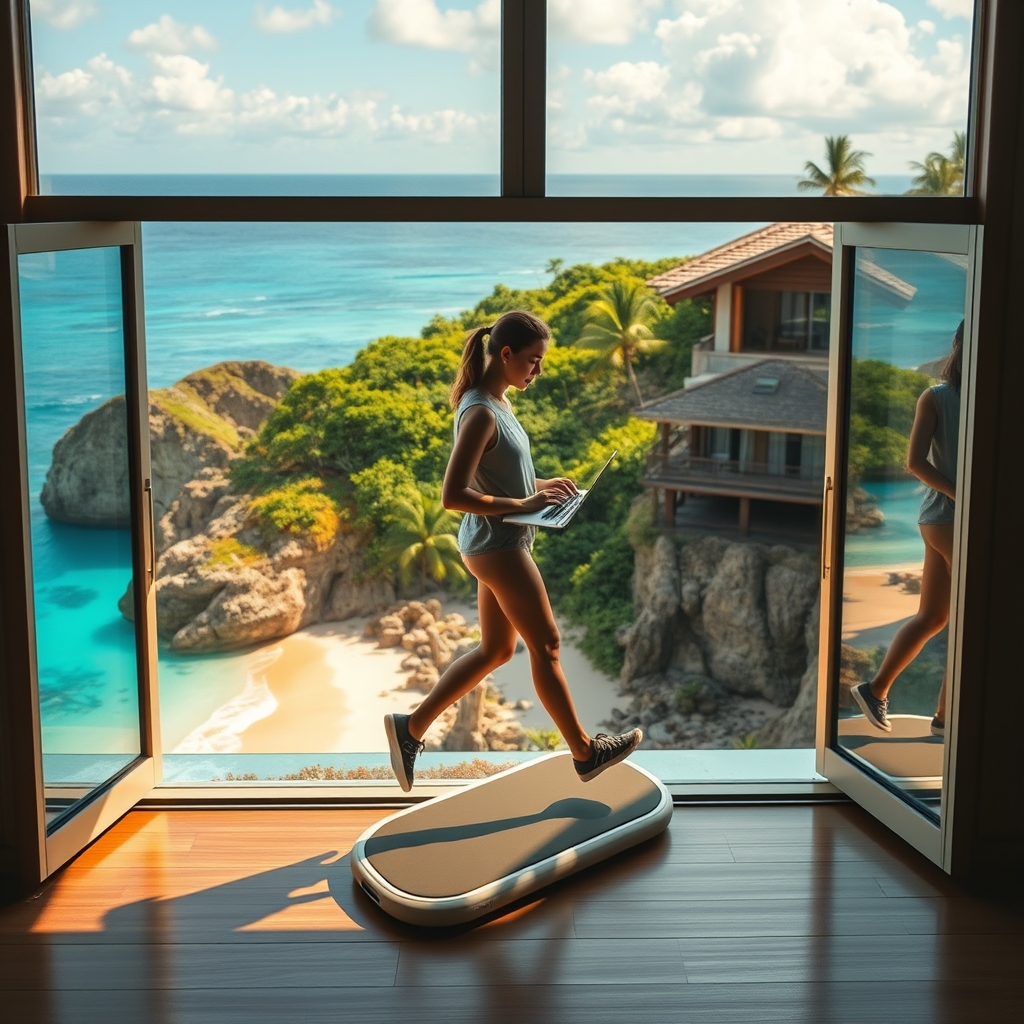
In an era where remote work blurs the lines between professional obligations and personal freedom, a new wave of travelers is redefining what it means to explore the world. No longer confined to the four walls of a home office or the sterile environment of a coworking space, digital nomads and wellness seekers are venturing into uncharted territories—both geographically and mentally. The rise of sustainable travel and wellness tourism has given birth to a movement where health, productivity, and environmental consciousness intersect, creating experiences that nourish the body, mind, and planet.
The Wellness Revolution: More Than Just a Trend
Wellness tourism is no longer synonymous with spa retreats and yoga retreats alone. Today, it encompasses a holistic approach to travel, where every aspect of the journey—from the mode of transportation to the choice of accommodation—is designed to enhance well-being. Eco resorts and sustainable lodges are leading the charge, offering travelers the opportunity to disconnect from the chaos of modern life while minimizing their environmental impact. These spaces are not just places to stay; they are sanctuaries that prioritize mental clarity, physical health, and ecological responsibility.
For solo travelers, wellness tourism provides a unique opportunity to embark on a journey of self-discovery. The solitude of a hidden beach or the tranquility of a remote island becomes a canvas for introspection, allowing individuals to reconnect with themselves away from the noise of daily life. Whether it’s practicing cozy cardio on a secluded shore or meditating in a forest villa, the focus shifts from external validation to internal fulfillment.
The Walking Pad Phenomenon: Bringing Movement to Remote Work
One of the most unexpected yet transformative tools in the modern traveler’s arsenal is the walking pad. Once relegated to home offices, these compact treadmills are now making their way into luxury villas, eco resorts, and even private island rentals. The concept is simple: why sit when you can walk? For digital nomads, the walking pad offers a way to stay active while meeting deadlines, turning sedentary workdays into opportunities for movement and vitality.
The integration of walking pads into travel routines aligns perfectly with the principles of slow travel. Instead of rushing from one destination to another, travelers are encouraged to linger, to savor the moment, and to prioritize their health. A morning spent working while walking on a treadmill overlooking the ocean, followed by an afternoon of island hopping or cultural exploration, creates a rhythm that is both productive and rejuvenating. It’s a far cry from the traditional 9-to-5 grind, where movement is often an afterthought.
Eco Resorts: Where Luxury Meets Sustainability
The demand for sustainable travel has given rise to a new breed of eco resorts that blend luxury with environmental stewardship. These properties are designed to leave the smallest possible footprint, utilizing renewable energy sources, water conservation systems, and locally sourced materials. But sustainability doesn’t come at the expense of comfort. Many eco resorts offer private villas with plunge pools, organic farm-to-table dining, and wellness programs that cater to every whim.
For those seeking tropical escapes that don’t compromise on ethics, destinations like Costa Rica, Bali, and the Seychelles are leading the way. These locations offer a mix of adventure travel and relaxation, where guests can hike through lush rainforests, snorkel in crystal-clear waters, or simply unwind in a hammock with a good book. The emphasis on sustainability ensures that these paradises remain pristine for future generations, making every visit a guilt-free indulgence.
Cultural Tourism: Beyond the Surface
While wellness and sustainability are at the forefront of modern travel, cultural tourism remains a cornerstone of meaningful exploration. The shift toward destination dupes—lesser-known alternatives to overcrowded hotspots—has allowed travelers to immerse themselves in authentic experiences without contributing to overtourism. Instead of flocking to the same well-trodden paths, adventurers are seeking out hidden villages, local festivals, and off-the-beaten-track landmarks that offer a deeper connection to the places they visit.
This approach to cultural tourism is particularly appealing to solo travelers and digital nomads, who often have the flexibility to spend extended periods in one location. By engaging with local communities, learning traditional crafts, or participating in conservation efforts, travelers gain a richer understanding of the world and their place in it. It’s a far cry from the superficial sightseeing of the past, where the goal was to check off landmarks rather than truly experience them.
The Future of Travel: A Harmonious Blend of Work, Wellness, and Wanderlust
The convergence of remote work, wellness tourism, and sustainable travel is not just a passing trend—it’s a fundamental shift in how we perceive and engage with the world. The traditional boundaries between work and leisure, movement and stillness, luxury and responsibility are dissolving, giving way to a more integrated and mindful way of living. Whether it’s through the rhythmic steps of a walking pad, the serene beauty of an eco resort, or the profound connections forged through cultural tourism, the future of travel is about balance.
As more people embrace this holistic approach, the definition of a dream vacation will continue to evolve. No longer will it be about escaping reality but about creating a reality that aligns with one’s values and aspirations. The world is vast, and the possibilities are endless—it’s time to explore it in a way that nourishes the soul, respects the planet, and redefines what it means to truly live.


