
The Future of Wellness Tourism: How Eco Resorts and Slow Travel Are Crafting Mindful Escapes
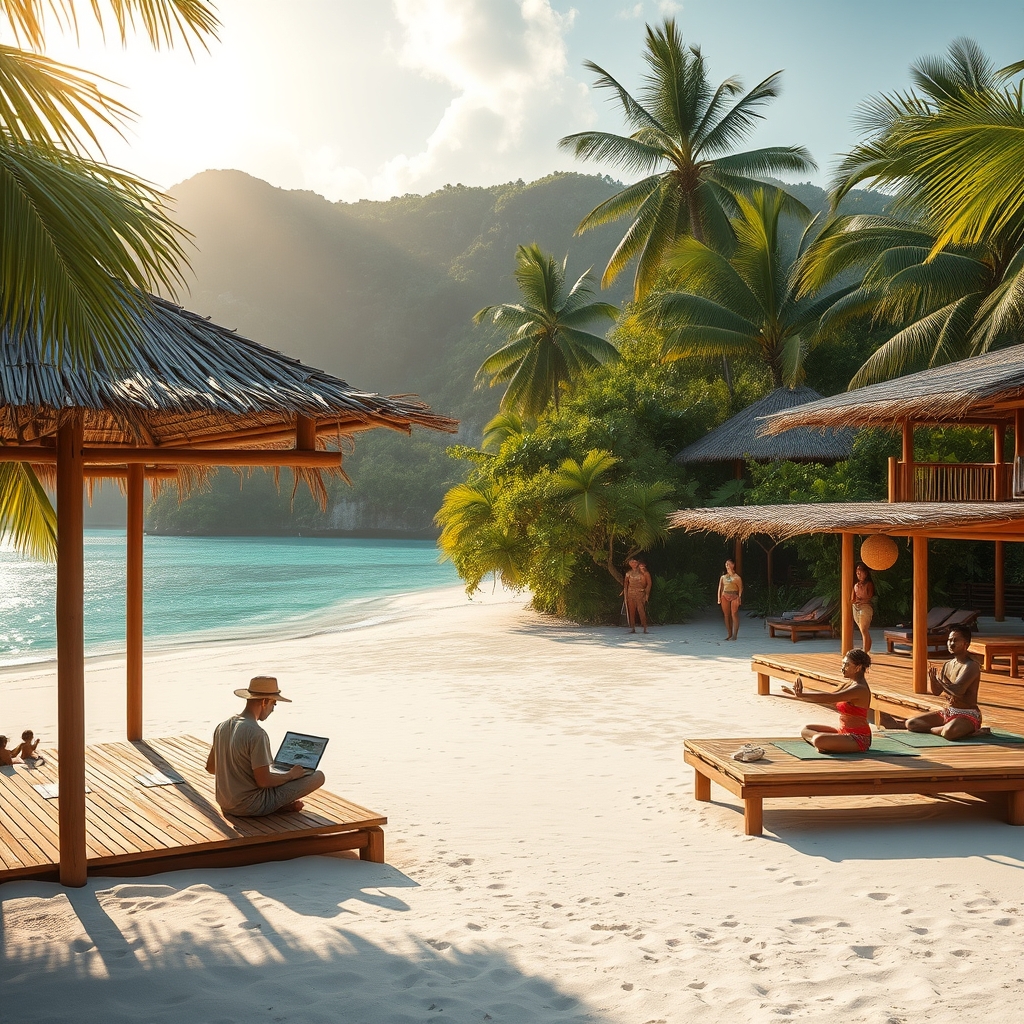
Wellness tourism is no longer just about spa retreats and yoga retreats in bustling cities. Today, it’s evolving into a deeper, more intentional experience that blends sustainability, cultural immersion, and personal well-being. As travelers seek meaningful connections with both themselves and the planet, eco resorts and slow travel are emerging as the cornerstones of this transformative movement. These mindful escapes offer more than relaxation—they provide a chance to reset, recharge, and reconnect with the world in a way that feels authentic and responsible.
The Evolution of Wellness Tourism
Traditional wellness tourism often focused on luxury and indulgence, with little regard for environmental impact or cultural sensitivity. However, modern travelers are increasingly prioritizing experiences that align with their values. Eco resorts, in particular, have stepped up to meet this demand by integrating sustainable practices into every aspect of their operations. From solar-powered energy and zero-waste policies to locally sourced cuisine and conservation initiatives, these resorts are redefining what it means to travel well.
Slow travel, on the other hand, encourages a more deliberate pace. Instead of rushing from one destination to another, travelers are embracing longer stays, deeper cultural exchanges, and a focus on quality over quantity. This approach not only reduces the carbon footprint of travel but also allows for a more enriching experience. Imagine spending a month in a remote village, learning traditional crafts, or volunteering with local conservation projects—these are the kinds of experiences that define the future of wellness tourism.
Why Eco Resorts Are Leading the Way
Eco resorts are at the forefront of this shift, offering a harmonious blend of luxury and sustainability. These properties are often located in pristine natural settings, such as hidden beaches, secret islands, or lush rainforests, where guests can immerse themselves in the beauty of the environment without harming it. Many eco resorts go beyond basic sustainability measures by actively contributing to the preservation of their surroundings. For example, some partner with local communities to protect endangered species, restore coral reefs, or promote regenerative agriculture.
One of the most compelling aspects of eco resorts is their commitment to cultural authenticity. Unlike mass-market resorts that often feel generic and disconnected from their surroundings, eco resorts celebrate local traditions, cuisine, and craftsmanship. Guests might participate in a traditional tea ceremony, learn to cook regional dishes using ingredients grown on-site, or take part in a cultural festival. These experiences foster a deeper appreciation for the destination and create lasting memories.
The Role of Digital Nomads in Wellness Tourism
The rise of remote work has given birth to a new breed of traveler: the digital nomad. These individuals seek destinations that offer not only reliable internet and comfortable workspaces but also opportunities for personal growth and well-being. Eco resorts have become a popular choice for digital nomads, as they provide the perfect balance of productivity and relaxation. Many resorts now offer co-working spaces, wellness programs, and activities like yoga, meditation, and hiking to help guests maintain a healthy work-life balance.
For digital nomads, wellness tourism is about more than just taking a break—it’s about integrating well-being into their daily lives. This might mean starting the day with a sunrise yoga session, taking a midday walk along a hidden beach, or ending the evening with a sound bath meditation. By prioritizing self-care, digital nomads can sustain their energy and creativity, even while working remotely.
Slow Travel: The Antidote to Modern Stress
In a world that moves at breakneck speed, slow travel offers a much-needed antidote to stress and burnout. This approach to travel emphasizes mindfulness, connection, and presence. Instead of ticking off a list of tourist attractions, slow travelers focus on immersing themselves in the local culture, building relationships with residents, and savoring each moment. This could mean spending a week in a single village, learning the language, or simply sitting in a café and observing daily life.
Slow travel also aligns perfectly with the principles of sustainable travel. By spending more time in one place, travelers reduce their carbon footprint and support local economies. They have the opportunity to patronize small businesses, stay in locally owned accommodations, and participate in community-based tourism initiatives. This not only benefits the environment but also enriches the travel experience, making it more meaningful and memorable.
Wellness Activities for the Modern Traveler
Wellness tourism isn’t just about sitting still—it’s about engaging in activities that nourish the body, mind, and soul. For the modern traveler, this might include a mix of traditional and innovative wellness practices. Cozy cardio, for example, has gained popularity as a low-impact way to stay active while traveling. Walking pads, which can be used in hotel rooms or co-working spaces, allow digital nomads to incorporate movement into their daily routines without sacrificing productivity.
Other popular wellness activities include forest bathing, a Japanese practice that involves immersing oneself in nature to reduce stress, and sound healing, which uses vibrations to promote relaxation and mental clarity. Many eco resorts also offer adventure-based wellness experiences, such as guided hikes, kayaking, or snorkeling, which allow guests to connect with nature while staying active. These activities not only enhance physical health but also foster a sense of adventure and exploration.
The Intersection of Cultural Tourism and Wellness
Cultural tourism and wellness tourism are increasingly intertwined, as travelers seek experiences that nourish both the body and the soul. Visiting a sacred temple, participating in a traditional dance, or learning about indigenous healing practices can be deeply transformative. These experiences offer a unique opportunity to gain insight into different ways of life and to reflect on one’s own values and beliefs.
For example, a wellness retreat in Bali might include a visit to a local healer, a cooking class featuring traditional ingredients, and a ceremony to honor the island’s spiritual heritage. Similarly, a trip to Peru could involve a trek to Machu Picchu, followed by a stay at an eco lodge where guests learn about Andean healing traditions. These experiences go beyond typical tourist activities, offering a deeper connection to the destination and its people.
As the world continues to grapple with the challenges of climate change and social inequality, the future of wellness tourism lies in its ability to adapt and evolve. Eco resorts and slow travel are not just trends—they represent a fundamental shift in how we approach travel. By prioritizing sustainability, cultural authenticity, and personal well-being, these mindful escapes offer a blueprint for a more conscious and fulfilling way to explore the world. Whether you’re a digital nomad, a solo traveler, or simply someone seeking a deeper connection to the planet, the future of wellness tourism invites you to slow down, engage fully, and travel with intention.


