
The Rise of Eco-Conscious Bleisure: How Digital Nomads Are Redefining Sustainable Island Escapes
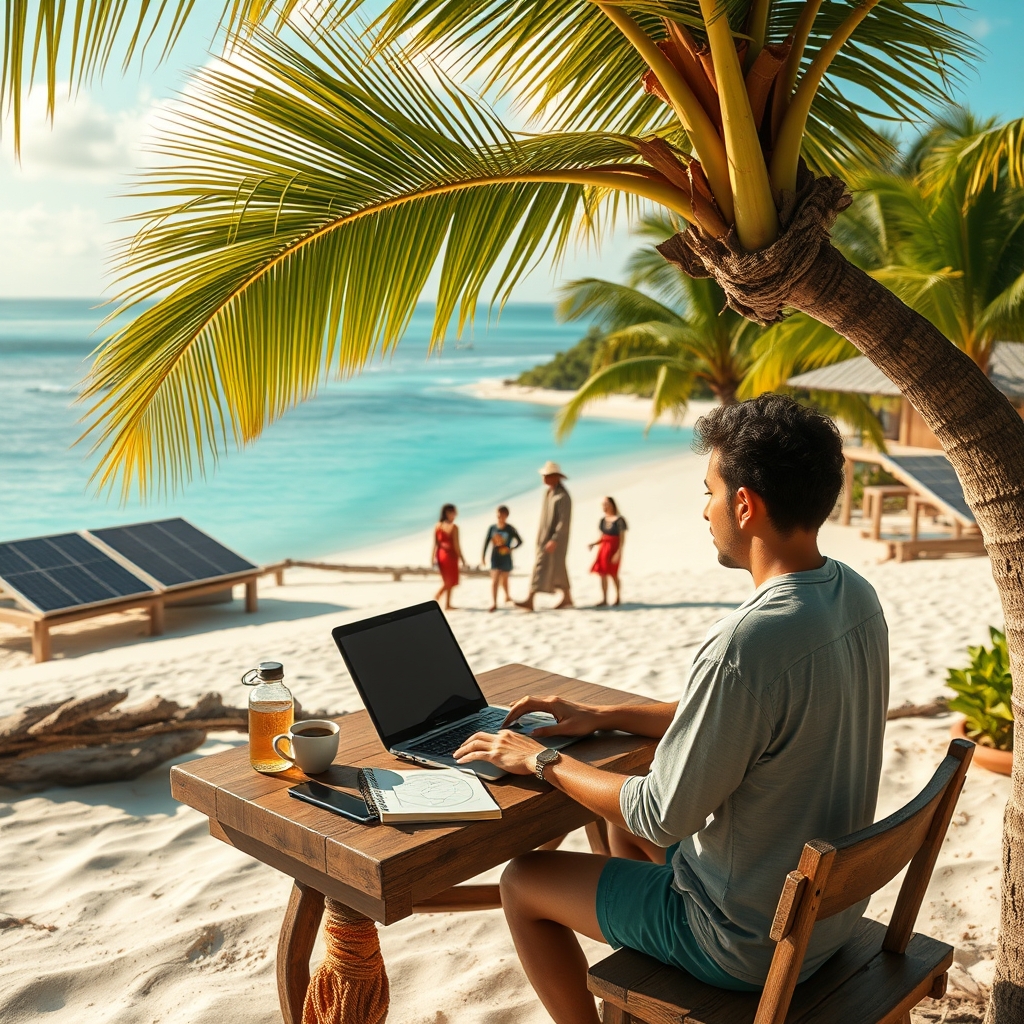
In an era where remote work has dissolved the boundaries between office and adventure, a new wave of travelers is emerging—those who seek not just a change of scenery, but a harmonious blend of productivity, wellness, and sustainability. This phenomenon, known as bleisure travel, has evolved beyond mere trend status to become a lifestyle choice for digital nomads and eco-conscious professionals. At its heart lies a growing desire to explore the world responsibly, particularly in some of its most fragile and breathtaking environments: tropical islands.
The Bleisure Evolution: More Than Just Work and Play
Bleisure travel—short for business and leisure—has traditionally been associated with corporate employees extending work trips for personal exploration. However, the rise of remote work has transformed this concept into something far more dynamic. Today’s digital nomads are not just adding a few days of vacation to a business trip; they are curating entire lifestyles that prioritize flexibility, well-being, and environmental stewardship. Islands, with their serene landscapes and slower pace of life, have become the ultimate canvas for this new way of living.
What sets modern bleisure apart is its intentionality. Travelers are no longer content with generic resorts or crowded tourist hotspots. Instead, they seek out eco resorts and luxury villas that align with their values—places where sustainability is not an afterthought but a cornerstone of the experience. From solar-powered bungalows to zero-waste retreats, these accommodations offer more than just a place to stay; they provide a connection to the environment and local communities.
Sustainable Island Hopping: A New Way to Explore
Island hopping has long been a bucket-list adventure, but the traditional model—jetting from one crowded destination to another—often comes at a cost to the environment. The new wave of sustainable island hopping, however, is rewriting the rules. Digital nomads and eco-conscious travelers are opting for slower, more mindful journeys that minimize their carbon footprint while maximizing cultural immersion.
One of the most exciting developments in this space is the rise of destination dupes—lesser-known islands that offer the same beauty and charm as their more famous counterparts but without the crowds or environmental strain. Think of the pristine beaches of the Andaman Islands instead of the Maldives, or the lush landscapes of São Tomé and Príncipe over Bali. These hidden gems not only provide a more authentic experience but also help distribute tourism revenue to communities that need it most.
Transportation is another area where sustainability is taking center stage. Instead of relying on gas-guzzling speedboats or short-haul flights, travelers are embracing slower, greener options like sailboats, electric ferries, or even kayaks. These choices not only reduce emissions but also allow for a deeper connection to the journey itself—a core tenet of slow travel.
Wellness and Work: The Perfect Pairing
For digital nomads, the line between work and wellness has never been blurrier—in the best possible way. The rise of wellness tourism has transformed island escapes into holistic retreats where productivity and self-care go hand in hand. Eco resorts and luxury villas are increasingly offering amenities designed to support both mental and physical well-being, from open-air co-working spaces with ocean views to on-site yoga and meditation sessions.
One of the most innovative trends in this space is the integration of cozy cardio and walking pads into remote work setups. Instead of being tethered to a desk, digital nomads are taking their meetings on the move, whether it’s a stroll along a secluded beach or a session on a treadmill overlooking a tropical forest. This shift not only boosts physical health but also enhances creativity and focus, proving that the best ideas often come when we step away from the screen.
Cultural Tourism: Beyond the Postcard
Sustainable bleisure travel is not just about the environment; it’s also about the people. Cultural tourism has taken on a new dimension as travelers seek meaningful interactions with local communities. This goes beyond the typical tourist experience—think cooking classes with indigenous chefs, participating in traditional ceremonies, or volunteering with local conservation projects. These experiences not only enrich the traveler’s journey but also ensure that tourism dollars directly benefit the people who call these islands home.
For digital nomads, cultural immersion can also extend to the workplace. Co-working spaces in tropical destinations often double as community hubs, where locals and travelers collaborate on projects, share skills, and foster cross-cultural connections. This blend of work and culture creates a sense of belonging that transcends the temporary nature of travel.
The Future of Bleisure: A Sustainable Blueprint
As the bleisure trend continues to grow, so too does the responsibility of travelers to ensure their adventures leave a positive impact. The good news is that the tools and resources for sustainable travel are more accessible than ever. From carbon offset programs to eco-certified accommodations, digital nomads have a wealth of options to minimize their footprint while maximizing their experience.
Technology is also playing a pivotal role in shaping the future of bleisure. Apps that track carbon emissions, platforms that connect travelers with local guides, and virtual reality experiences that allow for pre-trip exploration are just a few examples of how innovation is making sustainable travel easier and more engaging. These advancements are not just conveniences; they are essential components of a travel ecosystem that prioritizes the planet as much as the journey.
The rise of eco-conscious bleisure is more than just a trend; it’s a movement toward a more mindful and sustainable way of exploring the world. By choosing destinations that value the environment, supporting local communities, and embracing a slower, more intentional pace, digital nomads are proving that work and wanderlust can coexist without compromise. The islands they visit are not just backdrops for their adventures but partners in a shared vision of a greener, more connected future. As the sun sets over a secluded beach, laptop closed and toes in the sand, it’s clear that the future of travel is not just about where we go—but how we get there and the legacy we leave behind.


