
The Secret Life of Digital Nomads: How Eco Resorts and Cultural Immersion Are Redefining Remote Work
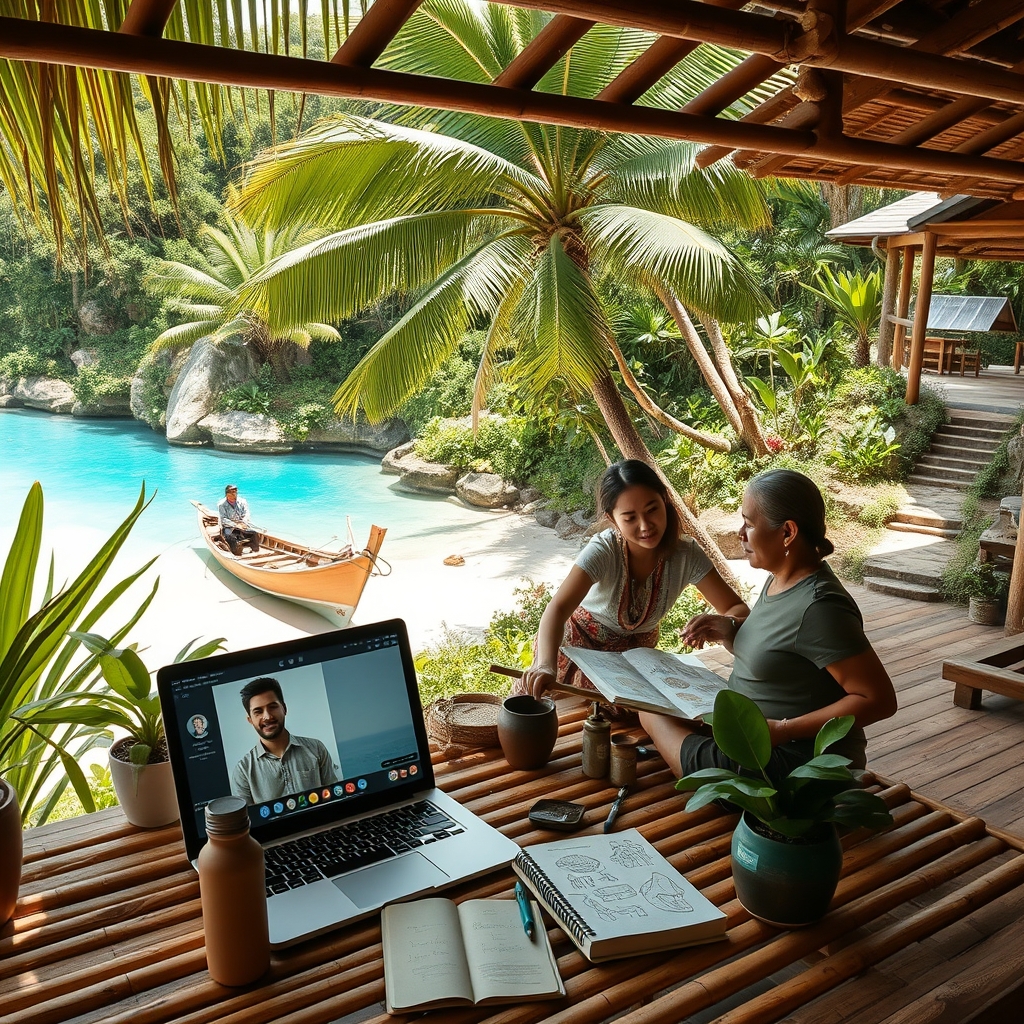
In an era where remote work has dissolved the boundaries between office and adventure, a new breed of travelers is emerging—those who seek not just a change of scenery, but a deeper connection with the places they visit. These modern explorers, often digital nomads, are redefining what it means to work and wander by blending productivity with purpose, luxury with sustainability, and solitude with cultural immersion. The result? A travel revolution that prioritizes mindful experiences over fleeting snapshots, and eco-conscious choices over mass tourism.
The Digital Nomad’s Dilemma: Work vs. Wanderlust
The rise of remote work has unlocked unprecedented freedom, but it has also introduced a paradox: how do you stay productive while surrounded by the allure of unexplored landscapes? The answer lies in destinations that cater to both the professional and the adventurer. Eco resorts, in particular, have become sanctuaries for digital nomads, offering high-speed internet amidst lush jungles, beachfront coworking spaces, and wellness programs designed to recharge both body and mind. These spaces are not just places to work; they are ecosystems that foster creativity, collaboration, and a sense of belonging.
Take, for example, the remote islands of Southeast Asia, where bamboo villas perch on cliffs overlooking turquoise waters, and solar-powered resorts blend seamlessly into the natural environment. Here, digital nomads can start their day with a sunrise yoga session, log into a virtual meeting with a view of the ocean, and end the afternoon exploring hidden beaches or participating in local conservation efforts. The key is balance—leveraging the flexibility of remote work to immerse oneself in the rhythm of a new culture without sacrificing professional commitments.
Cultural Tourism: Beyond the Postcard
For too long, cultural tourism has been synonymous with crowded landmarks, scripted performances, and superficial interactions. But the new wave of travelers—especially solo adventurers and digital nomads—are seeking something more authentic. They want to move beyond the postcard and into the heart of a destination, where traditions are lived, not just observed. This shift has given rise to experiences like homestays with indigenous communities, cooking classes with local chefs, and artisan workshops where travelers can learn age-old crafts.
In destinations like Bali, where cultural tourism thrives, digital nomads are trading resort buffets for warungs (local eateries) and guided tours for spontaneous conversations with village elders. They’re participating in temple ceremonies, learning the art of batik, and even contributing to community-led projects like coral reef restoration. These experiences don’t just enrich the traveler; they create a symbiotic relationship where tourism becomes a force for good, preserving heritage and supporting local economies.
The Slow Travel Movement: Less Rush, More Reward
The concept of slow travel isn’t new, but it’s gaining momentum among those who refuse to rush through life—or their travel itineraries. At its core, slow travel is about savoring the journey, whether that means spending a month in a single village, hiking through remote landscapes at a leisurely pace, or simply sitting on a hidden beach with no agenda. For digital nomads, this approach aligns perfectly with the flexibility of remote work, allowing them to dive deep into a destination rather than skimming its surface.
Eco resorts are at the forefront of this movement, offering long-stay packages that encourage guests to settle in and engage with their surroundings. Imagine waking up in a treehouse in Costa Rica, where your morning routine includes a hike through the cloud forest, followed by a few hours of focused work in a solar-powered pod. In the afternoon, you might join a guided meditation session or volunteer at a local wildlife sanctuary. The pace is unhurried, the experiences meaningful, and the impact on both the traveler and the environment is profound.
Sustainable Luxury: Where Indulgence Meets Responsibility
The idea of luxury travel is being redefined. No longer is it about opulent resorts with a heavy carbon footprint or private jets that leave a trail of emissions. Today’s discerning travelers—especially those who identify as digital nomads—are seeking luxury that aligns with their values. This means eco resorts built with reclaimed materials, private villas powered by renewable energy, and experiences that leave a positive mark on the planet.
In the Maldives, for instance, resorts like Soneva Fushi are setting the standard for sustainable luxury. Here, guests can dine in overwater villas made from sustainable wood, enjoy organic cuisine grown in the resort’s own gardens, and even participate in marine conservation programs. The emphasis is on exclusivity without excess, where the true luxury lies in the pristine environment and the knowledge that your stay is contributing to its preservation.
The Future of Work and Wanderlust
As remote work continues to evolve, so too will the way we travel. The digital nomads of today are paving the way for a future where work and wanderlust coexist harmoniously, where cultural immersion is as important as productivity, and where sustainability is not an afterthought but a guiding principle. The destinations that thrive in this new era will be those that offer more than just a pretty view—they’ll provide a sense of purpose, a connection to community, and a commitment to preserving the planet for future generations.
For those willing to embrace this shift, the rewards are immeasurable. It’s no longer about escaping life but enriching it, one mindful step at a time. Whether you’re typing away on a laptop in a jungle bungalow or learning to weave palm leaves with a local artisan, the world is yours to explore—slowly, sustainably, and with intention.


