
The Unspoiled Path: How Adventure Travel and Eco Resorts Are Crafting the Future of Sustainable Escapes
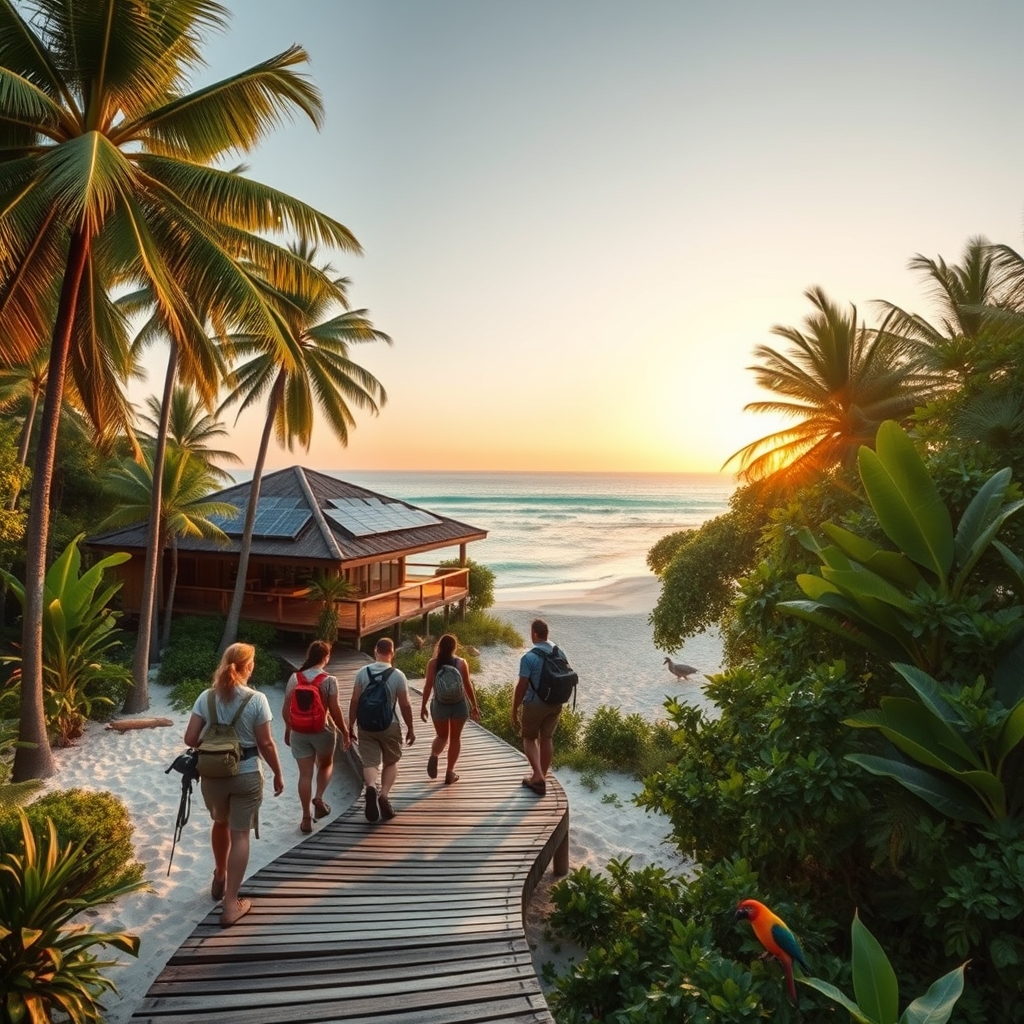
The modern traveler is no longer satisfied with mere sightseeing—they crave experiences that nourish the soul, challenge the body, and leave the planet better than they found it. This shift has given rise to a new era of adventure travel and eco resorts, where the thrill of exploration meets the responsibility of sustainability. These destinations are not just places to visit; they are sanctuaries where every step is a testament to mindful living, and every adventure is a celebration of the natural world.
The Evolution of Adventure Travel
Adventure travel has long been associated with adrenaline-pumping activities like rock climbing, white-water rafting, or trekking through dense jungles. While these experiences remain exhilarating, today’s adventurers are seeking something deeper: a connection to the environment and local cultures that goes beyond the surface. This evolution has led to a rise in slow travel within the adventure space, where the journey itself becomes as meaningful as the destination.
Take, for example, the remote trails of Patagonia or the untouched landscapes of Bhutan. These places offer more than just physical challenges—they provide opportunities for introspection and cultural exchange. Travelers are increasingly opting for guided expeditions led by local experts who share not only their knowledge of the terrain but also their stories, traditions, and commitment to preserving the land. This blend of adventure and cultural tourism creates a richer, more immersive experience that resonates long after the trip ends.
Eco Resorts: Where Luxury Meets Sustainability
The concept of luxury has also undergone a transformation. No longer is it defined solely by opulent amenities or exclusive services. Instead, today’s discerning travelers are drawn to eco resorts that prioritize sustainability without compromising on comfort. These retreats are designed to minimize their environmental footprint while maximizing the well-being of their guests and the communities they inhabit.
Imagine waking up in a luxury villa nestled in the heart of a Costa Rican rainforest, where the only sounds are the calls of tropical birds and the rustling of leaves. The villa is constructed from locally sourced, sustainable materials, powered by renewable energy, and designed to blend seamlessly with its surroundings. Meals are prepared using organic ingredients grown on-site or sourced from nearby farms, and activities are centered around conservation efforts, such as reforestation projects or wildlife monitoring. This is the new face of luxury—one that harmonizes indulgence with responsibility.
The Role of Wellness in Sustainable Travel
Wellness tourism has become a cornerstone of sustainable travel, as more people seek destinations that nourish both body and mind. Eco resorts are leading the charge by integrating wellness into their core offerings, from yoga retreats set against breathtaking backdrops to spa treatments using natural, locally harvested ingredients. These experiences are not just about relaxation; they are about reconnecting with oneself and the natural world in a way that fosters long-term well-being.
For solo travelers, in particular, wellness-focused eco resorts offer a safe and rejuvenating escape. The rise of solo travel has highlighted the importance of self-care, and these retreats provide the perfect environment for reflection and renewal. Whether it’s a silent meditation session at sunrise or a guided hike through a national park, the emphasis is on mindful movement and presence—principles that align perfectly with the ethos of sustainable travel.
Adventure with a Purpose: Conservation and Community
One of the most exciting trends in adventure travel is the growing emphasis on conservation and community engagement. Travelers are no longer content to be passive observers; they want to actively contribute to the preservation of the places they visit. This has led to the rise of voluntourism and eco-adventures, where guests can participate in wildlife conservation projects, coral reef restoration, or sustainable farming initiatives.
In the Galápagos Islands, for instance, visitors can join marine biologists on expeditions to monitor sea turtle populations or assist in removing invasive species from fragile ecosystems. Similarly, in the remote villages of Nepal, trekkers can stay in community-run lodges and learn about traditional farming practices that promote biodiversity. These experiences not only enrich the traveler’s journey but also provide vital support to local conservation efforts, ensuring that these pristine environments remain intact for future generations.
Destination Dupes: The Art of Sustainable Exploration
As overtourism continues to threaten some of the world’s most beloved destinations, travelers are turning to destination dupes—lesser-known alternatives that offer similar experiences without the crowds or environmental strain. These hidden gems allow adventurers to explore off-the-beaten-path locations while supporting local economies and minimizing their impact on the planet.
Instead of flocking to Bali, for example, consider the serene beaches of Lombok or the lush landscapes of Sumatra. Both offer the same tropical allure but with a fraction of the tourists. Similarly, those seeking the rugged beauty of Iceland might find equal enchantment in the Faroe Islands or the Scottish Highlands. By choosing these alternatives, travelers can enjoy authentic experiences while helping to alleviate the pressures of mass tourism.
The Future of Travel: A Mindful Approach
The future of travel lies in mindful exploration—where every decision, from the mode of transportation to the choice of accommodation, is made with intention. Adventure travel and eco resorts are at the forefront of this movement, proving that it’s possible to seek thrills and relaxation without compromising the planet’s health. As more travelers embrace this ethos, the industry will continue to evolve, offering experiences that are not only unforgettable but also regenerative.
The allure of unspoiled landscapes, vibrant cultures, and transformative experiences will always draw us to new horizons. But the true magic lies in how we choose to explore them—with respect, curiosity, and a deep commitment to leaving the world a little better than we found it. The path forward is clear: it’s not about where we go, but how we get there, and the legacy we leave behind.


