
The Rise of Boutique Hotels: How Small Stays Are Redefining Urban Exploration for the Modern Traveler
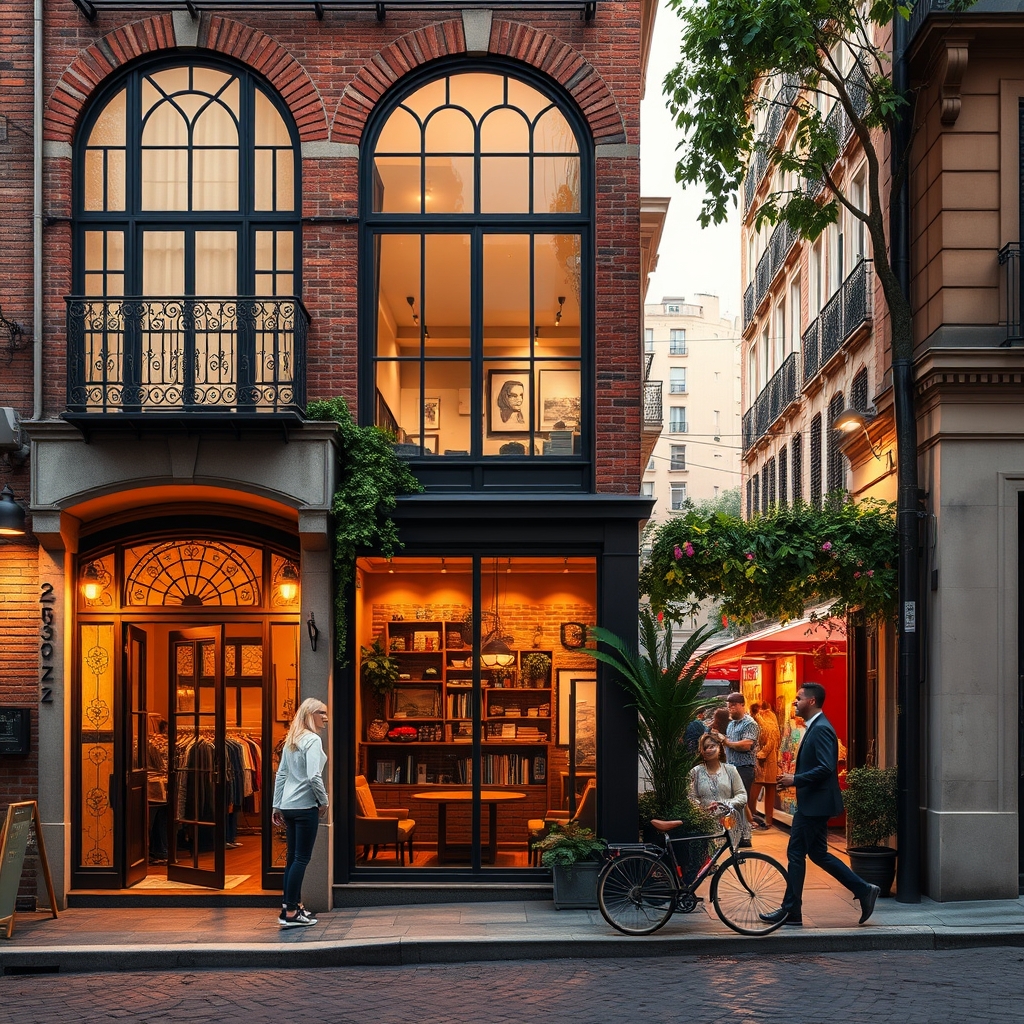
In an era where travelers crave authenticity over generic experiences, boutique hotels have emerged as the antidote to the one-size-fits-all hospitality model. These intimate, design-forward spaces are more than just places to rest—they are gateways to the soul of a city, offering a curated blend of local culture, personalized service, and immersive storytelling. For urban explorers, digital nomads, and cultural tourists alike, boutique hotels are redefining what it means to truly connect with a destination.
The Boutique Difference: Why Small Stays Stand Out
Unlike sprawling chain hotels, boutique properties are often tucked into historic districts, repurposed heritage buildings, or vibrant neighborhoods where the pulse of the city beats strongest. Their limited room counts—typically under 100—allow for a level of attention to detail that larger establishments simply cannot match. From handpicked artwork by local artists to bespoke furnishings that reflect regional craftsmanship, every element is thoughtfully chosen to evoke a sense of place.
Take, for example, a boutique hotel in Lisbon’s Alfama district, where azulejo tiles line the walls and fado music drifts through the courtyard. Or a Tokyo stay in a converted machiya townhouse, where sliding paper doors and tatami mats offer a glimpse into traditional Japanese living. These spaces don’t just accommodate guests; they immerse them in the narrative of the city from the moment they step inside.
Design as a Storytelling Tool
The most compelling boutique hotels use design to bridge the gap between past and present. In Barcelona, a former textile factory might be transformed into a loft-style retreat, its exposed brick and industrial beams paying homage to the city’s manufacturing roots while offering modern comforts. In Marrakech, a riad with a central courtyard and mosaic fountains becomes a sanctuary from the bustling souks, blending Moroccan heritage with contemporary luxury.
This intentional design extends beyond aesthetics. Many boutique hotels double as cultural hubs, hosting pop-up exhibitions, live music performances, or even cooking classes led by local chefs. By fostering these connections, they position themselves as active participants in the community rather than mere observers.
Boutique Hotels and the Digital Nomad Movement
The rise of remote work has blurred the lines between travel and everyday life, giving birth to the digital nomad—a traveler who seeks both productivity and inspiration in equal measure. Boutique hotels have adapted swiftly to this shift, offering co-working spaces, high-speed internet, and flexible check-in times to cater to the needs of the modern professional.
But what sets them apart is their ability to infuse work with local flavor. Imagine drafting an email from a rooftop terrace overlooking Hanoi’s Old Quarter, or brainstorming ideas in a Berlin hotel’s library filled with first-edition books by German authors. These spaces don’t just provide a desk; they offer a backdrop that fuels creativity and connection.
The Bleisure Advantage
For those blending business with leisure—so-called “bleisure” travelers—boutique hotels strike the perfect balance. Their central locations make them ideal bases for exploring during off-hours, whether it’s a quick walk to a nearby night market in Taipei or a metro ride to a historic district in Prague. Many properties also offer curated city guides, complete with insider tips on hidden cafés, street food stalls, and lesser-known architectural gems.
This seamless integration of work and play aligns perfectly with the ethos of slow travel, where the journey is as important as the destination. By choosing a boutique stay, travelers can transition effortlessly from a morning meeting to an afternoon of urban exploration, all without sacrificing the comforts of home.
Sustainability and Community: The Heart of Boutique Hospitality
In an age where sustainability is no longer optional, boutique hotels are leading the charge in responsible tourism. Many prioritize eco-friendly practices, from sourcing locally grown produce for their restaurants to implementing water-saving initiatives and using renewable energy sources. Some even partner with local artisans and farmers, ensuring that their operations benefit the community directly.
This commitment to sustainability extends to the guest experience. A boutique hotel in Copenhagen might offer complimentary bicycles for exploring the city’s urban greenery, while a stay in Portland could include a map of nearby zero-waste shops and farm-to-table eateries. By aligning with the values of conscious travelers, these properties foster a deeper, more meaningful connection to the places they visit.
The Future of Urban Exploration
As cities evolve, so too do the ways we experience them. Boutique hotels are at the forefront of this evolution, offering a model of hospitality that is as dynamic and diverse as the destinations themselves. They prove that travel doesn’t have to be about ticking off landmarks or following a rigid itinerary—it can be about slowing down, engaging with the local culture, and finding beauty in the details.
Whether you’re a digital nomad seeking a temporary home, a cultural tourist chasing authentic experiences, or simply someone who appreciates the art of thoughtful design, boutique hotels invite you to see the world through a different lens. They remind us that the best journeys are not just about where we go, but how we choose to stay—and in doing so, they redefine the very essence of urban exploration.


