
Celestial Pathways: Stargazing and Slow Travel in the World’s Last Wild Places
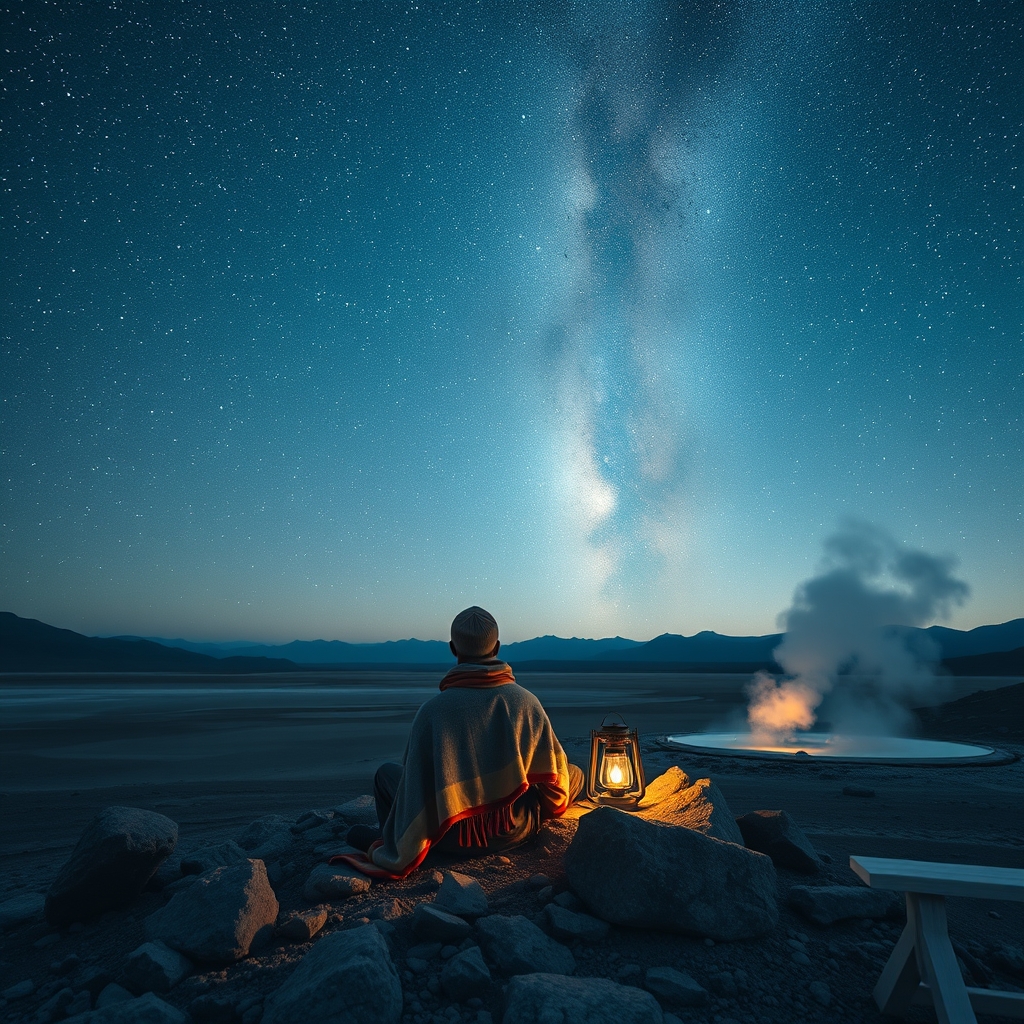
There is a quiet magic in standing beneath a sky so vast and star-studded that it feels like the universe is whispering directly to you. For those who seek solace in the wild, celestial travel—where the night sky becomes the main attraction—offers a profound way to reconnect with nature and oneself. Unlike the fleeting thrill of adventure travel or the structured itineraries of traditional tourism, celestial travel invites a slower, more intentional pace, one that aligns with the rhythms of the earth and the cosmos. It is a form of eco-tourism that doesn’t just minimize harm to the environment but celebrates its grandeur in the most humbling way possible.
The Allure of Dark Skies
Light pollution has erased the stars from the night skies of most urban areas, leaving many people disconnected from one of nature’s most awe-inspiring spectacles. However, in remote wilderness areas, national parks, and off-grid stays, the night sky remains untouched, a canvas of twinkling constellations, the Milky Way’s luminous arc, and the occasional streak of a shooting star. These dark sky reserves, such as Chile’s Atacama Desert, Namibia’s NamibRand Nature Reserve, or the Aoraki Mackenzie Dark Sky Reserve in New Zealand, are sanctuaries for stargazers and soul-searchers alike. Here, the absence of artificial light isn’t just a novelty—it’s a reminder of how small we are in the grand scheme of the universe, and how precious these untouched landscapes truly are.
Eco-Tourism Meets Celestial Wonder
Celestial travel is inherently sustainable. The same conditions that create pristine night skies—remote locations, minimal development, and a commitment to preserving natural darkness—also align with the principles of eco-tourism. Many dark sky destinations are found within national parks or protected areas, where conservation efforts ensure that the land remains unspoiled for future generations. For example, the International Dark-Sky Association (IDA) certifies locations that meet strict criteria for light pollution control, encouraging communities to adopt responsible lighting practices. Travelers who visit these places often find themselves supporting local conservation initiatives, whether through guided stargazing tours led by astronomers or stays at eco-lodges that prioritize renewable energy and low-impact design.
Slow Travel Under the Stars
At its core, celestial travel is a form of slow travel. It’s not about ticking off destinations or rushing from one experience to the next. Instead, it’s about immersing yourself in the moment, whether that means spending hours lying on a blanket in the desert, waiting for the perfect meteor shower, or waking up before dawn to witness the sunrise paint the sky in hues of gold and pink. This unhurried approach allows travelers to engage more deeply with their surroundings, fostering a sense of mindfulness that is often lost in the hustle of modern life. It’s a digital detox in its purest form, where the only notifications come from the rustling of leaves or the distant call of nocturnal wildlife.
Off-Grid Stays and Wilderness Escapes
For those who want to fully disconnect, off-grid stays offer the perfect setting for celestial travel. Imagine a cozy cabin in the woods, a yurt in the mountains, or a glass-domed igloo in the Arctic, where the only light at night comes from the stars above. These accommodations are designed to blend seamlessly with their natural surroundings, often powered by solar energy and built with sustainable materials. They provide a rare opportunity to step away from the noise of everyday life and into a world where time slows down. In places like Sweden’s Aurora Safari Camp or Canada’s Northern Lights Eco-Lodge, travelers can witness celestial phenomena like the aurora borealis while surrounded by untouched wilderness. These experiences are not just about seeing the night sky—they’re about feeling its presence in every fiber of your being.
Adventure Meets Astronomy
Celestial travel doesn’t have to mean sitting still. For the more adventurous, it can be combined with hiking, kayaking, or even mountain treks to create a multi-sensory experience. Picture yourself trekking through Patagonia’s Torres del Paine National Park, where the jagged peaks are mirrored in the still waters of glacial lakes, and the night sky reflects off the ice like a second universe. Or kayaking along Norway’s fjords, where the Northern Lights dance above the water, their green and purple hues shimmering in the inky darkness. These adventures add a layer of physicality to celestial travel, allowing you to explore the landscape by day and the cosmos by night.
Wildlife and the Night Sky
One of the most enchanting aspects of celestial travel is the way it intersects with wildlife. Many animals are nocturnal, and their behaviors are deeply connected to the cycles of the moon and stars. In places like Botswana’s Okavango Delta or Costa Rica’s Corcovado National Park, nighttime safaris reveal a side of nature that most travelers never see. The hoot of an owl, the rustle of a hedgehog in the underbrush, or the distant howl of a wolf become part of the stargazing experience, creating a symphony of sounds that accompanies the visual feast above. These encounters remind us that we are not separate from nature but a part of it, and that the night sky is not just a backdrop but a living, breathing entity.
Geothermal Bathing and Celestial Reflection
For a truly restorative experience, few things compare to soaking in a geothermal pool under a star-filled sky. Places like Iceland’s Blue Lagoon or Japan’s onsens offer the perfect blend of relaxation and celestial wonder. The warmth of the water contrasts with the cool night air, creating a sensation of being suspended between earth and sky. As you float in the mineral-rich waters, the stars above seem closer, their light reflecting off the steam rising from the pool. It’s a moment of pure bliss, where the stresses of daily life melt away, and all that remains is the quiet hum of the universe.
The beauty of celestial travel lies in its ability to remind us of our place in the world. It’s not just about seeing the stars—it’s about feeling their presence, their timelessness, and their connection to everything around us. In a world that often feels fragmented and fast-paced, these moments of stillness and wonder are more precious than ever. Whether you’re lying on a remote beach, hiking through a mountain pass, or soaking in a geothermal pool, the night sky has a way of putting things into perspective. It doesn’t demand anything from you; it simply offers itself, vast and infinite, a reminder that we are all part of something much greater than ourselves. And perhaps that’s the greatest gift of all.


