
Rewilding Your Soul: The Transformative Power of Nature Travel and Digital Detox
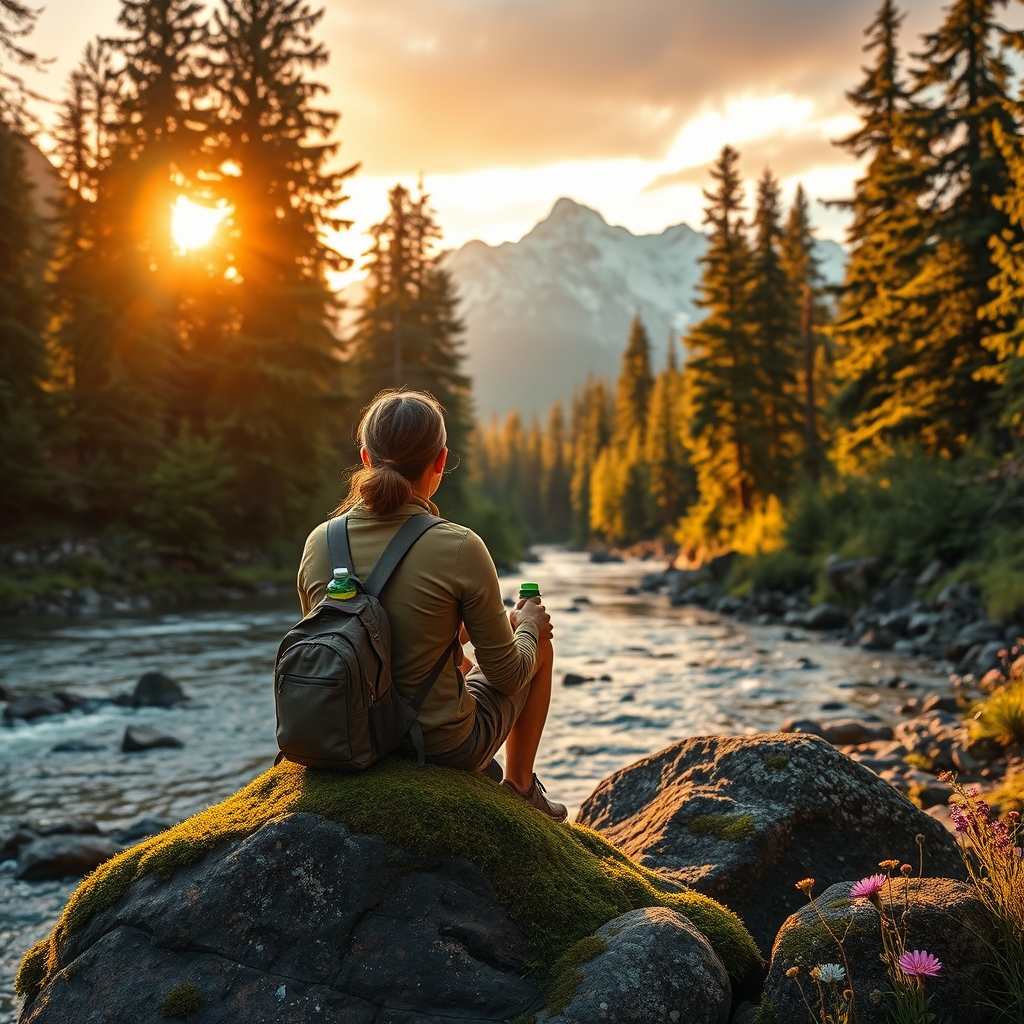
In a world where screens dominate our attention and urban landscapes stretch endlessly, the call of the wild has never been more compelling. Nature travel isn’t just about escaping the daily grind—it’s about reconnecting with the earth in a way that restores balance to our minds, bodies, and spirits. Whether it’s the whisper of wind through ancient forests, the rhythmic crash of ocean waves, or the silent majesty of snow-capped peaks, the wilderness offers a sanctuary for those seeking to unplug, recharge, and rediscover what it means to truly live.
The Rise of Eco-Tourism: Traveling with Purpose
Eco-tourism has evolved from a niche interest into a global movement, driven by travelers who want their adventures to leave a positive impact. Unlike traditional tourism, which often prioritizes convenience and comfort, eco-tourism emphasizes sustainability, conservation, and community engagement. Destinations like Costa Rica’s cloud forests, Norway’s fjords, and New Zealand’s national parks have become havens for those who wish to explore without exploiting the environment.
Staying in off-grid lodges or eco-friendly retreats allows travelers to minimize their carbon footprint while immersing themselves in pristine landscapes. These stays often rely on renewable energy, water conservation systems, and locally sourced materials, ensuring that the beauty of the destination remains unspoiled for future generations. More than just a place to sleep, these accommodations become part of the experience, offering a deeper connection to the land and its people.
Digital Detox: The Art of Being Present
The constant ping of notifications, the endless scroll of social media, and the pressure to always be “connected” can leave us feeling drained and disconnected from the world around us. A digital detox—intentional time away from screens—can be a powerful antidote to modern life’s relentless pace. Nature travel provides the perfect setting for this reset, where the only alerts are the calls of birds or the rustle of leaves underfoot.
Studies have shown that spending time in nature reduces stress, improves mood, and enhances cognitive function. When we step away from our devices, we give our brains the space to wander, reflect, and recharge. Whether it’s a solo hike through a national park or a guided meditation session by a scenic river, the absence of digital distractions allows us to fully engage with the present moment. The wilderness becomes not just a backdrop but a participant in our journey toward mindfulness.
Adventure Awaits: From Hiking Trails to Celestial Wonders
For those who crave adventure, nature travel offers endless possibilities. Hiking trails like the Appalachian Trail in the U.S. or the Tour du Mont Blanc in Europe provide both physical challenge and breathtaking rewards. Each step forward is a reminder of our resilience and the sheer joy of movement. Meanwhile, coastal walks, such as England’s Jurassic Coast or Australia’s Great Ocean Walk, combine the therapeutic benefits of the ocean with the thrill of exploration.
For a more immersive experience, remote wilderness areas like Alaska’s Denali National Park or the Amazon rainforest offer a chance to disconnect from civilization entirely. Here, the rhythms of nature dictate the pace of life—sunrise and sunset, the ebb and flow of tides, the migration of wildlife. And for those who seek a truly otherworldly experience, celestial travel—such as chasing the Northern Lights in Iceland or stargazing in Chile’s Atacama Desert—connects us to the vastness of the universe and our place within it.
Slow Travel: Savoring the Journey
In a culture that glorifies speed and efficiency, slow travel is a radical act of rebellion. It’s about savoring the journey rather than rushing to the destination, about lingering in a place long enough to truly understand it. This approach aligns perfectly with nature travel, where the goal isn’t to check off landmarks but to absorb the essence of a place.
Imagine spending a week in a small village near the Italian Dolomites, where each day brings a new hiking trail, a local farm-to-table meal, or a conversation with a shepherd who’s lived in the mountains his entire life. Or picture yourself kayaking down a scenic river, camping under the stars, and waking up to the sound of water lapping against the shore. Slow travel allows us to form a deeper connection with the environment and the people who call it home, fostering a sense of belonging that transcends borders.
Sustainable Travel: Leaving Only Footprints
As the effects of climate change become increasingly visible, sustainable travel has shifted from a choice to a responsibility. The principles of Leave No Trace—packing out what you bring in, respecting wildlife, and minimizing campfire impact—are essential for preserving the places we love. But sustainability goes beyond individual actions; it’s about supporting businesses and destinations that prioritize environmental stewardship.
Choosing to travel with eco-conscious tour operators, staying in certified green accommodations, and opting for low-impact activities like cycling or kayaking are all ways to reduce your environmental footprint. Even small decisions, like bringing a reusable water bottle or refusing single-use plastics, can make a difference. When we travel sustainably, we ensure that the natural wonders we cherish today will still be there for future explorers to discover.
The allure of nature travel lies in its ability to remind us of our place in the natural world. It’s a chance to step away from the noise of modern life and listen to the quiet wisdom of the earth. Whether we’re hiking through a dense forest, gazing at a star-filled sky, or simply sitting by a river and watching the water flow, these moments of connection ground us in something greater than ourselves. They remind us that we are not separate from nature but a part of it—and that, perhaps, is the most transformative journey of all.


