
Beyond the Screen: How Off-Grid Stays Restore Mind, Body, and Connection to Earth
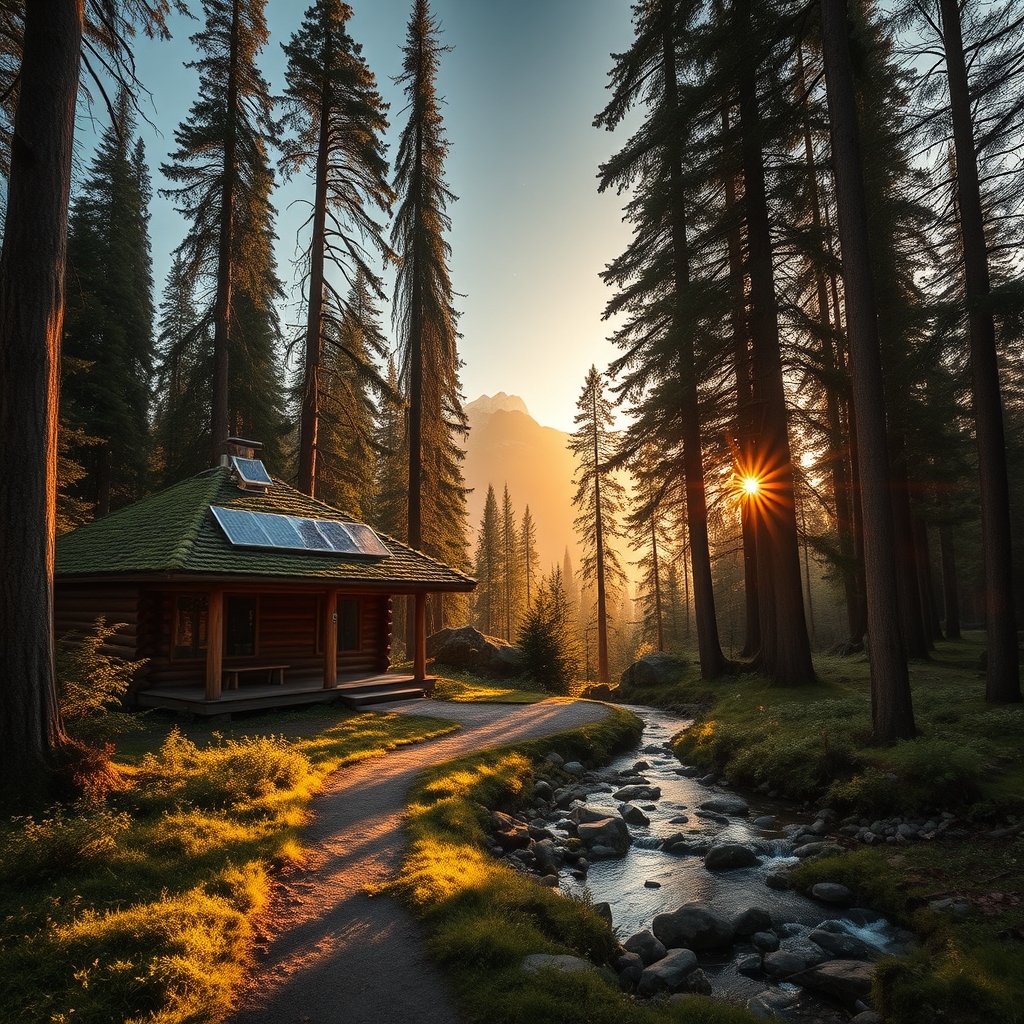
In a world where the glow of screens dictates our daily rhythms, the call of the wild grows louder—not as an escape, but as a return. Off-grid stays in remote wilderness areas offer more than just a break from technology; they provide a rare opportunity to reconnect with the natural world in its purest form. These experiences are not about deprivation but about rediscovery: of silence, of starlight, of the slow, steady pulse of the earth beneath our feet.
The Alchemy of Silence
Silence is a luxury in modern life, yet it is one of the most potent tools for restoration. Off-grid retreats, nestled in dense forests or perched on rugged coastlines, strip away the noise of urban existence. Without the hum of traffic or the ping of notifications, the mind begins to unwind. Studies show that prolonged exposure to natural silence can lower cortisol levels, reduce stress, and even enhance cognitive function. In these quiet spaces, the chatter of the inner mind fades, replaced by the symphony of rustling leaves, distant waves, or the occasional call of a bird.
Imagine waking in a cabin where the only alarm is the first light of dawn filtering through the trees. No emails to check, no social feeds to scroll—just the simple act of breathing in the crisp morning air. This is the essence of a digital detox: not just stepping away from screens, but stepping into a slower, more deliberate way of being.
Sustainable Travel as a Way of Life
Off-grid stays are often synonymous with eco-tourism, where sustainability is not an afterthought but a guiding principle. These retreats are designed to leave the lightest possible footprint, using renewable energy sources like solar or wind power, composting toilets, and locally sourced materials. Some even operate on a zero-waste model, where every resource is carefully considered and reused.
But sustainability goes beyond infrastructure. It’s about fostering a deeper respect for the land and its inhabitants. Many off-grid hosts offer guided hikes, wildlife tracking, or conservation workshops, inviting guests to become temporary stewards of the environment. This hands-on approach transforms travel from a passive experience into an active partnership with nature. When you plant a tree, track a wolf pack, or learn to identify edible plants, the landscape becomes more than a backdrop—it becomes a living, breathing entity to which you are intimately connected.
The Healing Power of Wild Water
Water has long been revered for its restorative properties, and off-grid stays often place it at the heart of the experience. Whether it’s soaking in a geothermal hot spring, kayaking along a scenic river, or simply listening to the rhythmic crash of ocean waves, water has a unique ability to soothe the soul. The Japanese practice of forest bathing, or shinrin-yoku, has gained global recognition for its mental health benefits, but water adds another layer of healing. The sound of flowing water triggers a relaxation response in the brain, slowing the heart rate and easing tension.
In Iceland, geothermal bathing is a cultural cornerstone, with hidden hot springs tucked into volcanic landscapes. In New Zealand, the Whanganui River is granted legal personhood, a testament to its spiritual significance. These places remind us that water is not just a resource but a sacred force, one that can wash away the residue of modern life and leave us renewed.
Celestial Wonders and the Art of Slow Travel
One of the most magical aspects of off-grid stays is the night sky. Far from the light pollution of cities, the stars emerge in breathtaking clarity, revealing constellations that have guided travelers for millennia. In places like Chile’s Atacama Desert or the remote islands of Scotland, the Milky Way stretches across the sky like a luminous river, a humbling reminder of our place in the universe.
Slow travel—moving at a pace that allows for deep immersion—is a natural companion to off-grid living. Without the pressure of itineraries or the distraction of devices, time takes on a different quality. Days unfold organically, shaped by the rising and setting of the sun, the tides, or the weather. This unhurried approach fosters a sense of presence, where every moment is savored rather than rushed through. It’s a radical act of resistance in a world that equates busyness with worth.
Adventure with Intention
Off-grid stays are not about roughing it in discomfort but about embracing adventure with intention. Hiking trails wind through ancient forests, leading to hidden waterfalls or panoramic viewpoints. Mountain treks challenge the body while rewarding the spirit with vistas that stretch to the horizon. Coastal walks reveal tide pools teeming with life, where anemones and starfish thrive in the intertidal zone. These experiences are not just physical feats but opportunities to engage with the land in a way that is both exhilarating and humbling.
For those seeking a gentler pace, forest escapes offer a different kind of adventure. The Japanese concept of komorebi, the interplay of light and leaves, captures the quiet magic of a sun-dappled woodland. Walking through a forest, the air thick with the scent of pine and earth, is a form of moving meditation. The body benefits from the exercise, while the mind finds clarity in the repetition of steps and the rustle of the wind.
Wildlife as a Mirror
Encounters with wildlife are often the highlight of off-grid stays. Whether it’s spotting a bear in Alaska, watching dolphins play off the coast of Cornwall, or listening to the haunting call of a loon on a Canadian lake, these moments create a sense of connection to something greater than ourselves. Wildlife tourism, when done responsibly, can also support conservation efforts, funding anti-poaching patrols or habitat restoration projects.
But wildlife is more than a spectacle—it’s a mirror. Observing animals in their natural habitat can teach us about resilience, adaptability, and the delicate balance of ecosystems. A wolf pack’s cooperation, a bird’s meticulous nest-building, or a whale’s migratory journey all offer lessons in patience, perseverance, and the interconnectedness of life. These encounters remind us that we are not separate from nature but a part of it, bound by the same rhythms and cycles.
As the world grows increasingly digitized, the value of off-grid stays becomes clearer. They are not just vacations but vital counterpoints to modern life, offering a space to recalibrate, reflect, and remember what it means to be human. In the quiet of the wilderness, we find not emptiness but fullness—a deep, abiding connection to the earth and to ourselves. The screen will always be there, but the wild is waiting, ready to restore us in ways we never knew we needed.


