
The Slow Travel Revolution: How Cultural Tourism and Eco Resorts Are Crafting Authentic Escapes
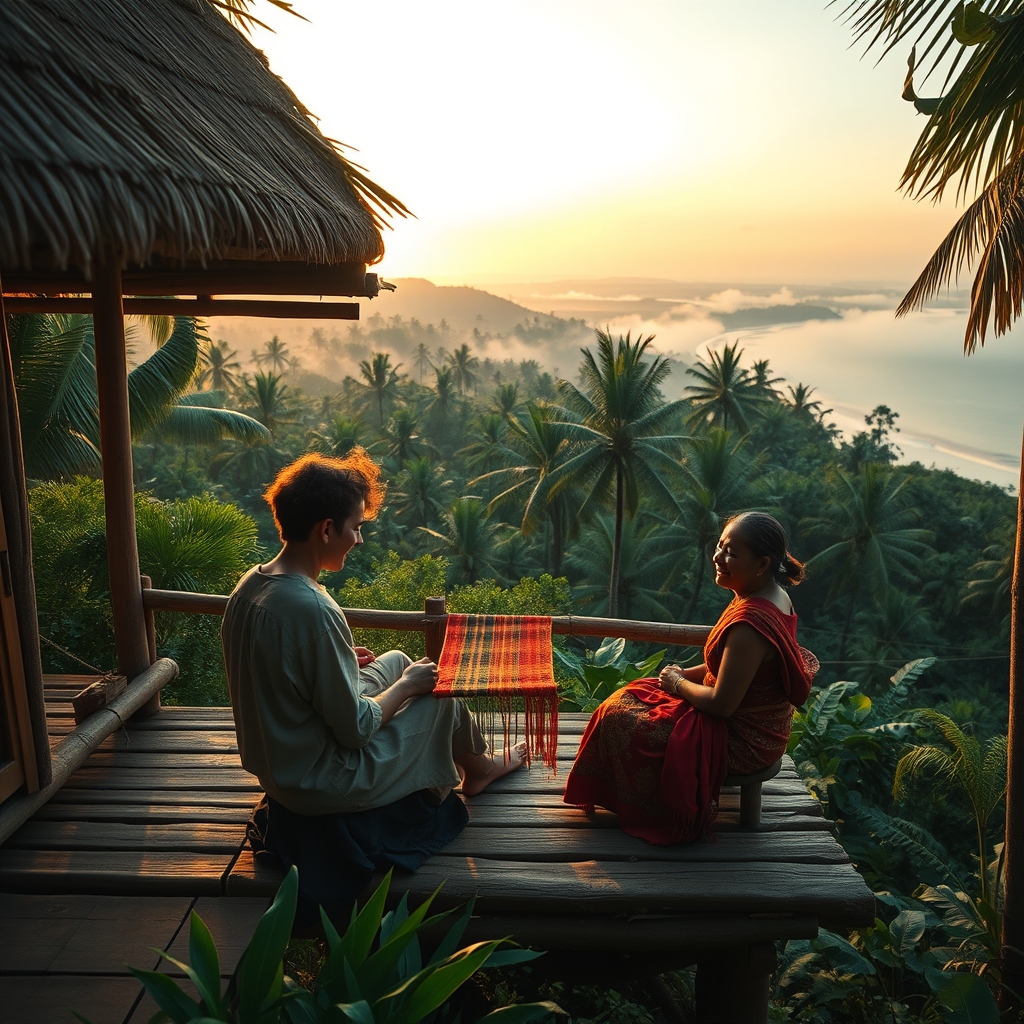
In a world where fast-paced living has become the norm, the concept of slow travel is emerging as a breath of fresh air for those seeking deeper connections with the places they visit. Unlike traditional tourism, which often prioritizes ticking off landmarks and rushing through destinations, slow travel encourages immersive experiences that foster cultural understanding, environmental respect, and personal rejuvenation. This movement is not just about where you go, but how you go—and it’s reshaping the way we explore the world.
The Philosophy Behind Slow Travel
Slow travel is rooted in the idea of mindful exploration. It’s about savoring each moment, whether that means lingering over a cup of locally brewed coffee in a village café, spending an afternoon learning traditional crafts from artisans, or simply wandering through a historic neighborhood without a strict itinerary. This approach aligns perfectly with cultural tourism, which emphasizes authentic interactions with local communities, traditions, and heritage. By slowing down, travelers can move beyond the surface-level experiences that mass tourism often offers and instead engage with the soul of a destination.
Eco resorts play a pivotal role in this shift, offering accommodations that blend luxury with sustainability. These retreats are designed to minimize environmental impact while maximizing guest immersion in nature and local culture. From solar-powered villas nestled in lush rainforests to beachfront bungalows built with reclaimed materials, eco resorts provide a sanctuary for travelers who want to disconnect from the digital noise and reconnect with the natural world. Many of these resorts also offer cultural programs, such as cooking classes with local chefs, guided hikes led by indigenous guides, or storytelling sessions that delve into the history of the region.
Why Cultural Tourism Thrives in Slow Travel
Cultural tourism flourishes when travelers take the time to engage with the people and traditions of a place. Slow travel creates the space for these meaningful exchanges. Imagine spending a week in a small village in Bali, not just visiting temples but participating in daily rituals, learning the art of batik from a local artisan, or joining a community-led conservation project. These experiences leave a lasting impression, fostering a sense of global citizenship and mutual respect.
One of the most rewarding aspects of cultural tourism is the opportunity to challenge preconceived notions and broaden perspectives. When travelers immerse themselves in local customs, they gain a deeper appreciation for the diversity of human experience. This could mean sharing a meal with a family in Morocco, learning traditional dance in Brazil, or participating in a tea ceremony in Japan. These moments of connection transcend language barriers and create memories that last far longer than any souvenir.
The Role of Eco Resorts in Sustainable Cultural Experiences
Eco resorts are often at the forefront of sustainable cultural tourism, acting as bridges between travelers and local communities. Many of these resorts are owned or operated by locals, ensuring that tourism dollars directly benefit the people who call these destinations home. They also prioritize hiring local staff, sourcing ingredients from nearby farms, and supporting community initiatives, such as education or conservation projects. This model of tourism ensures that the economic benefits of travel are distributed more equitably, reducing the risk of exploitation that can come with mass tourism.
For example, in Costa Rica, eco resorts like Lapa Rios Lodge offer guests the chance to explore the Osa Peninsula’s rich biodiversity while also engaging with the local community. The lodge employs guides from nearby villages, supports local schools, and even offers cultural tours that highlight the traditions of the indigenous Boruca people. Similarly, in Bhutan, eco-friendly lodges like Amankora provide immersive experiences that align with the country’s philosophy of Gross National Happiness, blending luxury with deep cultural respect.
How to Embrace Slow Travel in Your Next Adventure
Adopting a slow travel mindset doesn’t require a complete overhaul of your travel plans—it’s about making intentional choices that prioritize quality over quantity. Start by selecting destinations that align with your values, whether that’s sustainability, cultural immersion, or personal wellness. Look for accommodations that are committed to eco-friendly practices and community engagement, such as eco resorts or locally owned guesthouses. When planning your itinerary, resist the urge to pack in as many activities as possible. Instead, leave room for spontaneity and serendipity, allowing yourself to stumble upon hidden gems that aren’t in guidebooks.
Consider extending your stay in one or two places rather than hopping from city to city. This not only reduces your carbon footprint but also gives you the time to form deeper connections with the people and places you encounter. Engage with locals by asking questions, trying new foods, and participating in cultural activities. Learn a few phrases in the local language—it’s a small gesture that can open doors to meaningful interactions. And don’t forget to unplug: limit your screen time and be present in the moment, whether you’re watching a sunset, hiking through a forest, or sharing stories with new friends.
The Unexpected Joys of Slow Travel
One of the most beautiful aspects of slow travel is the way it transforms the journey itself into part of the destination. When you’re not rushing from one place to the next, you notice details you might otherwise miss—the way the light filters through the trees in the early morning, the sound of a street musician’s melody drifting through a plaza, or the warmth of a stranger’s smile. These small moments accumulate, creating a tapestry of experiences that feel deeply personal and authentic.
Slow travel also fosters a sense of gratitude and humility. When you take the time to understand the challenges and triumphs of the communities you visit, you develop a greater appreciation for the privileges you may take for granted. This awareness can inspire more responsible travel choices, from supporting local businesses to minimizing your environmental impact. It’s a ripple effect: the more you give to a place, the more you receive in return—not just in terms of memories, but in the form of personal growth and a renewed sense of wonder for the world.
As the world continues to grapple with the environmental and social impacts of mass tourism, slow travel offers a path forward—one that celebrates the beauty of cultural diversity, the importance of sustainability, and the joy of discovery. It’s not about escaping life’s responsibilities but about embracing them with a sense of curiosity and respect. Whether you’re wandering through the ancient streets of Kyoto, volunteering at a wildlife sanctuary in South Africa, or simply sitting quietly on a hidden beach, slow travel invites you to experience the world in a way that is as enriching for the soul as it is gentle on the planet.


