
The Hidden Allure of Secret Islands: A Sustainable Traveler’s Guide to Undiscovered Paradise
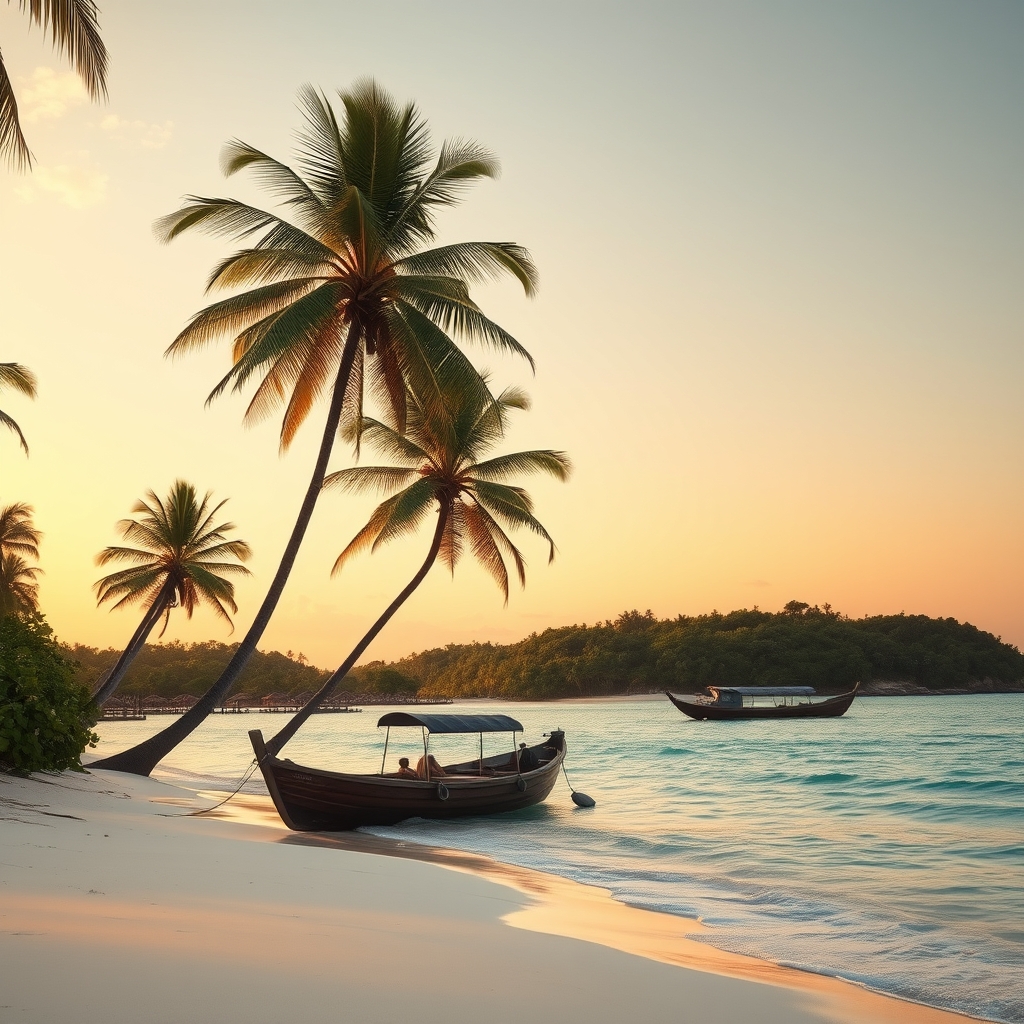
The world is vast, yet it often feels like every corner has been mapped, photographed, and shared a thousand times over. Social media feeds overflow with the same iconic landmarks, crowded beaches, and well-trodden paths, leaving the spirit of adventure gasping for air. But what if there’s a different way to explore? What if the most unforgettable experiences lie not in the places everyone knows, but in the secret islands and hidden beaches that remain untouched by mass tourism? For the sustainable traveler, these undiscovered paradises offer more than just solitude—they promise a deeper connection to nature, culture, and oneself.
The Call of the Unknown
There’s something inherently magical about setting foot on an island that few have heard of, let alone visited. These places exist beyond the reach of commercial flights and cruise ships, accessible only by small boats, private charters, or even local fishing vessels. The journey itself becomes part of the adventure, a reminder that travel isn’t just about the destination but the stories woven along the way. Whether it’s the remote atolls of the Pacific, the secluded coves of the Adriatic, or the untouched archipelagos of Southeast Asia, secret islands offer a rare opportunity to step back in time and experience the world as it once was.
For the eco-conscious traveler, these hidden gems are a sanctuary. Unlike their more famous counterparts, they haven’t been overdeveloped or overrun by tourists. Coral reefs remain vibrant, forests stay lush, and wildlife thrives undisturbed. Many of these islands are home to small, locally run eco-resorts or homestays that prioritize sustainability, from solar-powered energy to zero-waste initiatives. Staying in such places doesn’t just minimize your environmental impact—it allows you to contribute directly to the preservation of these fragile ecosystems.
Cultural Immersion Without the Crowds
One of the greatest joys of visiting secret islands is the chance to engage with local cultures in an authentic, unfiltered way. Without the influence of mass tourism, traditions remain intact, and communities welcome visitors with open arms, eager to share their way of life. Imagine learning traditional fishing techniques from a village elder in the Solomon Islands, participating in a sacred dance ceremony in Vanuatu, or sharing a meal of freshly caught seafood with a family in the Azores. These experiences are not curated for tourists; they are real, meaningful, and deeply personal.
Cultural tourism takes on a new dimension in these settings. There are no souvenir shops selling mass-produced trinkets or guided tours rushing you from one attraction to the next. Instead, you might find yourself helping to harvest salt in a centuries-old tradition, joining a community effort to replant mangroves, or simply sitting under a banyan tree listening to stories passed down through generations. The slower pace of life on these islands encourages a deeper understanding of the place and its people, fostering a sense of connection that lingers long after you’ve left.
The Digital Nomad’s Secret Weapon
For digital nomads, secret islands present an irresistible blend of productivity and paradise. While the idea of working from a tropical beach is often romanticized, the reality can be quite different—crowded coworking spaces, unreliable Wi-Fi, and the constant hum of tourists can make it difficult to focus. Secret islands, however, offer the perfect antidote. With fewer distractions and a serene environment, they provide an ideal backdrop for remote work. Many eco-resorts and boutique hotels in these locations now cater to digital nomads, offering high-speed internet, comfortable workspaces, and a community of like-minded travelers.
Imagine starting your day with a sunrise yoga session on a secluded beach, followed by a few hours of focused work in a hammock under the shade of a palm tree. In the afternoon, you might take a break to snorkel in crystal-clear waters, explore a hidden cave, or simply enjoy a quiet walk along the shore. The balance between work and leisure is effortless, and the lack of crowds means you can truly disconnect from the noise of the modern world. For those who crave adventure, secret islands also offer plenty of opportunities for exploration, from kayaking through mangrove forests to hiking to viewpoints with panoramic ocean views.
How to Find Your Own Secret Island
Discovering these hidden paradises requires a bit of effort, but the rewards are well worth it. Start by researching lesser-known destinations that align with your interests—whether it’s diving, hiking, cultural experiences, or simply relaxation. Look for islands that are off the beaten path, such as those in the Andaman and Nicobar archipelago, the lesser-visited islands of the Philippines, or the remote corners of the Caribbean. Travel forums, blogs, and even social media groups dedicated to sustainable travel can be invaluable resources for uncovering these gems.
Once you’ve identified a potential destination, consider the logistics. Many secret islands are only accessible by small planes, boats, or even private charters, so be prepared for a journey that may take longer than a typical vacation. It’s also important to respect the local environment and culture. Choose accommodations that prioritize sustainability, support local businesses, and engage with the community in a meaningful way. Pack responsibly, minimizing single-use plastics and opting for eco-friendly products.
Leaving Only Footprints
Sustainable travel is about more than just choosing eco-friendly accommodations or offsetting your carbon footprint. It’s about leaving a place better than you found it, ensuring that the beauty and culture of these secret islands remain intact for future generations. This means being mindful of your impact—avoiding activities that harm wildlife, respecting local customs, and supporting conservation efforts. It also means traveling with an open heart and a willingness to learn, to listen, and to adapt to the rhythms of the place you’re visiting.
As the world becomes increasingly connected, the allure of secret islands grows stronger. They represent a return to the essence of travel: discovery, connection, and a sense of wonder. In a time when so much of the world feels explored, these hidden paradises remind us that there are still places where adventure thrives, where nature reigns supreme, and where the journey is just as important as the destination. The question is no longer where to go, but how to go—with intention, respect, and a spirit of curiosity that transforms every step into a story worth telling.


