
The Hidden Pulse of Cultural Tourism: How Slow Travel and Eco Resorts Are Redefining Authentic Connections
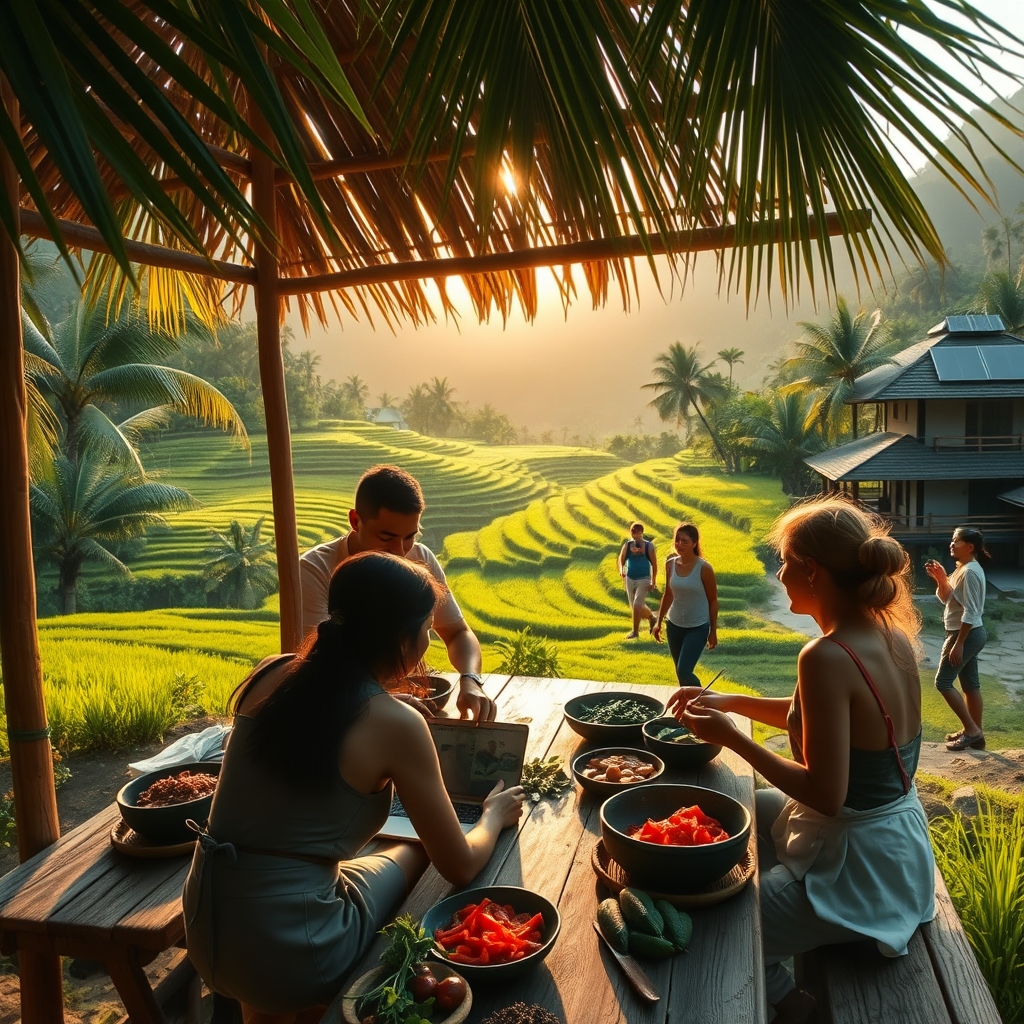
In an era where travel has become synonymous with ticking off bucket-list destinations and snapping the perfect Instagram photo, a quieter revolution is unfolding—one that prioritizes depth over speed, connection over convenience, and sustainability over spectacle. Cultural tourism, when paired with the principles of slow travel and eco-conscious resorts, is transforming the way we explore the world. It’s no longer about seeing a place; it’s about feeling its heartbeat, understanding its rhythms, and leaving a positive imprint on the communities that call it home.
The Philosophy of Slow Travel: More Than Just a Pace
Slow travel is often misunderstood as merely taking longer trips or moving at a leisurely pace. While those elements are part of it, the philosophy runs much deeper. It’s about immersing yourself in the local culture, savoring the moments that unfold naturally, and resisting the urge to rush from one attraction to the next. This approach allows travelers to form meaningful connections with the people, traditions, and landscapes they encounter, rather than skimming the surface of a destination.
Imagine spending a week in a small village in Bali, not just to visit the temples and rice terraces, but to participate in a traditional cooking class, learn the art of batik from a local artisan, or join a community-led conservation project. These experiences don’t just fill your itinerary—they fill your soul. Slow travel encourages us to step off the well-trodden path and engage with the world in a way that is both personal and profound.
Eco Resorts: Where Sustainability Meets Authenticity
The rise of eco resorts has been a game-changer for cultural tourism. These properties are designed to minimize their environmental impact while maximizing their positive contributions to local communities. Unlike traditional resorts that often isolate guests from the surrounding culture, eco resorts are deeply rooted in their environments, offering experiences that are as enriching for the traveler as they are beneficial for the host community.
Take, for example, an eco resort nestled in the heart of Costa Rica’s rainforest. Here, guests can wake up to the sounds of howler monkeys, explore nearby waterfalls with a local guide, or learn about sustainable farming practices from the resort’s staff. These resorts often employ locals, source ingredients from nearby farms, and support conservation efforts, ensuring that tourism dollars stay within the community. The result? A travel experience that feels authentic, responsible, and deeply rewarding.
Cultural Immersion: The Heart of Meaningful Travel
At the core of cultural tourism is the idea of immersion—stepping into the daily life of a community and engaging with its traditions, values, and stories. This could mean sharing a meal with a family in a Moroccan medina, learning the art of salsa dancing in Cuba, or participating in a traditional tea ceremony in Japan. These experiences foster a sense of connection that goes beyond the superficial, allowing travelers to see the world through a new lens.
One of the most powerful aspects of cultural immersion is its ability to challenge our preconceptions. When we engage with people whose lives are different from our own, we begin to question our assumptions, broaden our perspectives, and develop a deeper appreciation for the diversity of human experience. This is the true gift of cultural tourism: it doesn’t just change the way we see the world—it changes the way we see ourselves.
The Role of Digital Nomads in Cultural Tourism
The rise of remote work has given birth to a new breed of traveler: the digital nomad. These individuals are redefining what it means to explore the world, blending work and wanderlust in ways that were once unimaginable. For digital nomads, cultural tourism isn’t just a vacation—it’s a way of life. They seek out destinations where they can live like locals, whether that means renting a villa in a Portuguese fishing village, working from a café in Hanoi, or setting up their laptop in a co-working space in Medellín.
This lifestyle offers a unique opportunity to engage with cultural tourism on a deeper level. Digital nomads often stay in one place for weeks or even months, allowing them to form genuine relationships with locals, learn the language, and participate in community events. They become temporary residents rather than tourists, and in doing so, they contribute to the local economy in a sustainable way. Their presence can also help to preserve cultural traditions, as they seek out authentic experiences that might otherwise be overlooked by mainstream tourism.
Destination Dupes: The Sustainable Alternative to Over-Touristed Hotspots
As travelers become more conscious of their impact, the concept of “destination dupes” has gained traction. These are lesser-known alternatives to popular tourist hotspots, offering similar experiences without the crowds, high prices, or environmental strain. For example, instead of flocking to Bali, sustainable travelers might consider Lombok, an island just east of Bali that offers pristine beaches, lush jungles, and a rich cultural heritage—without the overtourism.
Destination dupes are particularly appealing to those who value cultural tourism. These hidden gems often provide a more authentic experience, as they haven’t been commercialized to cater to mass tourism. Travelers can engage with local communities in a more meaningful way, supporting small businesses and preserving the cultural integrity of the destination. It’s a win-win: travelers get a richer experience, and the communities they visit benefit from sustainable tourism.
Wellness Tourism: Nurturing the Body and Soul
Wellness tourism is another trend that aligns beautifully with cultural tourism. More than just spa retreats and yoga retreats, wellness tourism is about nurturing the body, mind, and spirit through experiences that are deeply connected to the local culture. This could mean practicing tai chi in a Chinese garden, participating in a traditional temazcal ceremony in Mexico, or learning meditation techniques from a Buddhist monk in Thailand.
These experiences are not just about relaxation—they’re about transformation. They allow travelers to connect with ancient traditions, learn new practices, and return home with a renewed sense of well-being. When combined with slow travel and eco resorts, wellness tourism becomes a holistic journey that nourishes both the traveler and the communities they visit.
Travel is no longer just about escaping our daily lives—it’s about enriching them. By embracing slow travel, eco resorts, and cultural immersion, we can create experiences that are as meaningful for us as they are beneficial for the places we visit. The world is full of hidden pulses, waiting to be discovered by those who are willing to listen. All it takes is a willingness to slow down, engage deeply, and travel with intention.


