
The Unseen Layers of Smart Cities: How Urban Greenery and Micro-Mobility Are Crafting the Next Generation of City Walking
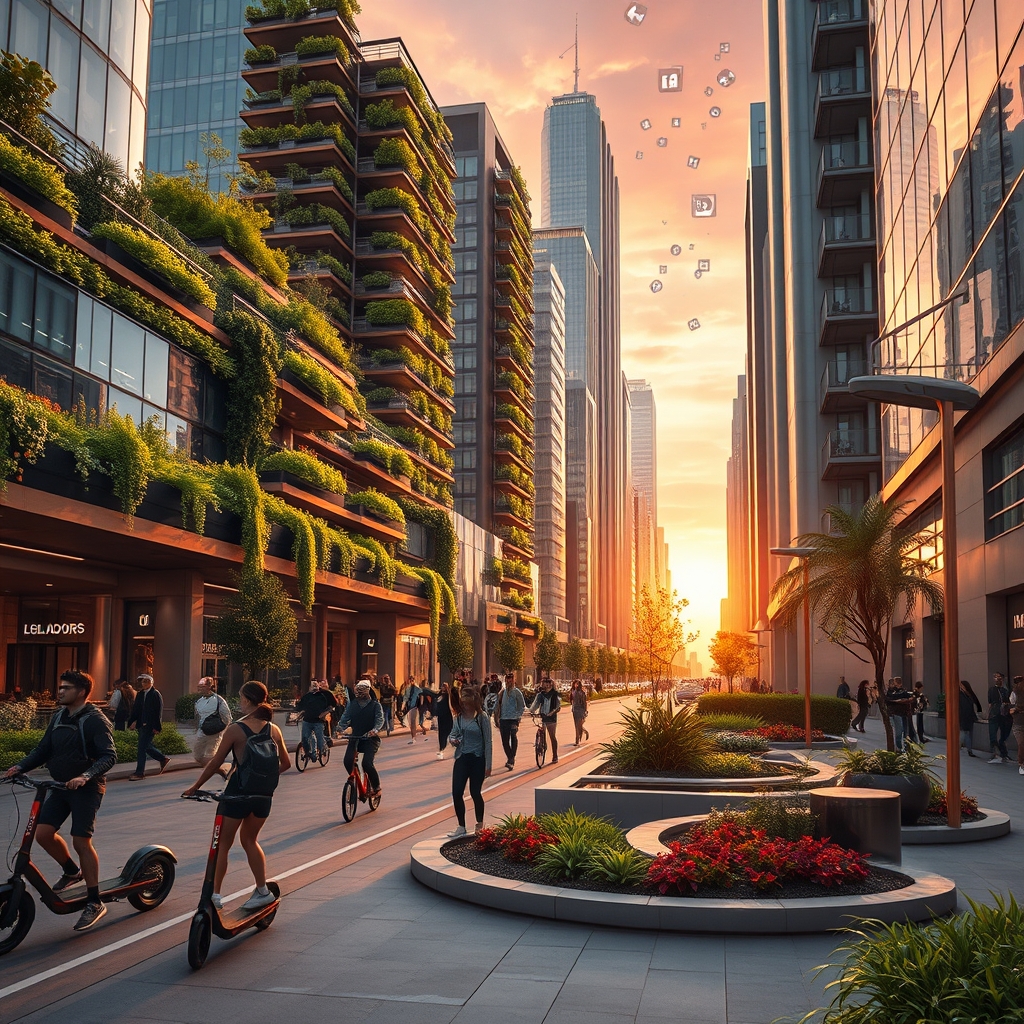
Cities are no longer just concrete jungles; they are evolving into dynamic ecosystems where technology, nature, and human connection intertwine. The rise of smart cities has introduced a new era of urban exploration, one where micro-mobility and urban greenery are not just amenities but essential components of the modern cityscape. For travelers and locals alike, this shift is redefining how we experience urban environments, turning every walk into an opportunity to discover the unseen layers of a city.
The Green Revolution in Urban Spaces
Urban greenery is no longer confined to parks and gardens. Today, cities are integrating nature into their very fabric, with vertical gardens climbing the sides of skyscrapers, rooftop farms supplying local restaurants, and pocket parks tucked between buildings. These green spaces are not just aesthetic additions; they are vital to the health and well-being of urban dwellers. Studies have shown that access to greenery reduces stress, improves air quality, and even boosts creativity. For the urban explorer, these spaces offer a refreshing contrast to the hustle and bustle of city life, providing serene pockets where one can pause, reflect, and recharge.
Cities like Singapore, with its “City in a Garden” vision, and Copenhagen, where green roofs are a standard feature, are leading the way in this movement. But even smaller cities are embracing the trend, transforming abandoned lots into community gardens and repurposing underused spaces into urban forests. These initiatives are not just about beautification; they are about creating a more sustainable and livable urban environment. For travelers, seeking out these green spaces can add a new dimension to their city break, offering a glimpse into the city’s commitment to sustainability and innovation.
Micro-Mobility: The Future of Urban Navigation
Gone are the days when getting around a city meant relying solely on cars, buses, or the metro. Micro-mobility solutions—such as e-scooters, bike-sharing programs, and electric skateboards—are revolutionizing urban travel. These options are not just convenient; they are transforming the way we interact with the city. With micro-mobility, travelers can explore at their own pace, weaving through narrow streets, discovering hidden alleys, and stopping whenever something catches their eye. It’s a far cry from the rigid schedules of public transit or the isolation of a taxi ride.
Cities like Barcelona and Paris have embraced micro-mobility, with extensive bike lanes and scooter-sharing programs that make it easy for both locals and visitors to get around. These solutions are not just for the young or the adventurous; they are becoming mainstream, with cities investing in infrastructure to support their growth. For the urban explorer, micro-mobility offers a sense of freedom and spontaneity that traditional modes of transport simply cannot match. It’s about more than just getting from point A to point B; it’s about the journey itself, the sights, sounds, and smells that make each city unique.
The Intersection of Technology and Urban Exploration
Smart cities are not just about green spaces and micro-mobility; they are also about leveraging technology to enhance the urban experience. From augmented reality (AR) apps that overlay historical information onto real-world views to smart benches that provide Wi-Fi and charging stations, technology is making cities more interactive and accessible. For the digital nomad or the tech-savvy traveler, these innovations open up new possibilities for exploration. Imagine walking through a historic district and using an AR app to see how the area looked a century ago, or finding the best street food stall through a real-time heatmap of local recommendations.
Cities like Tokyo and Seoul are at the forefront of this technological integration, with smart city initiatives that include everything from AI-powered traffic management to digital wayfinding systems. These advancements are not just for show; they are designed to make cities more efficient, sustainable, and enjoyable for everyone. For the urban explorer, technology can act as a guide, a translator, and a storyteller, enriching the experience and deepening the connection to the city.
Cultural Tourism in the Age of Smart Cities
Cultural tourism has always been about more than just visiting landmarks; it’s about immersing oneself in the local way of life. In smart cities, this immersion is taking on new forms. Local food tours, for example, are no longer just about tasting dishes; they are about understanding the stories behind them, the people who create them, and the ingredients that make them unique. Similarly, architecture walks are evolving to include not just historic buildings but also the innovative structures that define the city’s future.
Night markets, too, are becoming a key part of the cultural tourism experience. These vibrant hubs of activity offer a glimpse into the city’s nightlife, its culinary traditions, and its community spirit. In cities like Taipei and Bangkok, night markets are not just places to eat; they are social spaces where locals and visitors alike come together to celebrate the city’s culture. For the urban explorer, these experiences offer a deeper understanding of the city, one that goes beyond the surface and connects with the heart of the community.
Bleisure Travel: Blurring the Lines Between Work and Exploration
The rise of remote work has given birth to a new kind of traveler: the bleisure traveler. These individuals blend business and leisure, extending their work trips to explore the city and its surroundings. For them, the city is not just a place to work; it’s a place to live, even if only for a short time. Smart cities are catering to this trend by offering co-working spaces, digital nomad visas, and amenities that make it easy to work and explore in the same day.
Cities like Lisbon and Berlin have become hotspots for bleisure travelers, with vibrant communities of digital nomads and a wealth of cultural attractions. Boutique hotels are also playing a role in this trend, offering stylish, tech-friendly spaces that cater to the needs of the modern traveler. For the bleisure traveler, the city becomes a playground, a place where work and exploration coexist seamlessly. It’s a new way of experiencing urban life, one that values flexibility, connection, and discovery.
As cities continue to evolve, so too does the way we explore them. The integration of urban greenery, micro-mobility, and smart technology is not just changing the physical landscape of cities; it’s changing the way we experience them. For the urban explorer, this means more opportunities to connect with the city, to discover its hidden layers, and to create memories that go beyond the typical tourist trail. The city of the future is not just a place to visit; it’s a place to live, to breathe, and to explore in ways we are only beginning to imagine.


