
Whispers of the Wild: Embracing Remote Wilderness for Inner Renewal
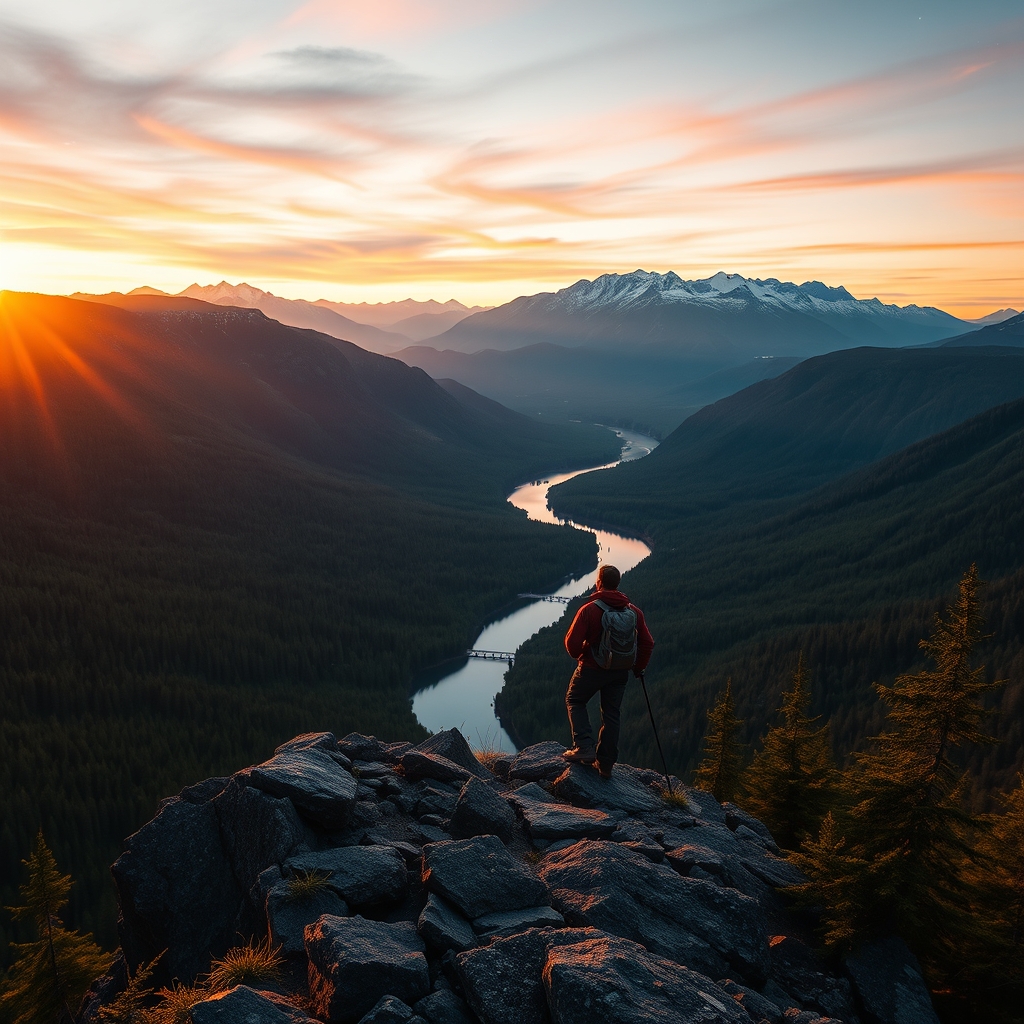
The modern world hums with a relentless rhythm—endless notifications, glowing screens, and the ceaseless chatter of urban life. For those seeking respite, the call of the wild grows louder, a siren song beckoning toward untouched landscapes where time slows and the soul breathes. Remote wilderness escapes offer more than just a break from routine; they provide a profound opportunity to reconnect with the earth’s primal beauty and, in doing so, rediscover oneself.
The Allure of the Untamed
There’s a quiet magic in places where human footprints are sparse, where the only sounds are the rustle of leaves, the rush of a distant river, or the haunting call of a night bird. National parks like Alaska’s Denali or Patagonia’s Torres del Paine stand as sanctuaries of solitude, where vast expanses of wilderness stretch beyond the horizon. These landscapes are not just destinations; they are living, breathing entities that demand presence and humility. The sheer scale of untouched nature has a way of shrinking life’s daily stresses into insignificance, reminding travelers of their place in the grand tapestry of existence.
Eco-tourism has evolved beyond mere sightseeing; it’s now a conscious choice to engage with the environment in a way that preserves its integrity. Sustainable travel practices—such as leaving no trace, supporting local conservation efforts, and choosing low-impact accommodations—ensure that these wild spaces remain unspoiled for future generations. The rise of off-grid stays, from solar-powered eco-lodges to backcountry yurts, allows adventurers to immerse themselves in nature without sacrificing comfort entirely. These retreats are designed to harmonize with their surroundings, offering a rare blend of seclusion and sustainability.
Trails That Lead to Transformation
Hiking trails are more than just paths through the woods; they are conduits for personal transformation. Whether it’s the rugged beauty of the Pacific Crest Trail, the ancient mystique of Japan’s Kumano Kodo, or the dramatic coastal walks of England’s South West Coast Path, each step taken in nature is a step away from the noise of modern life. The physical challenge of a mountain trek or a multi-day hike is often matched by the mental clarity it brings. The rhythm of walking, the fresh air filling your lungs, and the ever-changing scenery create a moving meditation that clears the mind and rejuvenates the spirit.
For those seeking a deeper connection, wildlife tourism offers a chance to witness the raw beauty of the natural world. Observing a grizzly bear fishing in a Alaskan river, tracking elephants through the savannas of Botswana, or spotting whales off the coast of Iceland are experiences that stir something primal within us. These encounters remind us of the delicate balance of ecosystems and our role as stewards of the planet. Responsible wildlife tourism prioritizes the well-being of animals and their habitats, ensuring that these moments of awe do not come at the expense of the creatures we admire.
The Healing Power of Water and Earth
Water has long been a symbol of renewal, and few experiences rival the restorative power of a scenic river or a geothermal soak. The gentle flow of a river, whether it’s the turquoise waters of Croatia’s Plitvice Lakes or the wild rapids of the Colorado River, has a way of washing away stress and inviting reflection. Geothermal bathing, found in destinations like Iceland’s Blue Lagoon or New Zealand’s Rotorua, combines the therapeutic benefits of warm mineral waters with the breathtaking beauty of volcanic landscapes. These natural spas offer a sanctuary for both body and mind, melting away tension in a setting that feels otherworldly.
Forest escapes, too, hold a unique allure. The Japanese practice of shinrin-yoku, or forest bathing, has gained global recognition for its ability to reduce stress and boost well-being. The phytoncides released by trees, the dappled sunlight filtering through the canopy, and the earthy scent of the forest floor create a sensory experience that is both grounding and invigorating. Whether it’s the towering redwoods of California, the ancient woodlands of Germany’s Black Forest, or the lush rainforests of Costa Rica, these green havens offer a refuge from the chaos of daily life.
Celestial Wonders and the Art of Slow Travel
In an age of instant gratification, slow travel is a radical act of resistance. It’s about savoring the journey as much as the destination, immersing oneself in the rhythm of a place rather than rushing through it. Remote wilderness areas are ideal for this mindful approach, where the lack of distractions allows for a deeper engagement with the environment. Whether it’s spending a week in a remote cabin, embarking on a multi-day kayaking expedition, or simply sitting by a campfire under a blanket of stars, slow travel encourages a shift in perspective—from doing to being.
For those who crave a celestial connection, stargazing in remote wilderness areas is an unforgettable experience. Far from the light pollution of cities, places like Chile’s Atacama Desert, Namibia’s Sossusvlei, or the dark skies of Canada’s Jasper National Park offer a front-row seat to the cosmos. The Milky Way stretches across the sky like a luminous river, and shooting stars streak overhead with startling frequency. These moments of celestial wonder remind us of the vastness of the universe and our fleeting place within it, fostering a sense of humility and awe.
Bringing the Wild Home
While the benefits of a wilderness escape are undeniable, not everyone can disappear into the backcountry for weeks at a time. Fortunately, elements of nature’s restorative power can be woven into daily life. A walking pad fitness routine, for instance, allows city dwellers to incorporate movement and mindfulness into their day, mimicking the rhythm of a forest hike. Even small changes—like spending time in a local park, cultivating a garden, or simply opening a window to let in fresh air—can help bridge the gap between the wild and the urban.
The lessons of the wilderness are not confined to the great outdoors; they are a mindset. It’s about embracing simplicity, finding joy in the present moment, and recognizing the interconnectedness of all living things. The wild teaches us to listen—to the wind, to the water, to the whispers of the earth—and in doing so, to listen to ourselves. In a world that often feels fragmented and fast-paced, these moments of connection are not just a luxury; they are a necessity. The wild doesn’t just offer an escape; it offers a way back to what truly matters.


