
Urban Oases: How Historic Districts and Urban Greenery Are Shaping the Future of City Walking
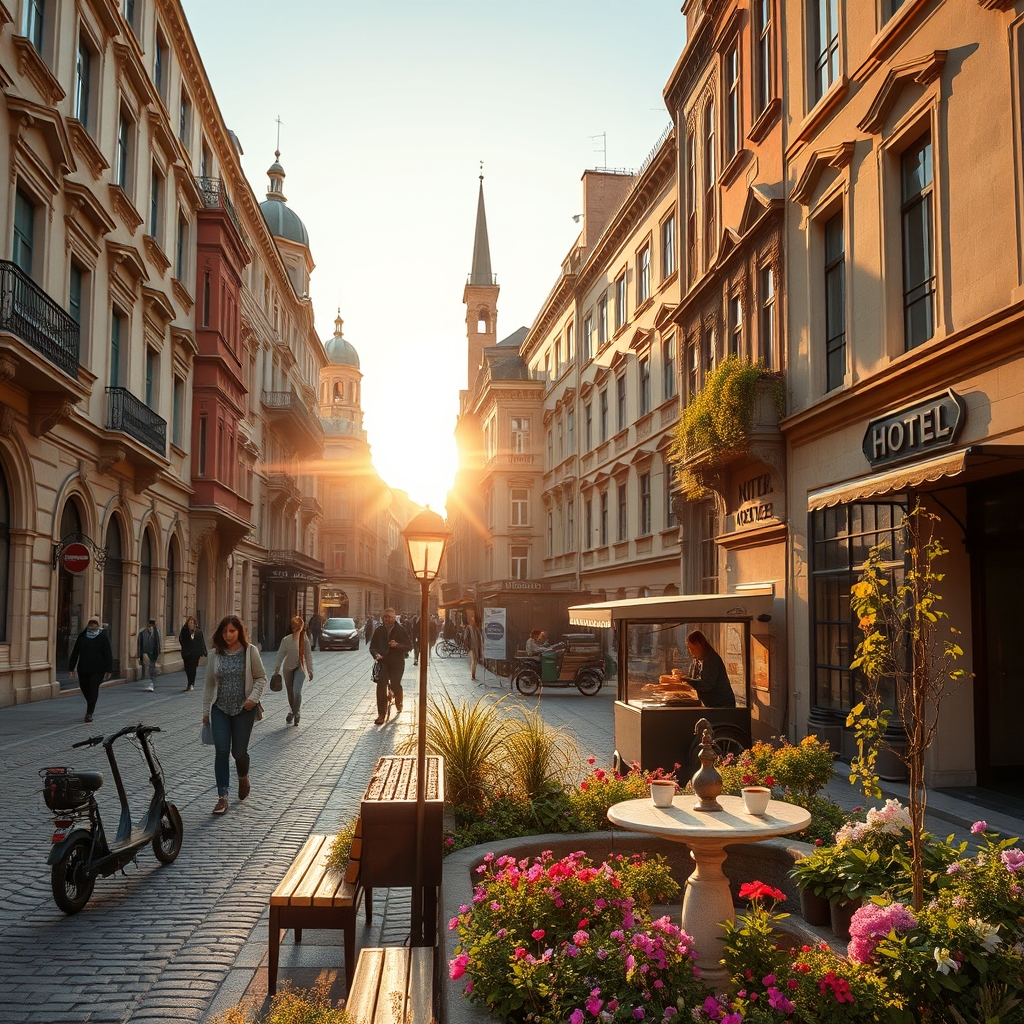
There’s something inherently magical about wandering through a city’s historic districts, where every cobblestone and weathered façade tells a story. These pockets of urban heritage are more than just relics of the past—they’re living, breathing spaces where culture, architecture, and community intersect. For modern explorers, they offer a unique lens through which to experience a city, blending the charm of yesteryear with the vibrancy of today. But what makes these districts truly special isn’t just their age; it’s how they’ve evolved to embrace the future while preserving their roots.
The Renaissance of Historic Districts
Historic districts have long been the heartbeats of cities, but in recent years, they’ve undergone a renaissance. No longer just tourist attractions, they’ve become hubs for locals and visitors alike, thanks to thoughtful revitalization efforts. Cities like Lisbon, with its Alfama district, or Boston’s Beacon Hill, have struck a delicate balance between preservation and innovation. Cobblestone streets now lead to boutique hotels and artisan cafés, while centuries-old buildings house co-working spaces for digital nomads. This fusion of old and new creates an atmosphere that’s both nostalgic and forward-thinking, making historic districts ideal for those who crave authenticity in their urban explorations.
One of the most compelling aspects of these districts is their ability to foster a sense of place. Unlike the generic skyscrapers that dominate modern cityscapes, historic neighborhoods are deeply rooted in their locale’s identity. They offer a tangible connection to the past, whether it’s through the Gothic spires of Prague’s Old Town or the colonial-era plazas of Mexico City. For travelers, this connection transforms a simple city walk into a journey through time, where every corner reveals a new layer of history.
Urban Greenery: The Unsung Hero of City Walking
While historic districts captivate with their architectural grandeur, urban greenery provides the breath of fresh air that makes city walking truly sustainable. Parks, green rooftops, and pocket gardens are no longer just aesthetic additions—they’re essential components of smart cities. They mitigate the urban heat island effect, improve air quality, and offer residents and visitors alike a respite from the concrete jungle. Cities like Singapore, with its Gardens by the Bay, and Copenhagen, with its commitment to becoming carbon-neutral, are leading the charge in integrating nature into urban planning.
For city walkers, urban greenery enhances the experience by adding variety and tranquility to the journey. A stroll through New York’s High Line, for example, offers a unique perspective on the city, blending industrial history with lush landscapes. Similarly, Tokyo’s Shinjuku Gyoen provides a serene escape from the bustling streets, proving that even in the densest urban environments, nature can thrive. These green spaces also serve as social hubs, where locals gather for picnics, yoga sessions, or simply to unwind, adding a layer of community to the urban experience.
Cultural Tourism and the Rise of the Thoughtful Traveler
The growing interest in historic districts and urban greenery is part of a broader shift in cultural tourism. Today’s travelers are no longer satisfied with superficial sightseeing; they want immersive experiences that allow them to engage with a city’s culture, history, and people. This trend has given rise to a new breed of urban explorer—one who seeks out local food tours, architecture walks, and night markets to gain a deeper understanding of their destination. Historic districts are the perfect playground for these experiences, offering a concentrated dose of culture in a walkable format.
Local food tours, in particular, have become a gateway to understanding a city’s identity. In districts like Barcelona’s Gothic Quarter or Istanbul’s Sultanahmet, food stalls and family-run restaurants serve up dishes that have been perfected over generations. These culinary experiences are more than just meals—they’re stories, passed down through recipes and shared with visitors who are eager to taste the soul of a place. Similarly, architecture walks reveal the craftsmanship and creativity that have shaped a city’s skyline, from the ornate details of Parisian Haussmann buildings to the Brutalist masterpieces of Brasília.
The Role of Public Transit in Urban Exploration
No discussion of city walking would be complete without mentioning the role of public transit. Metro systems, trams, and buses are the unsung heroes of urban exploration, making it possible to traverse vast distances without sacrificing the intimacy of a walking tour. Cities with well-connected transit networks, like Berlin or Hong Kong, allow travelers to effortlessly hop between historic districts, green spaces, and cultural hotspots. This accessibility is particularly valuable for digital nomads and bleisure travelers, who often need to balance work and exploration in a limited timeframe.
Public transit also offers a unique perspective on a city’s rhythm. A ride on the London Underground or the Tokyo Metro is a microcosm of urban life, where commuters, tourists, and locals coexist in a shared space. For the observant traveler, these moments can be as enriching as any guided tour, offering glimpses into the daily lives of the people who call the city home. And with the rise of contactless payment systems and real-time transit apps, navigating public transit has never been easier, making it an indispensable tool for modern urban explorers.
Micro-Mobility and the Future of City Breaks
As cities continue to evolve, so too do the ways we explore them. Micro-mobility—think e-scooters, bike-sharing programs, and electric skateboards—has emerged as a game-changer for city breaks. These compact, eco-friendly modes of transport are perfect for navigating historic districts and urban green spaces, offering a fun and efficient alternative to walking or public transit. In cities like Amsterdam and Copenhagen, where cycling is already a way of life, micro-mobility seamlessly integrates into the urban fabric, allowing travelers to cover more ground without sacrificing the joy of discovery.
For those who prefer to keep their feet on the ground, micro-mobility can still enhance the experience. E-scooters, for example, are ideal for zipping between points of interest in a historic district, while bike-sharing programs make it easy to explore sprawling parks or waterfront promenades. These options also align with the growing demand for sustainable travel, as they produce zero emissions and reduce reliance on cars. As cities invest in infrastructure to support micro-mobility, it’s clear that these modes of transport are here to stay, reshaping the way we experience urban environments.
At the intersection of history, nature, and innovation, today’s cities are more dynamic than ever. Historic districts remind us of the stories that have shaped our urban landscapes, while urban greenery offers a glimpse into a more sustainable future. Together, they create a tapestry of experiences that invite us to slow down, look closer, and truly engage with the places we visit. Whether you’re a digital nomad, a cultural tourist, or simply someone who loves to wander, these elements transform a city from a destination into a journey—one that unfolds step by step, discovery by discovery.


