
The Art of Slow Travel: Rediscovering the World Through Eco-Conscious Exploration
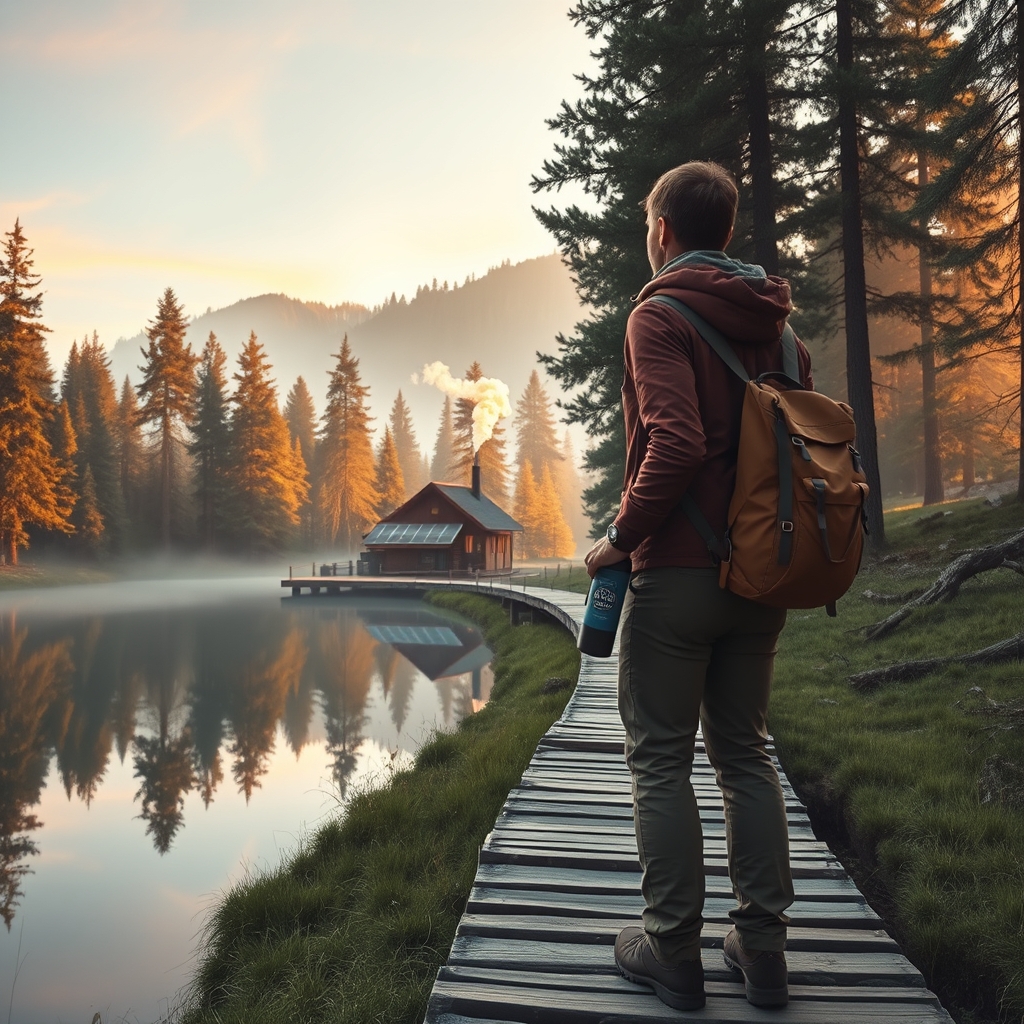
There’s a quiet revolution happening in the way we explore the world—one that rejects the frantic pace of bucket-list tourism in favor of something deeper, richer, and far more meaningful. Slow travel, an antidote to the rush of modern life, invites us to immerse ourselves in a destination’s rhythm, culture, and natural beauty rather than racing through it. It’s not just about where you go, but how you experience it: with intention, presence, and a commitment to leaving the lightest possible footprint.
The Philosophy of Slow Travel
At its core, slow travel is about savoring the journey as much as the destination. It’s a mindset that prioritizes quality over quantity, connection over consumption, and mindfulness over distraction. Unlike traditional tourism, which often treats places as checkboxes to be ticked off, slow travel encourages travelers to linger—whether that means spending a week in a single village, hiking a multi-day trail, or simply sitting by a river for hours, watching the water flow.
This approach aligns seamlessly with eco-tourism, as it naturally reduces the environmental impact of travel. Fewer flights, less waste, and a focus on local economies mean that slow travelers often leave destinations better than they found them. It’s a way of exploring that respects the planet while nourishing the soul.
Why Nature is the Ultimate Slow Travel Companion
There’s no better setting for slow travel than the great outdoors. National parks, remote wilderness areas, and coastal trails offer the perfect backdrop for unhurried exploration. Unlike crowded cities or tourist hotspots, nature moves at its own pace—one that encourages us to slow down, breathe deeply, and reconnect with the earth.
Hiking trails, in particular, are ideal for slow travelers. Each step becomes a meditation, each vista a reward for patience. Whether it’s the rugged beauty of mountain treks in Patagonia, the serene forests of the Pacific Northwest, or the dramatic coastal walks of Ireland’s Wild Atlantic Way, these landscapes demand that we engage with them fully. There’s no rushing through a forest escape or a scenic river valley; the journey itself is the destination.
The Healing Power of Wilderness Escapes
Science has long confirmed what travelers have intuitively known for centuries: time in nature is restorative. Studies show that spending even a few hours in green spaces can lower stress, improve mood, and enhance cognitive function. For those seeking a true digital detox, off-grid stays in remote wilderness areas offer the perfect opportunity to disconnect from screens and reconnect with the natural world.
Imagine waking up in a secluded cabin, the only sounds the rustling of leaves and the distant call of a bird. No notifications, no deadlines—just the quiet hum of life unfolding at its own pace. These moments of stillness are where true restoration happens, allowing us to return to our daily lives with renewed clarity and energy.
Sustainable Travel in Practice
Slow travel and sustainability go hand in hand. By choosing eco-friendly accommodations, supporting local guides, and minimizing waste, travelers can ensure their adventures have a positive impact. Many off-grid stays, for example, are powered by renewable energy, use composting toilets, and source food locally, reducing their carbon footprint while offering an authentic experience.
Wildlife tourism, when done responsibly, can also be a force for good. Observing animals in their natural habitats—whether it’s tracking gorillas in Rwanda, whale watching in Alaska, or birdwatching in the Amazon—fosters a deeper appreciation for conservation efforts. The key is to prioritize ethical operators who prioritize animal welfare and environmental protection.
How to Embrace Slow Travel in Your Next Adventure
You don’t need to book a months-long sabbatical to embrace slow travel. Even small shifts in your approach can make a big difference. Start by choosing one destination and spending more time there, rather than trying to see it all in a few days. Opt for walking or cycling over driving, and seek out locally owned businesses for meals and accommodations.
Consider a multi-day hike or a coastal walking trail, where the journey itself becomes the highlight. Pack light, bring a journal, and allow yourself to be fully present. The goal isn’t to see everything, but to experience deeply—whether that’s the taste of fresh berries picked from a trail, the warmth of a geothermal spring, or the awe of a star-filled sky in a remote wilderness.
Celestial Travel: Finding Wonder in the Night Sky
One of the most magical aspects of slow travel is the opportunity to witness the night sky in all its glory. Far from city lights, remote wilderness areas offer some of the best stargazing on Earth. Whether it’s the aurora borealis dancing over Iceland, the Milky Way stretching across the Australian Outback, or the constellations guiding hikers in the Andes, celestial travel reminds us of our place in the universe.
Many eco-lodges and off-grid stays offer astronomy tours, where guides share stories of the stars and their cultural significance. These experiences are a humbling reminder of how small we are—and how precious our planet is.
In a world that often feels like it’s moving too fast, slow travel offers a way to step off the treadmill and rediscover the joy of simply being. It’s not about escaping life, but about engaging with it more fully—one mindful step, one deep breath, one unforgettable moment at a time. The earth has so much to teach us, if only we take the time to listen.


