
The Rise of Immersive Escapes: Where Fantasy Meets Reality in Modern Leisure
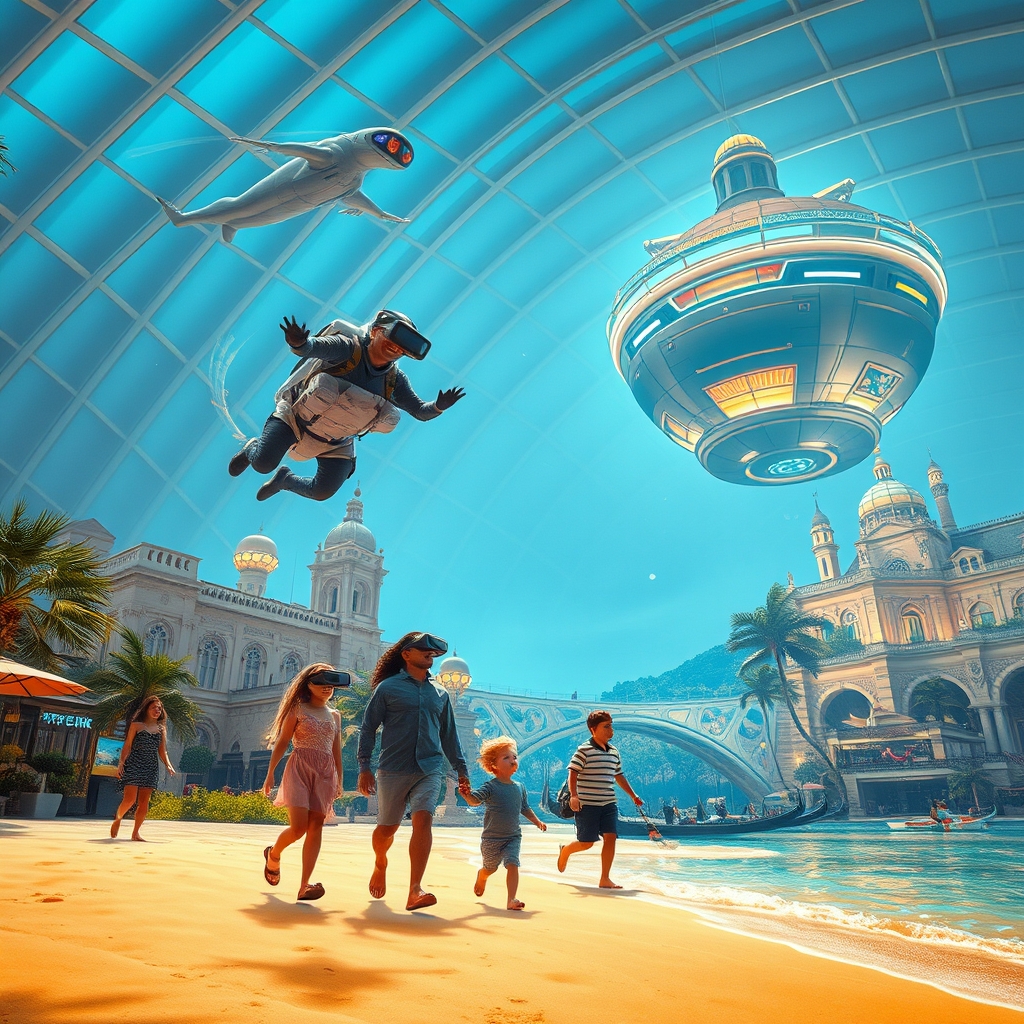
In an era where the boundaries between the real and the imagined are increasingly blurred, a new wave of leisure destinations is emerging—places designed not just to entertain, but to transport visitors into entirely new dimensions. These are not your traditional amusement parks or resorts; they are meticulously crafted experiences that leverage cutting-edge technology, architectural ingenuity, and storytelling to create worlds where fantasy feels tangible. From the depths of artificial oceans to the vastness of simulated space, these immersive escapes are redefining what it means to “get away.”
The Allure of the Unreal
What drives millions of people to seek out these fabricated realities? The answer lies in the human desire for novelty and escape. Traditional travel, while enriching, often comes with limitations—geographical constraints, weather dependencies, and the unpredictability of natural environments. Immersive leisure destinations eliminate these variables, offering controlled, repeatable, and often customizable experiences. Whether it’s walking through a replica of an ancient city, diving into a man-made lake teeming with marine life, or skiing down an indoor slope in the middle of a desert, these spaces promise adventure without the unpredictability of the real world.
One of the most compelling examples of this trend is the rise of replica cities and themed resorts. Destinations like Venetian Macao in China or The Venetian Resort in Las Vegas recreate the canals, architecture, and ambiance of Venice, complete with gondola rides and Italian-inspired cuisine. These spaces don’t just mimic a location; they distill its essence, offering a concentrated dose of culture and atmosphere. Similarly, Huis Ten Bosch in Japan replicates a Dutch town with windmills, tulip fields, and even a replica of the Royal Palace, providing a slice of Europe without the need for a transcontinental flight.
Technology as the Great Enabler
The backbone of these immersive experiences is technology. Virtual reality (VR) and augmented reality (AR) have evolved from niche gaming tools to powerful platforms for tourism and leisure. VR tourism, for instance, allows users to explore the Great Wall of China, the pyramids of Egypt, or even the surface of Mars from the comfort of a headset. Companies like Meta and HTC are pushing the boundaries of what’s possible, creating shared virtual spaces where people can interact, socialize, and explore together. Meanwhile, AR enhances physical spaces by overlaying digital information, turning a simple walk through a botanical garden into an interactive journey with holographic guides and animated flora.
Interactive museums and gaming arcades have also embraced this trend. The Museum of Ice Cream in the U.S., for example, is less about history and more about sensory immersion. Visitors don’t just observe; they taste, touch, and play their way through a world of giant sprinkles, edible installations, and Instagram-worthy backdrops. Similarly, arcades like Two Bit Circus in Los Angeles blend physical and digital play, offering multiplayer VR experiences, escape rooms, and high-tech carnival games that appeal to both children and adults.
Nature Reimagined: Artificial Ecosystems
For those who crave the outdoors but want to avoid the unpredictability of nature, artificial ecosystems provide a compelling alternative. Man-made lakes, such as Lake Las Vegas, offer the serenity of a waterfront retreat without the need to travel to a natural body of water. These lakes are often surrounded by resorts, golf courses, and recreational facilities, creating a self-contained paradise. Similarly, artificial beaches like those in Wynn Palace in Macau or Tropical Islands Resort in Germany bring the beach experience indoors, complete with sand, palm trees, and even wave machines, allowing visitors to enjoy a tropical getaway regardless of the weather outside.
Artificial reefs and botanical gardens take this concept further by recreating ecosystems that are either inaccessible or endangered. The Dubai Miracle Garden, for instance, is a sprawling oasis of over 50 million flowers arranged in intricate designs, offering a burst of color and life in the middle of the desert. Meanwhile, projects like The Ocean Cleanup’s artificial reefs demonstrate how man-made structures can support marine life, blending conservation with recreation. These spaces not only provide beauty and relaxation but also educate visitors about the importance of preserving natural habitats.
The Future of Leisure: Sci-Fi Worlds and Beyond
As technology advances, so too do the possibilities for immersive leisure. Space tourism, once the stuff of science fiction, is now on the horizon. Companies like SpaceX, Blue Origin, and Virgin Galactic are making suborbital flights a reality for private citizens, offering a glimpse of Earth from the edge of space. For those who prefer to stay grounded, sci-fi-themed resorts and attractions are bringing the cosmos to Earth. The Star Wars: Galactic Starcruiser at Walt Disney World, for example, is a fully immersive hotel experience where guests live out a two-night adventure in the Star Wars universe, complete with interactive storytelling, lightsaber training, and encounters with beloved characters.
Pop-up installations and mechanical safaris are also gaining popularity, offering temporary yet unforgettable experiences. Projects like TeamLab Planets in Tokyo create digital art spaces where visitors become part of the artwork, walking through rooms filled with interactive projections and sensory stimuli. Mechanical safaris, such as those offered by Jungle Island in Miami, use animatronic animals and immersive environments to simulate a wildlife adventure without the risks or ethical concerns of a real safari. These experiences are designed to be shareable, tapping into the modern desire for unique, Instagram-worthy moments.
The Psychology of Escape
At their core, these immersive escapes tap into deep psychological needs. They offer a sense of wonder and novelty, which are powerful antidotes to the monotony of daily life. They also provide a safe space to explore new identities and experiences. In a virtual reality game, you can be a hero, an explorer, or even a different version of yourself. In a themed resort, you can step into the shoes of a character from history or fiction. These experiences allow people to break free from their routines and, if only for a moment, live in a world where anything is possible.
Moreover, these destinations cater to the growing demand for experiential travel. Modern travelers, particularly younger generations, are less interested in passive sightseeing and more drawn to activities that engage their senses, emotions, and intellect. They want to learn, create, and connect—not just observe. Immersive leisure destinations deliver on this desire by offering hands-on, participatory experiences that leave a lasting impression. Whether it’s solving a puzzle in an escape room, creating art in a digital installation, or dining in a restaurant where the food is part of the show, these experiences are designed to be memorable and meaningful.
The rise of immersive escapes also reflects a broader cultural shift toward personalization. In a world where algorithms curate our news feeds, playlists, and shopping recommendations, people expect their leisure experiences to be tailored to their preferences as well. Theme parks like Disney World have long offered personalized experiences through tools like MagicBands, which allow visitors to customize their itineraries, reserve rides, and even unlock special interactions with characters. As technology continues to evolve, the level of personalization in leisure experiences will only deepen, making each visit feel unique and intimately connected to the individual.
As we look to the future, it’s clear that the line between reality and fantasy will continue to blur. The next generation of immersive escapes will likely incorporate even more advanced technologies, such as haptic feedback, AI-driven storytelling, and biometric integration, to create experiences that are not just visually stunning but also emotionally resonant. Imagine a theme park where the rides adapt to your mood, or a virtual reality experience that responds to your heart rate and facial expressions. These innovations will make immersive leisure even more compelling, offering escapes that are not just entertaining but also deeply personal.
Yet, as these experiences become more sophisticated, they also raise important questions about the role of reality in our lives. In a world where we can simulate any environment or scenario, what does it mean to truly experience something? Does the artificial diminish the value of the real, or does it simply offer a different kind of magic? Perhaps the answer lies in balance—using these immersive escapes to enhance our appreciation of the real world, rather than replace it. After all, the most memorable adventures are often those that challenge us, surprise us, and leave us with a sense of wonder, whether they happen in a fabricated universe or the one we call home.


