
The Rise of Destination Dupes: How Sustainable Travelers Are Discovering Hidden Luxury in Secret Islands and Tropical Escapes
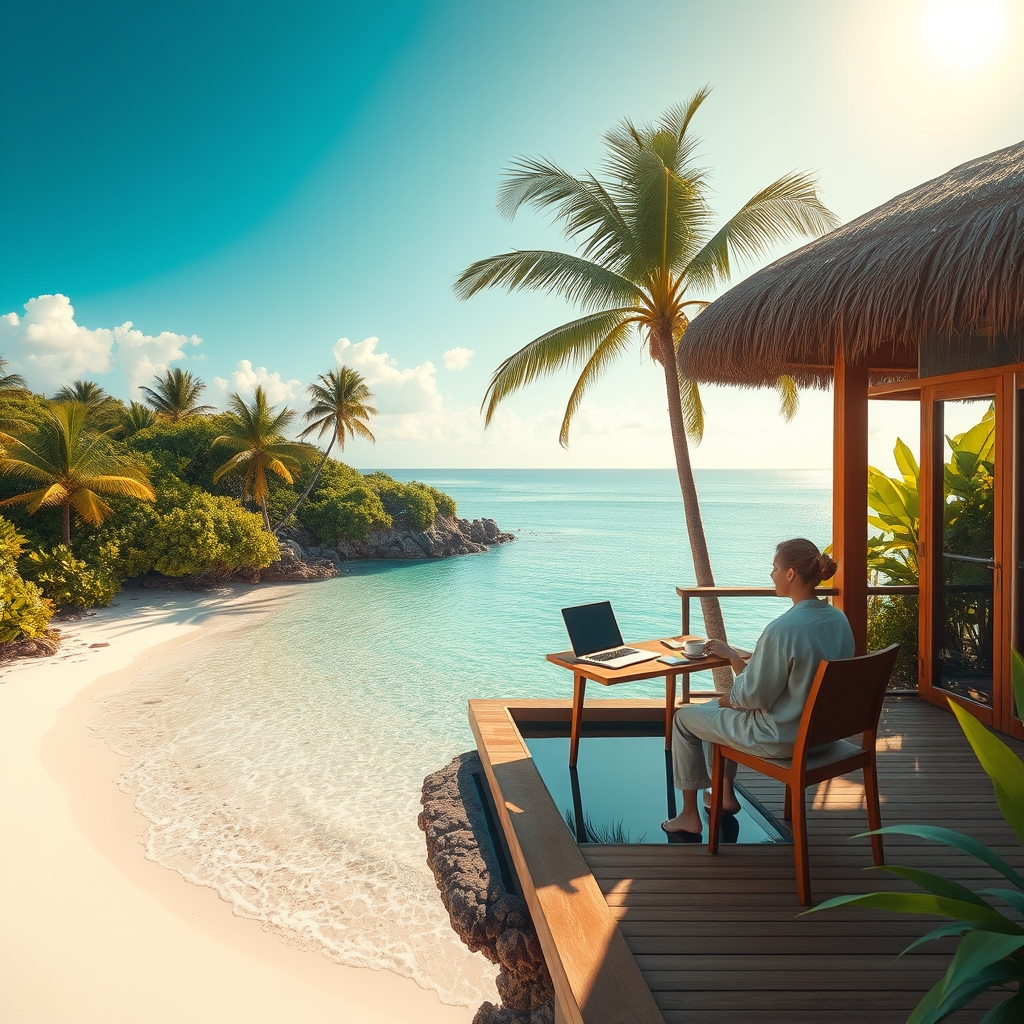
In an era where overtourism threatens the very beauty of iconic destinations, a quiet revolution is unfolding among travelers who seek luxury without the crowds—or the carbon footprint. The concept of “destination dupes”—lesser-known alternatives that offer the same allure as their famous counterparts—has gained traction, particularly among sustainable travelers, digital nomads, and wellness seekers. These hidden gems promise the same turquoise waters, pristine beaches, and cultural richness, but with a fraction of the environmental impact and a deeper connection to local communities.
The Allure of the Undiscovered
Imagine swapping the bustling shores of Bali for the untouched serenity of the Gili Islands in Indonesia, or trading the overrun beaches of Santorini for the secluded coves of Milos in Greece. These destination dupes don’t just offer a quieter escape; they provide an opportunity to experience luxury in a way that feels personal and unspoiled. Private villas with infinity pools, eco-resorts powered by renewable energy, and locally sourced farm-to-table dining are no longer exclusive to the world’s most famous hotspots. They’re thriving in these hidden corners, where sustainability and indulgence go hand in hand.
For solo travelers and digital nomads, these secret islands and tropical escapes are particularly appealing. The ability to work remotely from a beachfront villa or a jungle retreat, with reliable Wi-Fi and a community of like-minded individuals, has redefined the concept of bleisure travel. No longer do professionals need to choose between productivity and paradise; they can have both, without the guilt of contributing to overtourism.
The Sustainable Edge
One of the most compelling aspects of destination dupes is their commitment to sustainability. Many of these hidden gems are home to eco-resorts that prioritize low-impact tourism, from solar-powered energy systems to zero-waste initiatives. Unlike their more famous counterparts, which often struggle with waste management and environmental degradation, these secret islands and tropical escapes are designed to preserve their natural beauty for future generations. Travelers can enjoy the luxury of a private island or a secluded beach without leaving a heavy footprint behind.
Cultural tourism also thrives in these lesser-known destinations. Without the crowds, visitors can engage more deeply with local traditions, whether it’s learning the art of batik in a small Javanese village or participating in a traditional fishing ceremony in the Philippines. These experiences are not just about ticking off a bucket list; they’re about forming meaningful connections and supporting communities that rely on tourism in a sustainable way.
The Digital Nomad’s Paradise
For digital nomads, the appeal of destination dupes lies in their ability to blend work and wellness seamlessly. Co-working spaces with ocean views, wellness retreats offering yoga and meditation sessions, and slow travel experiences that encourage mindful movement—like walking pads integrated into resort designs—are becoming staples of these hidden escapes. The rise of “cozy cardio” and other low-impact wellness trends has made it easier than ever for remote workers to prioritize their health while exploring the world.
Island hopping, too, has taken on a new dimension in these secret destinations. Instead of rushing from one crowded island to the next, travelers can take their time, savoring each stop without the pressure of itineraries packed with tourist traps. Whether it’s exploring the hidden beaches of Thailand’s Koh Kood or the untouched beauty of Portugal’s Berlengas Islands, the focus is on quality over quantity—an ethos that aligns perfectly with the principles of slow travel.
The Future of Luxury Travel
The shift toward destination dupes is more than just a trend; it’s a reflection of a broader movement in travel. As more people seek authenticity, sustainability, and personalization, the demand for hidden luxury will only grow. These secret islands and tropical escapes offer a blueprint for the future of travel—one where indulgence doesn’t come at the expense of the planet or local communities.
What makes these destinations truly special is their ability to surprise. Unlike the well-trodden paths of popular hotspots, they invite travelers to discover something new, something untouched. Whether it’s the thrill of stumbling upon a hidden beach or the joy of sharing a meal with locals in a remote village, these experiences are the ones that linger long after the journey ends. In a world where so much has been mapped and monetized, the allure of the undiscovered remains irresistible—and for those willing to seek it out, the rewards are boundless.


