
The Rhythm of the Streets: How Night Markets and Micro-Mobility Are Redefining Urban Exploration
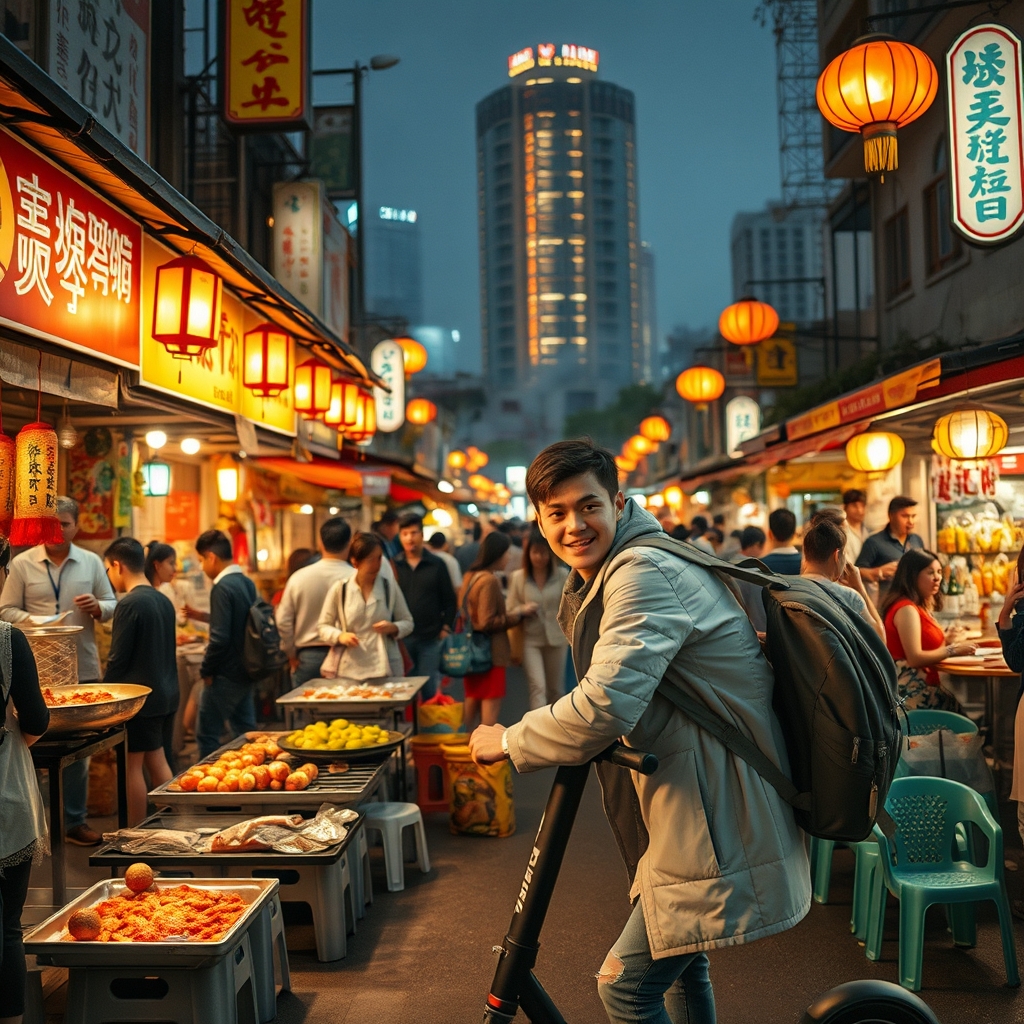
There’s something almost magical about the way a city transforms as the sun dips below the horizon. The neon signs flicker to life, the hum of daytime traffic softens into the murmur of evening conversations, and the air fills with the sizzle of street food stalls firing up for the night. For those who seek the heartbeat of a city, night markets are where the real alchemy happens—where culture, commerce, and community collide in a symphony of sights, sounds, and flavors. But to truly immerse yourself in these nocturnal wonders, you need more than just a map; you need the freedom to move at your own pace, to weave through crowds and side streets with the agility of a local. That’s where micro-mobility steps in, turning urban exploration into an adventure that’s as fluid as it is unforgettable.
The Night Market: A Feast for the Senses
Night markets are more than just places to eat—they’re living, breathing entities that pulse with the energy of the city. From the bustling Donghuamen Night Market in Beijing, where skewers of scorpions and starfish draw curious (and brave) foodies, to the vibrant Chatuchak Market in Bangkok, where the scent of lemongrass and coconut milk hangs thick in the air, these markets are a crash course in local life. They’re where you’ll find artisans hawking handmade crafts, musicians strumming guitars in the corners, and families gathering around steaming bowls of noodles, sharing stories and laughter long into the night.
What makes night markets so special is their ability to distill the essence of a city into a single, sensory-rich experience. They’re not polished or curated like tourist attractions; they’re raw, unfiltered, and endlessly fascinating. Whether you’re sampling takoyaki in Osaka, churros in Mexico City, or banh mi in Hanoi, each bite tells a story—of migration, tradition, and the relentless creativity of street vendors who turn humble ingredients into culinary masterpieces.
The Role of Micro-Mobility in Urban Exploration
But how do you make the most of these nocturnal adventures? The answer lies in micro-mobility. E-scooters, bike-sharing programs, and electric skateboards aren’t just convenient ways to get from point A to point B—they’re tools that empower you to explore cities on your own terms. Imagine gliding through the streets of Taipei on an e-scooter, the cool night air brushing against your face as you zip from one night market to another, stopping whenever something catches your eye. Or pedaling through the historic districts of Lisbon, where the golden glow of streetlights illuminates centuries-old architecture, and the sound of fado music drifts from open windows.
Micro-mobility isn’t just about speed; it’s about flexibility. It allows you to cover more ground than walking while still giving you the freedom to stop, linger, and soak in the atmosphere. It’s the difference between seeing a city and feeling it. And in an era where urban spaces are becoming increasingly congested, micro-mobility offers a sustainable, efficient way to navigate the labyrinth of streets, alleys, and hidden corners that make cities so endlessly fascinating.
Beyond the Market: The Cultural Tapestry of Nightlife
Night markets are just one thread in the rich tapestry of urban nightlife. To truly understand a city, you need to venture beyond the stalls and explore the spaces where locals unwind after dark. In Barcelona, that might mean sipping vermouth at a dimly lit bar in the Gothic Quarter, where the clink of glasses and the murmur of Catalan fill the air. In Seoul, it could be dancing the night away in a noraebang (karaoke room) or stumbling upon an impromptu street performance in Hongdae. In New Orleans, it’s the soulful wail of a trumpet echoing through the French Quarter, where jazz clubs and late-night po’boy shops keep the city alive until the early hours.
These experiences are the glue that binds a city together, the moments that turn a trip into a story worth telling. And when you combine them with the convenience of micro-mobility, you unlock a new way of traveling—one that’s spontaneous, immersive, and deeply personal. No more rigid itineraries or crowded tour buses; just you, the open road, and the endless possibilities of the night.
The Future of Urban Exploration
As cities evolve, so too does the way we explore them. Smart cities are integrating technology into the urban fabric, from app-based bike-sharing systems to AI-powered transit maps that help you navigate with ease. But at its core, urban exploration is about connection—with the people, the culture, and the rhythm of the streets. Night markets and micro-mobility are just two pieces of a larger puzzle, one that’s constantly shifting and reshaping itself as cities grow and change.
The key to unlocking the magic of urban exploration lies in embracing the unexpected. It’s about getting lost in a maze of alleyways, striking up a conversation with a street vendor, or stumbling upon a hidden courtyard where locals gather to play chess under the stars. It’s about trading the familiar for the unknown, the planned for the spontaneous, and the tourist trail for the path less traveled. And when you do, you’ll find that the city reveals itself in ways you never imagined—one night, one bite, one ride at a time.
So the next time you find yourself in a new city, don’t just follow the guidebook. Rent an e-scooter, follow the scent of grilled meat and spices to the nearest night market, and let the rhythm of the streets guide you. Because the best stories aren’t found in the places you expect; they’re hiding in the moments you never saw coming.


