
The Invisible Threads: How Public Transit and Cultural Tourism Stitch Together the Heart of a City
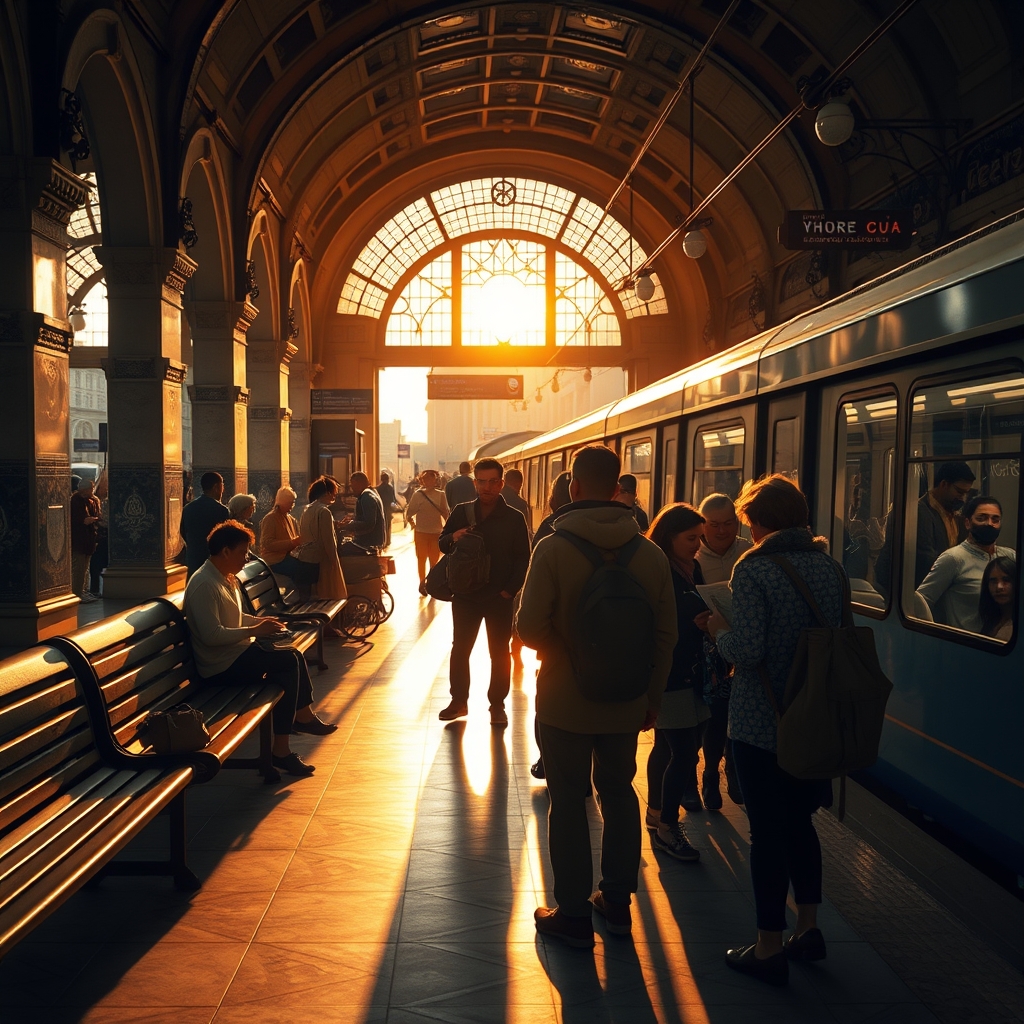
There’s something almost magical about stepping onto a metro platform in a city you’ve never visited before. The hum of the train approaching, the murmur of conversations in languages you don’t understand, the way the air shifts as the doors slide open—it’s a moment that feels like the beginning of a story. For those who crave the pulse of urban life, public transit isn’t just a way to get from point A to point B; it’s a portal into the soul of a city. It’s where locals and travelers alike become part of the same rhythm, where the mundane act of commuting transforms into an adventure of discovery.
The Metro as a Cultural Crossroads
Public transit systems are more than networks of steel and electricity; they are living, breathing entities that reflect the culture, history, and identity of a city. In Tokyo, the efficiency of the Yamanote Line mirrors the precision of Japanese society, while the graffiti-covered walls of New York City’s subway cars tell stories of artistic rebellion and urban grit. In Paris, the Metro stations themselves are works of art, with some designed in the Art Nouveau style, their ironwork and glass canopies evoking the elegance of a bygone era. To ride these systems is to witness the city in its most unfiltered form—raw, unpolished, and utterly authentic.
For cultural tourists, the metro offers an unparalleled opportunity to engage with a city’s heritage. Many transit systems double as underground museums, showcasing everything from ancient mosaics to contemporary installations. In Naples, the Toledo Metro station is a masterpiece of modern design, its deep blue walls and light installations inspired by the sea. In Stockholm, the T-Centralen station is adorned with intricate tilework that pays homage to the city’s industrial past. These spaces are not just functional; they are canvases that capture the spirit of the places they serve.
The Unscripted Encounters of City Walking
While the metro provides a structured way to navigate a city, the real magic happens when you step off the train and let your feet guide you. City walking is an art form, one that rewards curiosity and spontaneity. It’s in the narrow alleyways of Lisbon’s Alfama district, where the scent of grilled sardines mingles with the sound of fado music drifting from open windows. It’s in the neon-lit streets of Seoul’s Hongdae, where street performers and pop-up markets create a carnival-like atmosphere. It’s in the quiet courtyards of Rome’s Trastevere, where laundry hangs between buildings and nonnas gossip over espresso at corner cafés.
For those who embrace the slow pace of urban exploration, every corner holds the potential for discovery. A hidden bookstore tucked behind a bustling market, a mural that tells the story of a neighborhood’s resilience, a tiny bakery where the pastries are still made the old-fashioned way—these are the moments that turn a simple walk into a journey of connection. And when you’re moving at the speed of your own two feet, you’re not just seeing the city; you’re feeling it, breathing it, becoming a part of it.
The Role of Local Food Tours in Urban Storytelling
No exploration of a city is complete without diving into its culinary scene, and local food tours offer a delicious shortcut to understanding a place’s culture. These tours are more than just a chance to sample street food or sip wine in a historic cellar; they are narratives that weave together history, tradition, and innovation. In Mexico City, a food tour might take you through the labyrinthine aisles of Mercado de San Juan, where vendors sell everything from chapulines (grasshoppers) to artisanal cheeses, each bite a testament to the country’s rich agricultural heritage. In Singapore, a hawker center tour reveals the multicultural influences that shape the city-state’s cuisine, from Chinese dim sum to Malay satay to Indian roti prata.
Food tours also provide a platform for local voices to shine. The guides—often chefs, historians, or longtime residents—share stories that go beyond the typical tourist brochure. They might recount how a dish evolved during a period of economic hardship, or how a particular spice became a symbol of cultural identity. These stories add depth to the flavors, turning a simple meal into a lesson in history and humanity.
The Symbiosis of Transit and Tourism
Public transit and cultural tourism are not just parallel experiences; they are deeply intertwined. A well-connected transit system makes it easier for travelers to explore beyond the usual tourist hotspots, while cultural tourism can breathe new life into transit hubs, turning them into destinations in their own right. In cities like Barcelona, the metro system is designed to seamlessly connect visitors to landmarks like the Sagrada Família and Park Güell, but it also encourages exploration of lesser-known neighborhoods like Gràcia, where the pace of life slows and the vibe becomes distinctly local.
Smart cities are taking this symbiosis even further, using technology to enhance the transit-tourism experience. Mobile apps provide real-time updates on train schedules, while augmented reality features offer historical context as you move through a city. In Helsinki, the Whim app integrates public transit, bike-sharing, and ride-hailing services into a single platform, making it easier than ever for travelers to navigate the city like a local. These innovations are not just about convenience; they’re about creating a more immersive, sustainable, and inclusive way to experience urban spaces.
The Future of Urban Exploration
As cities continue to evolve, so too does the way we explore them. The rise of micro-mobility options like e-scooters and bike-sharing programs has made it easier to cover ground quickly while still maintaining the intimacy of city walking. Meanwhile, the growing popularity of bleisure travel—where business trips are extended for leisure—has led to a demand for experiences that blend productivity with exploration. Hotels and co-working spaces are responding by offering curated city guides, local partnerships, and even transit passes as part of their amenities.
Yet, amid all these changes, the essence of urban exploration remains the same: it’s about connection. Connection to the people who call a city home, to the stories etched into its streets, to the flavors that define its identity. Whether you’re hopping on a metro train in Tokyo or wandering through a night market in Bangkok, the city reveals itself to those who are willing to listen, to taste, to wander without a map. And in that act of openness, the invisible threads that stitch a city together become visible, one step at a time.
So the next time you find yourself in a new city, resist the urge to rush. Take the metro, even if it’s just for one stop. Wander down a side street that calls to you. Strike up a conversation with a vendor at a food stall. Because the heart of a city isn’t found in its grandest landmarks or its most famous attractions—it’s in the quiet moments, the unplanned detours, the shared smiles with strangers. It’s in the invisible threads that bind us all together, waiting to be discovered.


