
The Urban Explorer’s Playbook: How Digital Nomads and Street Food Are Redefining City Walking in Historic Districts
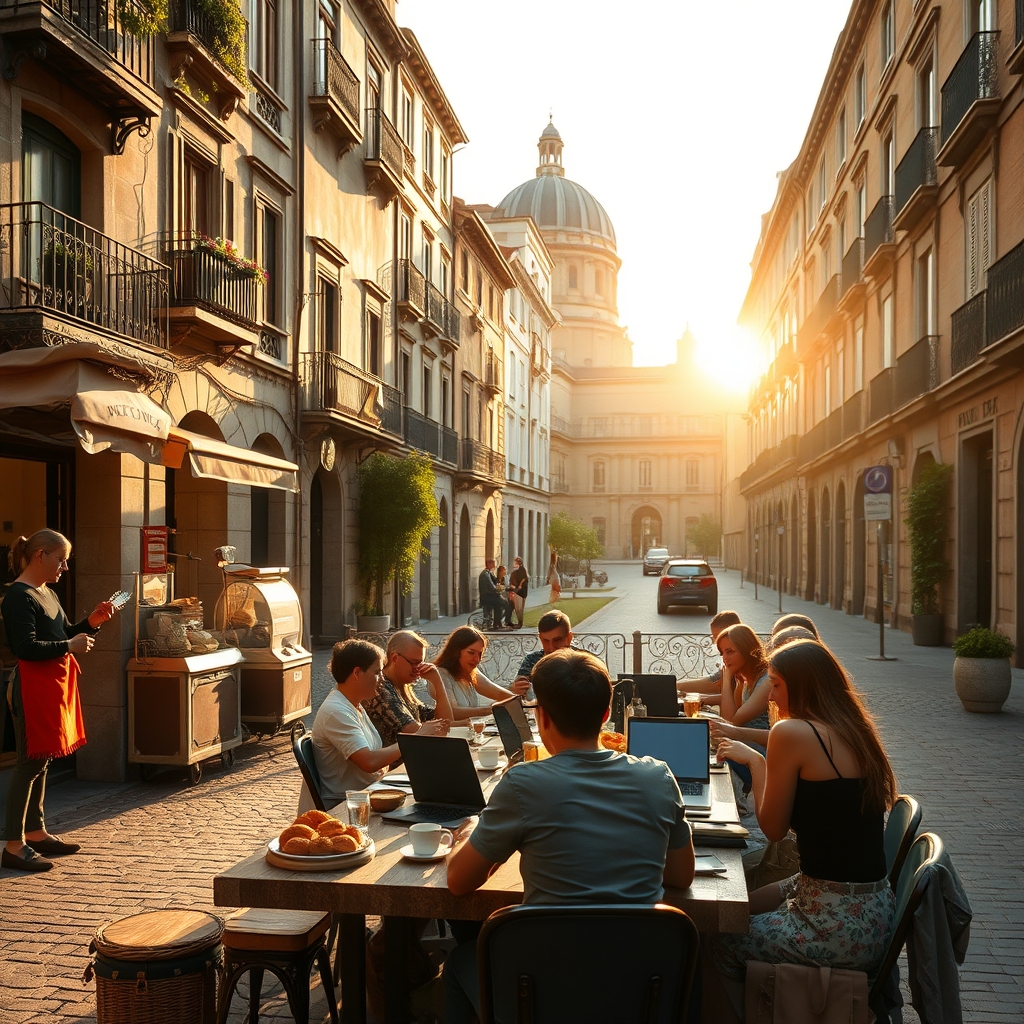
The hum of a city at dawn is unlike any other sound—subway trains rumbling beneath cobblestone streets, the distant chatter of vendors setting up stalls, and the quiet rustle of leaves in urban parks where the past and present collide. For the modern urban explorer, these moments are not just fleeting impressions but the threads that weave together a deeper, more immersive experience of a city. No longer content with skimming the surface, today’s travelers—especially digital nomads and cultural enthusiasts—are diving headfirst into the rhythm of historic districts, where every alleyway tells a story and every bite of street food is a lesson in local identity.
The Digital Nomad’s Urban Playground
Gone are the days when remote work meant being tethered to a single location. The rise of digital nomadism has transformed cities into dynamic workspaces, where cafés with strong Wi-Fi signals double as offices and rooftop bars become networking hubs. But what sets the most astute urban explorers apart is their ability to blend productivity with discovery. Historic districts, with their blend of old-world charm and modern amenities, are the perfect backdrop for this lifestyle. Imagine drafting a report in a 17th-century courtyard, where the scent of freshly baked pastries drifts from a nearby bakery, or brainstorming ideas in a repurposed industrial loft that now houses a co-working space. These spaces don’t just offer convenience; they offer inspiration, turning the act of working into an extension of the travel experience.
Cities like Lisbon, Porto, and Barcelona have become hotspots for this trend, where digital nomads flock to neighborhoods like Alfama, Ribeira, and El Born. These areas are rich in history, yet pulse with contemporary energy—think artisanal coffee shops tucked into medieval buildings or pop-up galleries in centuries-old plazas. The key to unlocking their potential lies in embracing the unexpected. A detour down a narrow side street might lead to a hidden bookstore with a view of the river, or a chance encounter with a local musician could turn into an impromptu jam session. For the digital nomad, the city isn’t just a place to work; it’s a living, breathing classroom where every corner offers a new lesson.
Street Food as a Cultural Compass
If historic districts are the canvas of urban exploration, then street food is the paint that brings them to life. More than just a quick meal, street food is a gateway to understanding a city’s soul—its history, its people, and the traditions that have shaped its identity. In cities like Bangkok, Mexico City, or Istanbul, food stalls are not just places to eat; they are institutions, passed down through generations, where recipes are guarded like family secrets. For the urban explorer, sampling these dishes is akin to reading a city’s autobiography, one bite at a time.
Take, for example, the night markets of Taipei, where the air is thick with the scent of sizzling oyster omelets and steaming bowls of beef noodle soup. Here, food isn’t just sustenance; it’s a social experience. Locals and travelers alike gather around communal tables, sharing stories and recommendations while chopsticks clatter against bowls. Similarly, in Marrakech’s Jemaa el-Fnaa, the line between performer and vendor blurs as snake charmers, henna artists, and food sellers compete for attention. The result is a sensory overload that immerses you in the city’s vibrant culture.
But street food isn’t just about the exotic. Even in cities with more subdued culinary reputations, like London or Paris, street food markets have become hubs of innovation and community. Borough Market in London, for instance, is a microcosm of global flavors, where you can find everything from British pies to Ethiopian injera. These markets are not just for tourists; they’re where locals go to reconnect with their city’s culinary roots. For the urban explorer, they offer a chance to taste the city’s evolution—how waves of immigration, trade, and cultural exchange have shaped its palate.
The Art of Mindful City Walking
Urban exploration is often romanticized as a spontaneous adventure, but the most rewarding experiences come from a blend of curiosity and intention. Mindful city walking—slowing down to observe, engage, and reflect—transforms a simple stroll into a journey of discovery. Historic districts, with their layers of history and architecture, are the perfect setting for this practice. Whether it’s tracing the Roman ruins beneath Barcelona’s Gothic Quarter or admiring the Art Nouveau facades of Brussels’ Sablon, these walks invite you to see the city as a living museum.
One of the most effective ways to practice mindful city walking is through themed explorations. Architecture walks, for example, can reveal the stories behind a city’s skyline—how a particular style reflects its economic boom, or how a building’s design was influenced by political change. In cities like Chicago or New York, skyscrapers aren’t just structures; they’re symbols of ambition and innovation. Similarly, urban greenery walks can uncover the hidden parks and gardens that offer respite from the concrete jungle. In Singapore, the Gardens by the Bay are a testament to the city’s commitment to sustainability, while in Paris, the Promenade Plantée offers a serene escape above the bustling streets.
But mindful city walking isn’t just about what you see; it’s about how you engage. Striking up a conversation with a shopkeeper, joining a local workshop, or simply sitting on a bench to people-watch can reveal insights that guidebooks often miss. These interactions humanize the city, turning it from a collection of landmarks into a community of stories. For the digital nomad, this approach can also lead to unexpected opportunities—perhaps a collaboration with a local artist or an invitation to a neighborhood festival. The city, in this sense, becomes a partner in the exploration, guiding you toward experiences you never knew you needed.
As the sun sets over a historic district, casting long shadows across centuries-old facades, it’s easy to feel a sense of connection—not just to the place, but to the people who have walked these streets before you. The digital nomad’s laptop closes, the last bite of street food is savored, and the city’s rhythm slows to a gentle pulse. Urban exploration, at its core, is about more than ticking off landmarks or snapping the perfect photo. It’s about immersing yourself in the flow of life, where every step is a conversation with the past and every meal is a celebration of the present. The city doesn’t just welcome you; it invites you to become part of its story, one mindful step at a time.


