
The Slow Lane: How Micro-Mobility and Urban Greenery Are Redefining the Art of City Walking
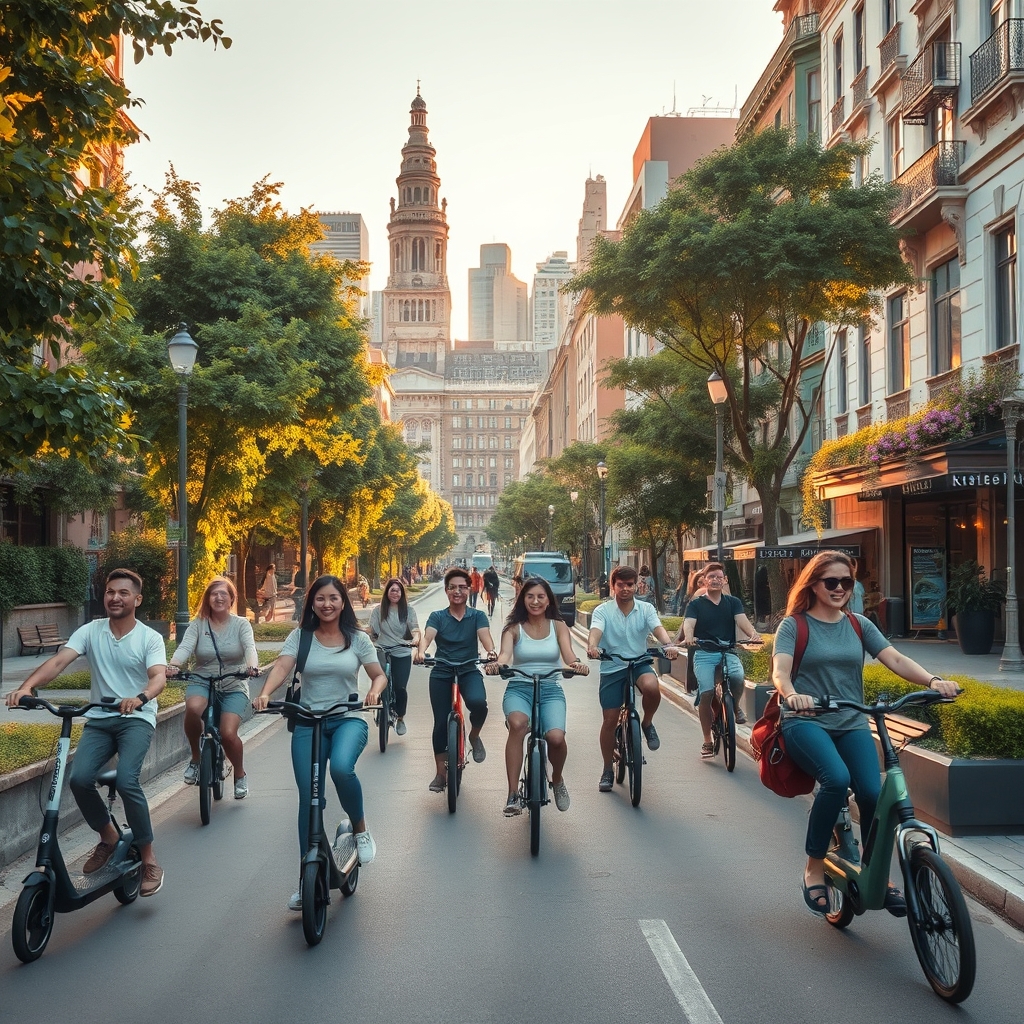
There’s a quiet revolution unfolding on the sidewalks of the world’s most vibrant cities. It’s not marked by the roar of engines or the blare of horns, but by the soft hum of electric scooters, the rhythmic spin of bicycle wheels, and the gentle rustle of leaves in urban parks. This is the era of slow travel—where the journey is just as important as the destination, and where micro-mobility and urban greenery are transforming the way we experience cities.
The Rise of Micro-Mobility: A New Way to Wander
Gone are the days when city exploration was confined to the rigid schedules of public transit or the isolating bubble of a taxi. Micro-mobility—think e-scooters, bikes, and even electric skateboards—has democratized urban movement, offering a liberating alternative to traditional transportation. These nimble vehicles allow travelers to weave through narrow alleys, pause at hidden courtyards, and discover pockets of the city that would otherwise remain unseen. For the digital nomad or the weekend city breaker, micro-mobility isn’t just a mode of transport; it’s a tool for serendipity.
Cities like Copenhagen, Amsterdam, and Barcelona have long embraced cycling as a way of life, but the trend is now spreading globally. In Lisbon, electric scooters glide past historic trams, while in Tokyo, bike-sharing programs have become a staple for locals and visitors alike. The appeal is simple: micro-mobility offers flexibility, sustainability, and a sense of adventure that cars or buses simply can’t match. It’s urban exploration on your own terms, at your own pace.
Urban Greenery: The Lungs of the City
As cities grow denser, the need for green spaces has never been more urgent. Urban greenery—whether it’s a sprawling park, a rooftop garden, or a pocket-sized community plot—serves as a vital counterbalance to the concrete jungle. These spaces are not just aesthetic enhancements; they’re essential for mental well-being, biodiversity, and even climate resilience. For the urban explorer, they offer a refuge from the hustle and bustle, a place to pause, reflect, and recharge.
Take Singapore’s Gardens by the Bay, for example. This futuristic park is a testament to how urban greenery can coexist with modern architecture, creating a harmonious blend of nature and technology. Similarly, New York’s High Line—a elevated linear park built on a historic freight rail line—has become a symbol of how cities can repurpose industrial spaces into vibrant public realms. These projects prove that urban greenery isn’t just about adding a few plants to the landscape; it’s about reimagining the city as a living, breathing ecosystem.
The Intersection of Micro-Mobility and Green Spaces
The magic happens when micro-mobility and urban greenery intersect. Imagine gliding through a city on an e-scooter, then pausing to explore a lush park or a hidden garden. This synergy creates a seamless, immersive experience that traditional tourism often overlooks. Cities like Paris have embraced this concept with open arms, integrating bike lanes with green corridors that connect parks, riversides, and historic districts. The result? A city that feels alive, dynamic, and deeply connected to its natural roots.
For the modern traveler, this blend of movement and nature offers a new way to engage with urban environments. It’s no longer about ticking off landmarks from a checklist; it’s about savoring the journey, discovering the unexpected, and forging a deeper connection with the city. Whether you’re a digital nomad seeking inspiration or a cultural tourist chasing local flavors, micro-mobility and urban greenery provide the perfect framework for exploration.
Beyond the Tourist Trail: The Joy of Slow Discovery
The allure of slow travel lies in its ability to reveal the soul of a city. It’s about lingering at a street food stall in Bangkok’s night markets, chatting with vendors and savoring flavors that can’t be replicated. It’s about wandering through historic districts in Rome or Istanbul, where every cobblestone tells a story. It’s about stumbling upon a boutique hotel in Kyoto, where the design reflects the city’s rich cultural heritage. These moments—unscripted, unhurried, and deeply personal—are what make urban exploration so rewarding.
Micro-mobility and urban greenery play a crucial role in this slow discovery. They encourage travelers to step off the beaten path, to explore neighborhoods that guidebooks often overlook. In Berlin, for instance, the Tempelhofer Feld—a former airport turned public park—offers a unique blend of history, nature, and community. Cyclists and skaters can traverse the vast open spaces, while locals picnic under the shade of trees. It’s a place where the city’s past and present collide, and where every visit feels like a new adventure.
The Future of Urban Exploration
As cities continue to evolve, so too will the ways we explore them. Smart cities are already integrating technology with urban design, creating environments that are more efficient, sustainable, and livable. Micro-mobility will play a key role in this transformation, offering eco-friendly alternatives to car-centric urban planning. Meanwhile, urban greenery will remain a cornerstone of city life, providing much-needed respite from the urban grind.
For travelers, this means more opportunities to experience cities in a way that’s authentic, immersive, and deeply personal. Whether it’s a staycation in your own city or a city break abroad, the tools for exploration are more accessible than ever. The key is to embrace the slow lane—to move with intention, to pause often, and to let the city reveal itself in its own time. After all, the best stories aren’t found in guidebooks; they’re written in the streets, the parks, and the hidden corners of the urban landscape.
The next time you find yourself in a new city, consider leaving the car behind. Rent a bike, hop on a scooter, or simply walk. Seek out the green spaces, the quiet alleys, and the local haunts. Let the city guide you, rather than the other way around. In doing so, you’ll discover that the true magic of urban exploration lies not in the destination, but in the journey itself—and in the unexpected moments that make every city unique.


