
The Art of Mindful Movement: How Walking Pads and Slow Travel Are Redefining Wellness Tourism
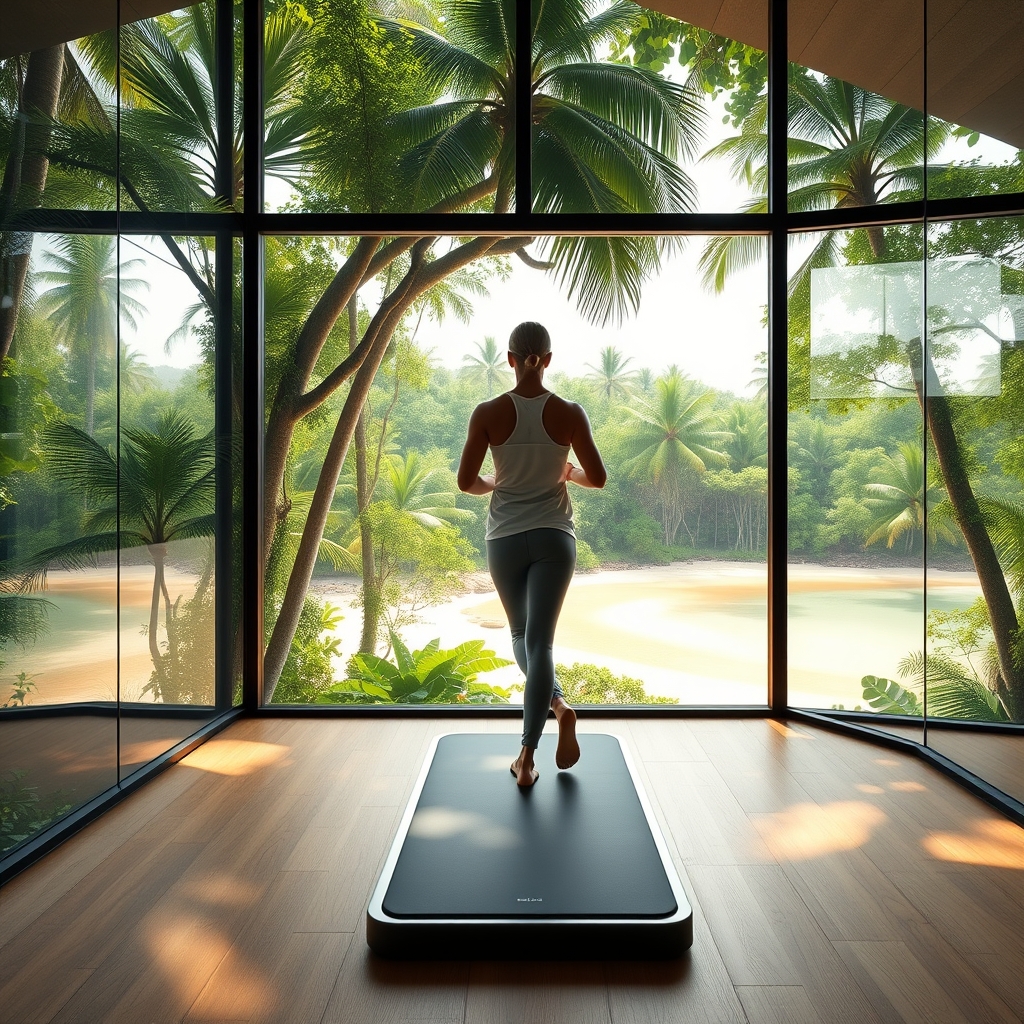
In a world where the lines between work and leisure are increasingly blurred, a new trend is emerging—one that marries the tranquility of slow travel with the mindfulness of movement. Wellness tourism is no longer just about spa retreats and yoga retreats; it’s about integrating intentional movement into every aspect of the journey. At the heart of this shift is the humble walking pad, a tool that’s transforming how travelers explore, work, and rejuvenate in some of the world’s most breathtaking destinations.
The Rise of the Walking Pad in Wellness Travel
Once confined to home offices and urban apartments, walking pads have found their way into eco resorts, luxury villas, and even private island retreats. The reason? They offer a seamless way to stay active without sacrificing productivity or comfort. For digital nomads and remote workers, the walking pad is a game-changer, allowing them to log miles while answering emails, attending virtual meetings, or brainstorming their next adventure. But beyond the practical benefits, there’s something deeply meditative about the rhythmic motion of walking—especially when surrounded by the natural beauty of a tropical escape or a hidden beach.
Eco resorts and wellness retreats are taking notice, designing spaces that encourage mindful movement. Picture this: a glass-walled studio overlooking a lush rainforest, where guests can stroll on a walking pad while soaking in the sights and sounds of nature. Or a beachfront villa with a shaded terrace, where the gentle hum of the ocean accompanies each step. These spaces aren’t just about exercise; they’re about creating a holistic experience where movement, mindfulness, and the environment harmonize.
Slow Travel: The Antidote to Modern Hustle
Slow travel has long been celebrated for its ability to deepen connections—with a place, its culture, and even oneself. But when paired with mindful movement, it becomes something even more profound. Imagine spending a month on a secret island, where your daily routine includes a sunrise walk on the beach, followed by a few miles on a walking pad while listening to the waves crash against the shore. Later, you might explore a nearby village, immersing yourself in the local culture, or simply sit in silence, watching the sunset paint the sky in hues of gold and pink.
This is the essence of slow travel: it’s not about ticking off destinations or rushing from one experience to the next. It’s about savoring each moment, whether you’re working, walking, or simply being. For solo travelers and digital nomads, this approach offers a rare opportunity to disconnect from the noise of everyday life and reconnect with what truly matters. And when movement is woven into the fabric of the journey, it becomes a form of meditation—a way to ground yourself in the present while exploring the world.
Cultural Immersion Through Movement
One of the most rewarding aspects of slow travel is the chance to engage with local communities in meaningful ways. Walking, in particular, is a universal language that transcends borders. Whether you’re strolling through a bustling market in Bali, hiking along ancient trails in Peru, or simply wandering the cobbled streets of a European village, walking allows you to experience a place at its own pace. It’s a way to observe the details—the way the light filters through the trees, the scent of street food wafting through the air, the sound of laughter from a nearby café.
Incorporating a walking pad into your travels can enhance this experience. For example, you might start your day with a walk on the pad while listening to a local podcast or language lesson, preparing yourself for the day ahead. Later, you could join a guided walking tour, where a local expert shares stories and insights that you’d never discover on your own. These moments of connection—both with the place and its people—are what make slow travel so enriching.
Wellness Tourism Reimagined
The traditional image of wellness tourism often conjures up images of silent meditation retreats or high-end spa getaways. While these experiences certainly have their place, the future of wellness tourism is far more dynamic. It’s about blending movement, mindfulness, and exploration in ways that feel authentic and sustainable. Eco resorts are leading the charge, designing programs that encourage guests to engage with their surroundings in active, meaningful ways. Think forest bathing followed by a walking meditation, or a sunrise hike capped off with a yoga session on the beach.
For those who crave adventure, wellness tourism can also include activities like kayaking through mangrove forests, snorkeling in crystal-clear waters, or even island hopping with a focus on low-impact exploration. The key is to find balance—to move in ways that nourish the body and soul while leaving a minimal footprint on the planet. This is where the walking pad comes full circle. It’s a tool that allows travelers to stay active without the need for gyms or equipment, making it perfect for remote destinations where space and resources might be limited.
The Future of Mindful Escapes
As the world becomes more connected, the desire to disconnect and reconnect with ourselves and the natural world grows stronger. Wellness tourism is evolving to meet this need, offering experiences that are as unique as the travelers who seek them. Whether it’s a digital nomad working from a private island, a solo traveler exploring hidden beaches, or a couple seeking a romantic escape in a luxury villa, the common thread is a desire for authenticity, sustainability, and mindful living.
The walking pad, once a simple piece of office equipment, has become a symbol of this shift. It represents the idea that movement doesn’t have to be separate from work, travel, or relaxation—it can be a seamless part of the journey. And when combined with the principles of slow travel, it becomes a powerful tool for transformation. So the next time you find yourself dreaming of a tropical escape or a cultural adventure, consider how you might weave movement into the experience. After all, the most memorable journeys aren’t just about where you go—they’re about how you move through the world.


