
Geothermal Wonders and Forest Whispers: A Journey into Sustainable Adventure
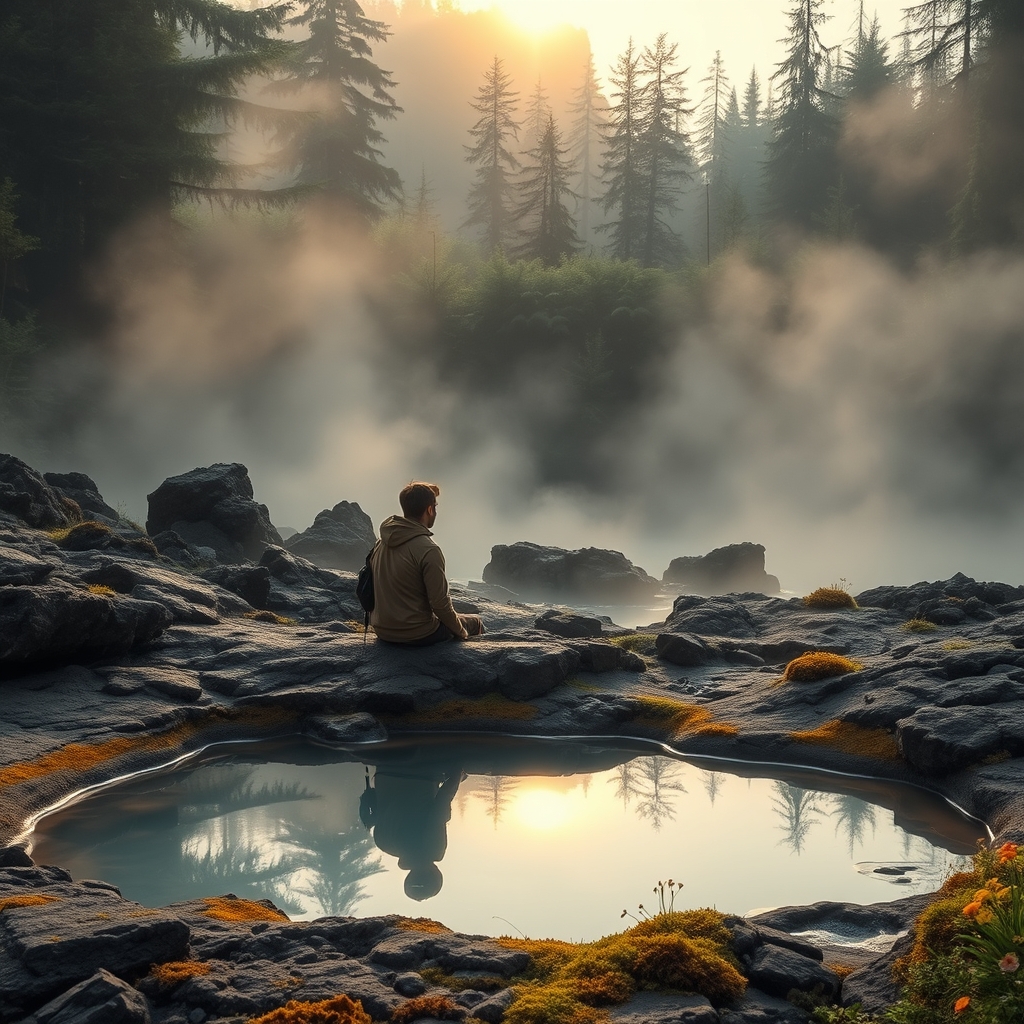
There is a quiet magic in the places where the earth breathes steam and the trees stand as ancient sentinels. These are the landscapes where geothermal energy bubbles to the surface in shimmering pools and where forests stretch endlessly, their canopies filtering sunlight into dappled gold. For travelers seeking more than just a destination—those yearning for a deeper connection to the planet—these wild, untamed corners offer something rare: a chance to step into the rhythm of nature itself.
The Allure of Geothermal Bathing
Few experiences rival the primal comfort of sinking into a natural hot spring, where mineral-rich waters soothe muscles and melt away the weight of modern life. Unlike the sterile environments of man-made spas, geothermal pools are alive with the raw energy of the earth. In places like Iceland’s Blue Lagoon or the hidden terraces of Pamukkale in Turkey, the water’s warmth is a direct embrace from the planet’s core. The steam rising against a backdrop of snow-capped peaks or emerald valleys creates a surreal contrast, as if time itself has paused to let you witness the earth’s quiet power.
But geothermal bathing is more than just relaxation—it’s a lesson in sustainability. Many of these sites operate on renewable energy, their facilities designed to leave minimal impact on the surrounding ecosystems. Travelers who choose to visit these places aren’t just indulging in luxury; they’re participating in a model of tourism that respects and preserves the very wonders they’ve come to admire. The experience becomes a dialogue with the land, a reminder that true restoration begins with harmony.
Forest Escapes: Where the Wild Things Heal
Forests have long been humanity’s sanctuary, offering shelter, sustenance, and solace. Yet in an era dominated by screens and schedules, their restorative power is often overlooked. A walk beneath towering redwoods or through a mist-laden bamboo grove isn’t just exercise—it’s a form of medicine. Studies have shown that time spent in forests lowers cortisol levels, reduces blood pressure, and even boosts immune function. The Japanese practice of shinrin-yoku, or forest bathing, isn’t about physical exertion; it’s about immersion. It’s the art of slowing down enough to hear the language of the leaves, the whisper of the wind, the distant call of a bird.
Sustainable forest escapes take this concept further by ensuring that the act of visiting doesn’t harm the very ecosystems that heal us. Eco-lodges built with reclaimed materials, trails maintained by local conservationists, and guided hikes that educate visitors on native flora and fauna—these are the hallmarks of responsible forest tourism. In places like Costa Rica’s Monteverde Cloud Forest or the ancient woodlands of Tasmania, travelers can wander without guilt, knowing their presence supports the protection of these irreplaceable landscapes.
The Call of the Wild: Hiking Trails That Tell Stories
Every hiking trail is a narrative, a path carved by time, water, and the footsteps of those who came before. Some trails, like the Pacific Crest Trail in the U.S. or the Tour du Mont Blanc in Europe, are epic sagas of endurance and discovery. Others, like the moss-covered paths of Japan’s Yakushima Island or the coastal walks of New Zealand’s Abel Tasman, are quieter tales of introspection and wonder. What they share is the ability to strip away the noise of daily life and replace it with something purer: the rhythm of your own breath, the crunch of leaves underfoot, the sudden thrill of spotting a deer or a fox in its natural habitat.
For those seeking a digital detox, few things are as effective as a multi-day trek. Without the constant ping of notifications or the glow of a screen, the mind begins to reset. The body, too, finds its natural cadence, moving in sync with the rise and fall of the terrain. And when night falls, the stars emerge in a dazzling display, unobstructed by city lights. It’s a humbling reminder of our place in the universe—small, but deeply connected to something vast and beautiful.
Off-Grid Stays: Where Time Moves Differently
There’s a growing hunger for experiences that exist beyond the reach of Wi-Fi signals and power grids. Off-grid stays—whether in a solar-powered yurt, a treehouse nestled in the canopy, or a remote cabin by a lake—offer a rare commodity: the luxury of disconnection. These places aren’t about roughing it; they’re about refining it. They prove that comfort and sustainability aren’t mutually exclusive. Rainwater showers, composting toilets, and wood-fired stoves become part of the charm, a testament to human ingenuity in harmony with nature.
What makes these stays transformative isn’t just the absence of technology, but the presence of something else: silence. Not the absence of sound, but the presence of the natural world’s symphony—the rustle of leaves, the rush of a river, the distant howl of a wolf. In this silence, the mind unwinds. Ideas that once felt urgent fade into insignificance, replaced by a deeper awareness of the present moment. It’s a reset for the soul, a chance to return to the world not just rested, but recalibrated.
Wildlife Tourism: Observing with Respect
The thrill of seeing a wild animal in its natural habitat is unmatched. Whether it’s the majestic stride of an elephant in the savannas of Kenya, the playful antics of dolphins off the coast of New Zealand, or the silent flight of an owl in a moonlit forest, these encounters leave an indelible mark. But wildlife tourism comes with a responsibility: to ensure that our presence doesn’t disrupt or endanger the creatures we’ve come to admire.
Ethical wildlife tourism prioritizes observation over interaction. It means choosing sanctuaries that rehabilitate rather than exploit, and guides who educate rather than entertain. It’s about understanding that we are visitors in someone else’s home. In places like the Galápagos Islands or the national parks of Rwanda, strict regulations ensure that wildlife thrives undisturbed. Travelers leave not just with photographs, but with a deeper appreciation for the delicate balance of ecosystems and the role we play in protecting them.
The most profound journeys into nature aren’t measured in miles or likes, but in moments—moments of stillness, of awe, of connection. They remind us that the earth is not a backdrop for our adventures, but a living, breathing entity that sustains and inspires us. To travel sustainably is to honor that relationship, to leave a place not just as you found it, but with the hope that others will have the chance to experience its magic too. In the end, the wild doesn’t just restore us; it reminds us of who we are when we strip away the noise and the haste, and stand, simply, as part of something greater.


