
The Silent Symphony: How Mountain Treks and Celestial Travel Revive the Wanderer’s Soul
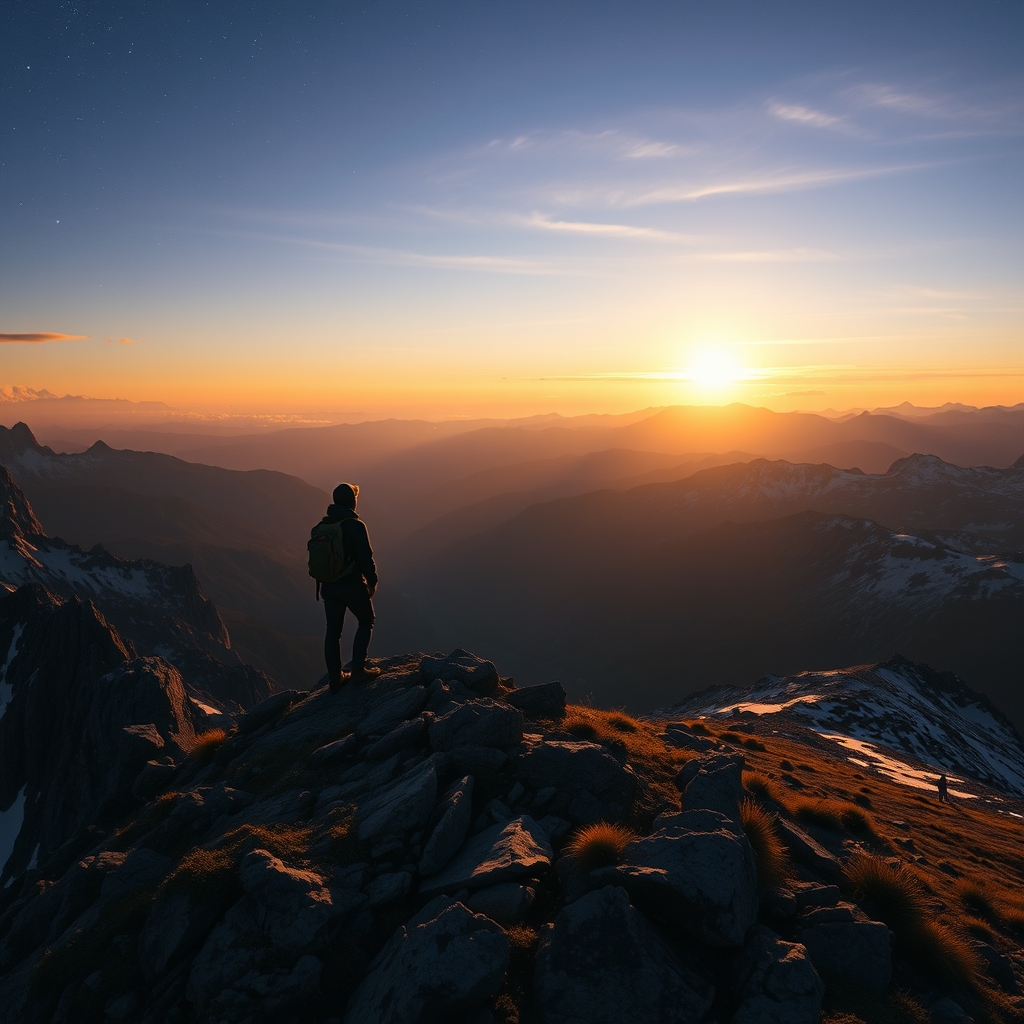
There is a quiet magic in the way the earth rises to meet the sky, where jagged peaks pierce the clouds and the air hums with the weight of ancient stones. Mountain treks are not merely physical challenges; they are pilgrimages to the edge of the known world, where every step forward peels back another layer of the modern noise that clings to us. The higher we climb, the lighter we become—not just in body, but in mind. The weight of emails, notifications, and endless to-do lists dissolves with the thinning air, replaced by the raw, unfiltered beauty of the wild.
The Call of the Untamed
For those who seek a true wilderness escape, mountains offer an unparalleled sanctuary. Unlike the gentle embrace of a forest or the rhythmic lull of a coastal walk, mountain landscapes demand presence. They do not suffer distraction lightly. A misplaced step on a rocky trail or a moment of inattention in a sudden storm can turn a journey into a test of survival. This is not a flaw but a gift. The mountains force us to shed the armor of routine and engage fully with the present, where every breath, every heartbeat, becomes part of a larger rhythm—the silent symphony of the earth.
Take, for example, the rugged trails of Patagonia, where the wind howls like a living thing and glaciers calve into turquoise lakes with a sound like thunder. Or the Himalayas, where prayer flags flutter in the thin air and the scent of juniper smoke mingles with the crispness of snow. These are not places you visit; they are places that visit you, leaving imprints on the soul long after the journey ends. The act of trekking through such landscapes is a form of eco-tourism at its purest—an immersion in nature that leaves no trace but gratitude.
The Celestial Connection
Yet the mountains are only half the story. When night falls and the last light fades from the peaks, the sky above becomes a canvas of infinite possibility. Celestial travel—the act of seeking out the darkest skies to witness the cosmos in all its glory—is the natural extension of a mountain trek. There is something profoundly humbling about standing beneath a sky ablaze with stars, where the Milky Way stretches like a river of light and the universe feels both vast and intimate. In these moments, the boundaries between self and nature blur, and we remember that we are not just observers of the world but part of it.
Places like the Atacama Desert in Chile or the high plateaus of Tibet offer some of the clearest views of the night sky on Earth. Here, far from the light pollution of cities, the stars are not distant pinpricks but living, breathing entities. The experience is akin to a digital detox for the soul. Without screens or schedules, time slows, and the mind expands to take in the enormity of existence. It is a reminder that we are made of stardust, and in the grand tapestry of the cosmos, our worries are but fleeting shadows.
Sustainable Steps Forward
Of course, the allure of such remote wilderness comes with a responsibility. Sustainable travel is not just a buzzword but a necessity if we are to preserve these sacred spaces for future generations. Choosing eco-friendly lodges, supporting local guides, and adhering to Leave No Trace principles are small but vital steps in ensuring that our adventures do not come at the earth’s expense. The goal is not to conquer the wild but to coexist with it, to walk lightly and leave only footprints in the snow.
For those who feel the pull of the mountains but are new to trekking, there are gentler ways to begin. National parks like Yosemite or the Dolomites offer well-marked trails that provide a taste of the wilderness without overwhelming the novice. Even a short hike to a scenic overlook can be transformative, offering a glimpse of the peace that comes with disconnecting from the digital world and reconnecting with the natural one. The key is to start small, to listen to the land, and to let it guide you.
The Rhythm of Slow Travel
In a world that moves at breakneck speed, the concept of slow travel is a radical act of self-care. It is about savoring the journey as much as the destination, about lingering in a mountain village to share a meal with locals or spending an extra day in a remote valley simply to watch the light change over the peaks. Slow travel is not about ticking off bucket-list items but about deepening our relationship with the places we visit—and with ourselves.
This philosophy extends beyond the mountains. Whether it’s a coastal walk along the Amalfi Coast or a forest escape in the Pacific Northwest, the principle remains the same: to move through the world with intention and reverence. It is a practice that nourishes the soul, much like the act of walking itself. Studies have shown that walking, particularly in nature, can reduce stress, improve creativity, and even boost mental clarity. It is no wonder that cultures around the world have long used walking as a form of meditation, a way to quiet the mind and open the heart.
The Unseen Rewards
The rewards of such journeys are not always immediate or tangible. They do not come with likes or shares, nor can they be measured in miles or elevation gain. Instead, they reveal themselves in the quiet moments—the first sip of tea after a long day’s hike, the warmth of a campfire under a star-studded sky, the way the morning light turns the dew on the grass into a field of diamonds. These are the gifts of the wild, the subtle alchemy that transforms a simple trek into a life-affirming experience.
And so, the mountains call to us, not with a shout but with a whisper. They invite us to step away from the noise, to trade the familiar for the unknown, and to rediscover the parts of ourselves that thrive in the wild. In doing so, we find that the greatest adventure is not the one we take outward but the one that leads us inward, to the quiet spaces where the soul remembers its true nature. The journey is not about escaping life but about returning to it, renewed and ready to meet the world with open hands and an open heart.


