
The Hidden Rhythms of Tropical Escapes: How Walking Pads and Slow Travel Are Crafting the Future of Eco-Conscious Bleisure
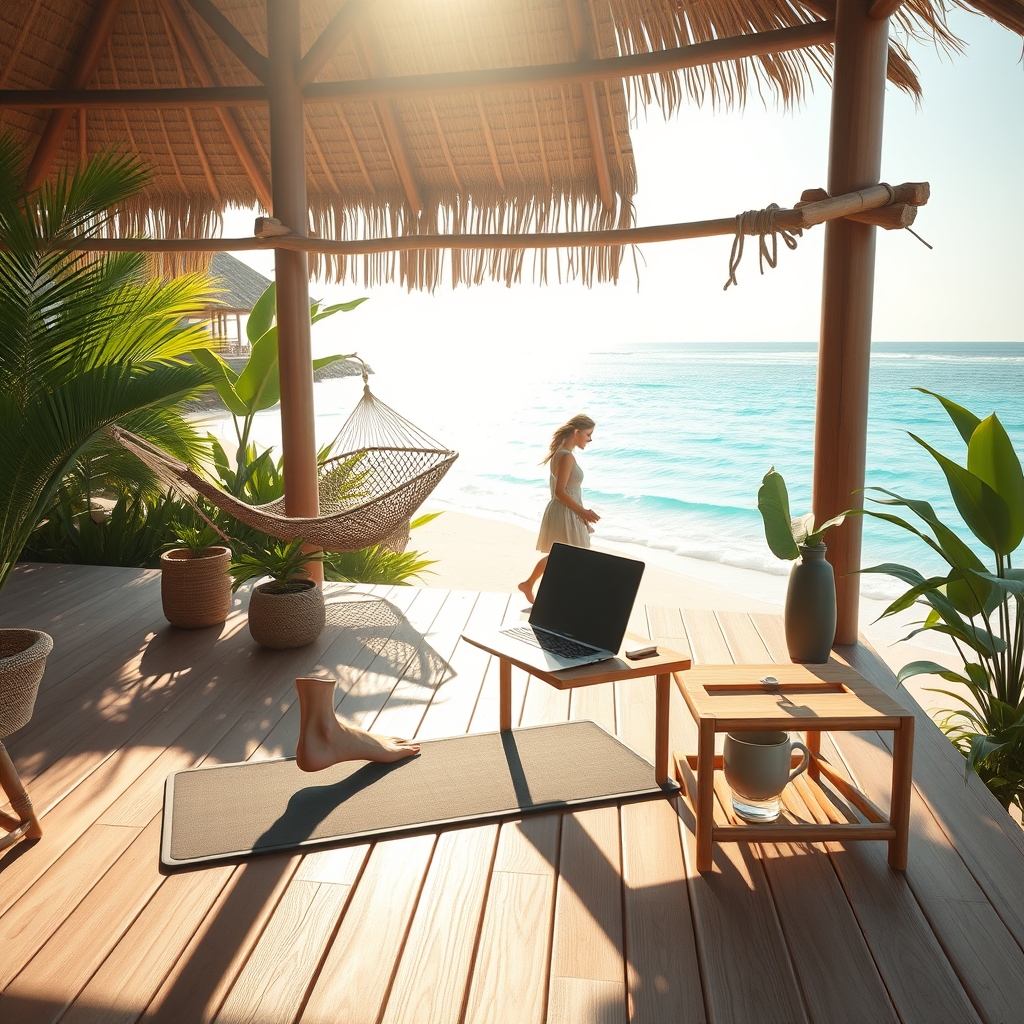
The modern traveler is no longer content with the fleeting thrill of ticking off destinations on a checklist. Instead, there’s a growing hunger for experiences that nourish the soul, respect the planet, and seamlessly blend the demands of work with the desire for exploration. This shift has given rise to a new kind of journey—one where the gentle hum of a walking pad underfoot meets the rhythmic crash of waves on a hidden beach, where the slow unraveling of a culture’s secrets intertwines with the steady pace of remote work. It’s a dance between movement and stillness, productivity and presence, and it’s redefining what it means to travel sustainably in the 21st century.
The Rise of the Eco-Conscious Bleisure Traveler
Bleisure travel—the art of combining business with leisure—has evolved far beyond the sterile confines of airport lounges and hotel conference rooms. Today’s digital nomads and remote workers are seeking destinations that offer more than just reliable Wi-Fi and a comfortable workspace. They crave environments that inspire creativity, foster well-being, and leave a minimal footprint on the earth. Eco resorts, hidden villas, and secret islands have become the new boardrooms, where the boundaries between work and leisure dissolve into a harmonious flow.
These travelers are not just passing through; they’re immersing themselves in the rhythm of a place. They wake with the sun, take mindful walks along untouched shores, and weave moments of cultural discovery into their daily routines. The walking pad, once a symbol of sedentary office life, has been reimagined as a tool for mindful movement—a way to stay active while staying connected to the world around them. It’s a small but powerful shift, one that reflects a broader transformation in how we approach travel and work.
The Walking Pad: A Symbol of Mindful Movement
In the quiet corners of eco resorts and private villas, the walking pad has found its place as an unlikely ally in the pursuit of wellness. No longer confined to urban apartments or home offices, it has become a staple for those who refuse to sacrifice their health for the sake of productivity. The gentle motion of walking while working not only combats the physical stagnation of desk-bound life but also sharpens focus and sparks creativity. It’s a practice that aligns perfectly with the principles of slow travel—encouraging presence, patience, and a deeper connection to one’s surroundings.
Imagine starting your day with a sunrise walk on a secluded beach, then transitioning to a walking pad set up on a shaded veranda overlooking the ocean. The sound of waves becomes the soundtrack to your work, the salty breeze a natural stimulant for your senses. This is the new reality for eco-conscious bleisure travelers, where wellness isn’t an afterthought but an integral part of the journey. The walking pad isn’t just a piece of equipment; it’s a bridge between the demands of modern life and the timeless allure of slow, mindful travel.
Cultural Immersion: The Heartbeat of Sustainable Travel
What sets this new wave of travel apart is its emphasis on cultural immersion. Gone are the days of superficial tourism, where travelers skim the surface of a destination without ever truly engaging with its people or traditions. Today’s explorers are seeking authentic connections—learning the local language, participating in traditional crafts, or sharing meals with families in remote villages. These experiences don’t just enrich the traveler; they also support local economies and preserve cultural heritage.
Eco resorts and hidden villas are playing a pivotal role in this shift, acting as gateways to deeper cultural experiences. Many are owned or operated by locals who are passionate about sharing their way of life with visitors. Whether it’s a cooking class led by a third-generation chef, a guided hike through ancient forests with an indigenous guide, or a sunset ceremony on a secluded beach, these moments become the highlights of the journey. They remind us that travel isn’t just about seeing new places—it’s about seeing the world through new eyes.
The Allure of Hidden Beaches and Secret Islands
In a world where over-tourism threatens some of the planet’s most beloved destinations, the appeal of hidden beaches and secret islands has never been stronger. These untouched havens offer a rare sense of solitude and serenity, where the only footprints in the sand are your own. For the eco-conscious bleisure traveler, they represent the ultimate escape—a place to disconnect from the noise of the world and reconnect with what truly matters.
Island hopping, once the domain of backpackers and luxury yachters, has been reimagined for the modern explorer. Today’s itineraries are carefully curated to minimize environmental impact while maximizing cultural and natural experiences. Travelers might spend a few days in a solar-powered eco resort, then set off on a small boat to explore nearby islands, snorkeling in pristine waters or hiking through lush jungles. The pace is unhurried, the experiences deeply personal, and the memories lasting.
Crafting the Perfect Bleisure Escape
So how does one go about crafting the perfect eco-conscious bleisure escape? It starts with a shift in mindset—viewing travel not as an escape from work but as an opportunity to integrate work into a richer, more meaningful experience. Here are a few guiding principles to consider:
- Prioritize Sustainability: Choose accommodations and tour operators that are committed to eco-friendly practices, such as renewable energy, waste reduction, and support for local communities.
- Embrace Slow Travel: Resist the urge to rush. Spend more time in fewer places, allowing yourself to truly absorb the culture, landscape, and rhythms of each destination.
- Incorporate Mindful Movement: Whether it’s a walking pad, yoga on the beach, or a morning hike, find ways to stay active that align with the natural environment.
- Seek Authentic Connections: Engage with locals, participate in cultural activities, and support businesses that are rooted in the community.
- Balance Work and Leisure: Set boundaries for work time, but also allow yourself to fully disconnect and immerse in the experience. The goal is to return home feeling refreshed, not burned out.
This approach to travel isn’t just about ticking off destinations or collecting Instagram-worthy moments. It’s about creating a life that feels as good on the road as it does at home—one where work, wellness, and wonder coexist in perfect harmony. The walking pad underfoot, the sound of waves in the distance, the taste of a meal shared with new friends—these are the moments that linger long after the journey ends.
The future of travel is not about speed or spectacle, but about depth and intention. It’s about finding the hidden rhythms of a place and allowing them to guide you, whether you’re typing away on a laptop in a tropical villa or walking barefoot along a deserted shore. In this new era of eco-conscious bleisure, the journey is no longer just a means to an end—it’s a way of life, one step at a time.


