
The Secret World of Wellness Retreats: How Eco Resorts and Slow Travel Are Crafting the Future of Mindful Rejuvenation
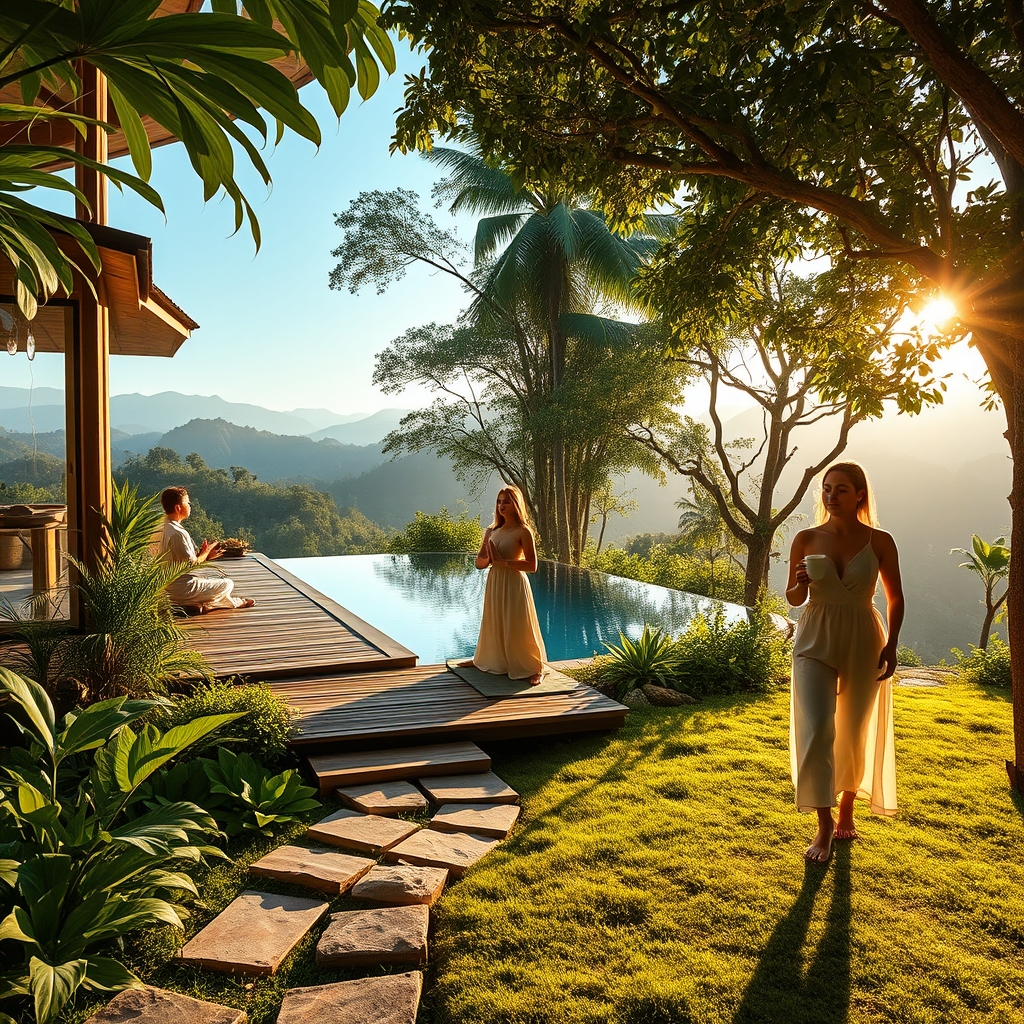
In an era where the lines between work and life blur more than ever, the quest for balance has led travelers to seek sanctuaries that nourish both body and soul. Wellness tourism is no longer confined to sterile spa resorts or fleeting weekend getaways—it has evolved into a transformative experience, deeply intertwined with sustainable practices and slow travel. The modern wellness retreat is a harmonious blend of eco-conscious design, cultural immersion, and mindful movement, offering a refuge for those who crave rejuvenation without compromising the planet.
The Rise of Eco-Conscious Wellness Retreats
The traditional wellness industry often prioritized luxury over sustainability, but a shift is underway. Today’s eco resorts are redefining what it means to indulge in self-care by integrating green architecture, renewable energy, and zero-waste policies. Imagine waking up in a villa built from reclaimed wood, surrounded by lush gardens that supply the kitchen with fresh, organic produce. These retreats are not just places to relax—they are living ecosystems where every detail, from the biodegradable toiletries to the solar-powered showers, reflects a commitment to the environment.
One standout example is the Six Senses Douro Valley in Portugal, where sustainability is woven into the guest experience. The resort’s vineyards are farmed biodynamically, and its spa treatments use locally sourced, natural ingredients. Guests are encouraged to participate in farm-to-table cooking classes, forest bathing sessions, and even beekeeping workshops—activities that foster a deeper connection to nature while promoting wellness. This holistic approach ensures that relaxation and environmental stewardship go hand in hand.
Slow Travel: The Antidote to Modern Burnout
The concept of slow travel is rooted in the idea of savoring the journey as much as the destination. For wellness seekers, this means trading rushed itineraries for immersive experiences that allow the mind and body to unwind. Instead of hopping between cities or ticking off tourist attractions, slow travel encourages staying in one place longer, engaging with local communities, and embracing the rhythm of daily life.
Consider the Kamalaya Koh Samui in Thailand, a wellness sanctuary nestled in a tropical rainforest. Here, guests are invited to disconnect from the digital world and reconnect with themselves through yoga, meditation, and holistic therapies. The resort’s programs are designed to be flexible, allowing visitors to tailor their stay to their needs—whether that means a week of silent meditation or a gentle detox paired with daily beach walks. By slowing down, travelers not only reduce their carbon footprint but also cultivate a sense of inner peace that lingers long after they return home.
The Role of Mindful Movement in Wellness Tourism
Wellness retreats are increasingly incorporating mindful movement into their offerings, recognizing that physical activity can be both invigorating and meditative. Practices like yoga, tai chi, and even cozy cardio—low-impact exercises that can be done in serene settings—are becoming staples of the eco-conscious wellness experience. These activities are not about pushing limits but about listening to the body and finding joy in movement.
At the Ananda in the Himalayas, India’s premier wellness retreat, guests can participate in sunrise yoga sessions overlooking the Ganges or embark on guided nature walks through the surrounding forests. The resort’s philosophy is simple: wellness is not a one-size-fits-all concept. Whether it’s a gentle stretch on a walking pad in a private villa or a sunrise hike to a hidden temple, the goal is to move with intention and presence. This mindful approach to fitness aligns perfectly with the principles of slow travel, where the focus is on quality over quantity.
Cultural Immersion as a Path to Wellness
True wellness extends beyond the physical—it encompasses emotional and spiritual well-being, too. Many eco resorts are now integrating cultural experiences into their wellness programs, recognizing that connection to local traditions can be profoundly healing. From cooking classes that teach ancient recipes to rituals that honor indigenous wisdom, these experiences offer a deeper understanding of the places we visit.
In Bali, the Fivelements Retreat offers a unique blend of wellness and cultural immersion. Guests can participate in traditional Balinese healing ceremonies, learn the art of batik, or even take part in a water blessing ritual at a nearby temple. These experiences are not just tourist attractions; they are opportunities to engage with the local community and gain insights into a way of life that prioritizes harmony and balance. By embracing these traditions, travelers can return home with more than just memories—they carry with them a renewed sense of purpose and connection.
The Future of Wellness Tourism: A Sustainable Legacy
The wellness tourism industry is at a crossroads. As demand for transformative experiences grows, so does the responsibility to ensure these retreats are sustainable and ethical. The future of wellness travel lies in destinations that not only heal the individual but also protect the planet and uplift local communities. This means supporting resorts that prioritize eco-friendly practices, fair wages for staff, and partnerships with local artisans and farmers.
For the modern traveler, wellness is no longer a luxury—it’s a necessity. The rise of eco-conscious retreats and slow travel reflects a broader shift in how we view self-care and exploration. By choosing destinations that align with these values, we can create a ripple effect, inspiring others to travel mindfully and leave a positive impact on the world. The next time you feel the pull of a wellness retreat, consider one that offers more than just relaxation. Seek out a place where every moment is an opportunity to nourish your soul, honor the earth, and connect with the rich tapestry of human culture. In doing so, you’ll discover that true wellness is not just about escaping the chaos of daily life—it’s about finding harmony within it.


