
The Future of Play: How Themed Environments Are Blurring the Lines Between Real and Imagined Worlds
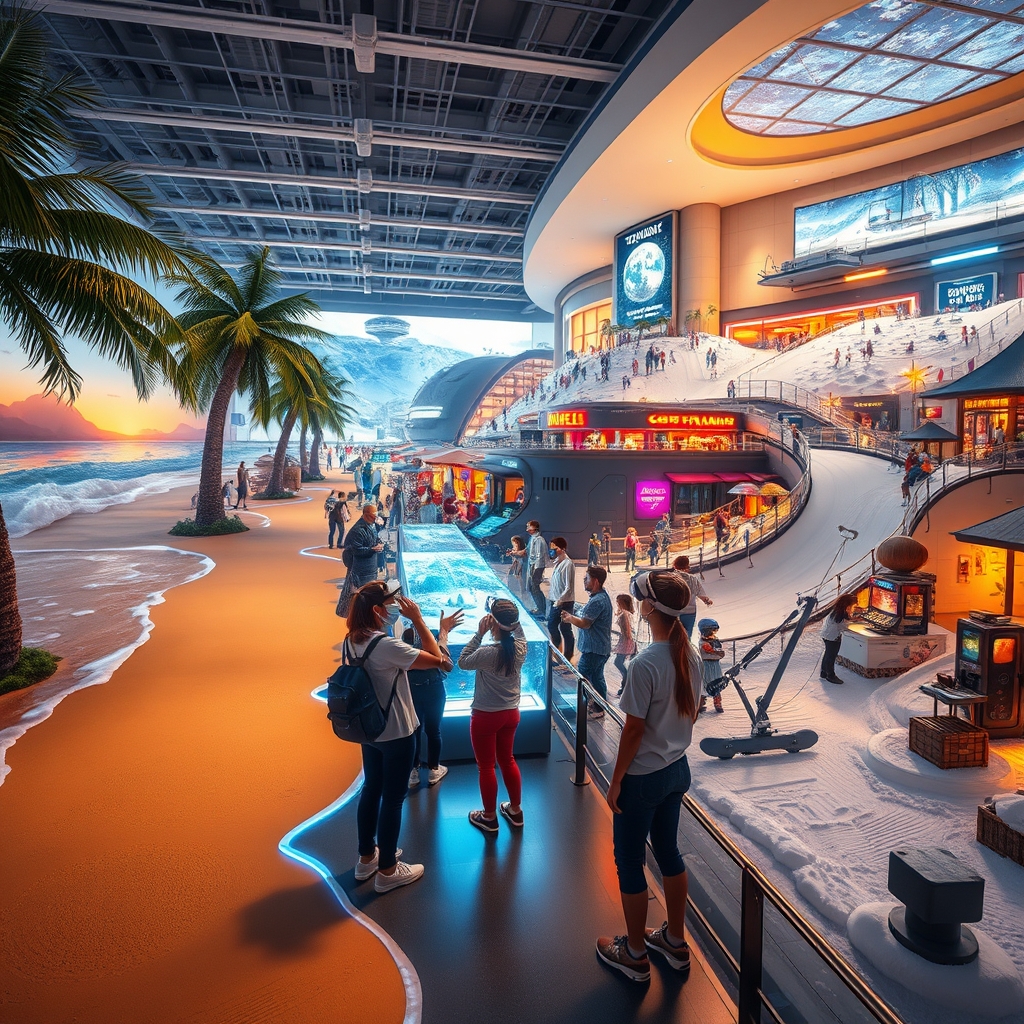
Imagine stepping into a world where the boundaries between reality and fantasy dissolve the moment you cross the threshold. The air hums with anticipation, the scent of adventure lingers, and every corner promises a new story waiting to unfold. This is not the stuff of dreams—it is the reality of modern themed environments, where innovation and imagination collide to create experiences that redefine what it means to escape, explore, and play. From the towering spires of indoor ski slopes to the vibrant, pixelated landscapes of virtual reality tourism, these spaces are not just destinations; they are gateways to entirely new dimensions of human experience.
The Evolution of Themed Escapes
The concept of themed environments is far from new. For centuries, humans have sought to recreate the wonders of the world in miniature, from the hanging gardens of Babylon to the meticulously crafted dioramas of 19th-century museums. However, the 21st century has ushered in a renaissance of these spaces, driven by advancements in technology and a growing appetite for immersive experiences. Today, themed environments are no longer static displays but dynamic, interactive worlds that engage all the senses. Whether it’s the rush of wind on your face as you zip-line through a replica jungle or the thrill of battling digital dragons in a virtual arena, these spaces are designed to make the impossible feel tangible.
Theme parks have long been the pioneers of this evolution, pushing the limits of engineering and storytelling to create larger-than-life attractions. Yet, the definition of a themed environment has expanded far beyond the confines of roller coasters and cotton candy. Modern spaces now include indoor beaches with wave machines that mimic the ocean’s rhythm, artificial reefs teeming with marine life, and even replica cities where visitors can wander through meticulously recreated streets of ancient civilizations. These environments are not just about entertainment; they are about education, conservation, and the preservation of culture in a rapidly changing world.
The Role of Technology in Crafting New Realities
At the heart of this transformation lies technology. Augmented reality (AR) and virtual reality (VR) have become the cornerstones of modern themed experiences, allowing creators to layer digital elements onto the physical world or transport visitors entirely into new realms. AR, in particular, has found a home in interactive museums and gaming arcades, where visitors can use smartphones or specialized headsets to unlock hidden stories, solve puzzles, or interact with virtual characters. Meanwhile, VR has opened the door to entirely new forms of tourism, from walking on the surface of Mars to exploring the depths of the ocean without ever leaving the comfort of a climate-controlled room.
But technology’s influence doesn’t stop at digital overlays. Mechanical safaris, for example, use animatronics and robotics to bring the thrill of a wildlife expedition to urban settings, while pop-up installations leverage projection mapping and interactive light displays to transform ordinary spaces into extraordinary spectacles. Even traditional attractions like botanical gardens are embracing innovation, using sensors and AI to create personalized experiences that adapt to visitors’ preferences and behaviors. The result is a seamless blend of the real and the imagined, where the line between observer and participant becomes increasingly blurred.
Sustainability and Ethical Considerations
As themed environments continue to grow in popularity, so too do the questions surrounding their impact on the planet and society. Artificial beaches and man-made lakes, for instance, require vast amounts of resources to maintain, raising concerns about water usage and energy consumption. Similarly, the creation of replica cities and simulated environments can sometimes lead to the commodification of culture, reducing complex histories and traditions to mere attractions. However, many innovators in this space are rising to the challenge, prioritizing sustainability and ethical design in their projects.
Indoor ski slopes, for example, are increasingly being built with energy-efficient cooling systems and recycled materials, while artificial reefs are designed to support marine ecosystems rather than disrupt them. Botanical gardens and themed resorts are also adopting eco-friendly practices, from solar-powered infrastructure to zero-waste policies. These efforts reflect a growing awareness that the future of themed environments must be as responsible as it is revolutionary. By balancing innovation with sustainability, creators can ensure that these spaces remain a source of wonder for generations to come.
The Psychology of Escape
What is it about themed environments that captivates us so deeply? Psychologists suggest that our attraction to these spaces stems from a fundamental human desire for novelty and control. In a world that often feels unpredictable and overwhelming, themed environments offer a sense of order and familiarity, even as they transport us to fantastical realms. They allow us to step outside of our everyday lives, if only for a moment, and experience the thrill of the unknown in a safe and controlled setting. This duality—of safety and adventure—is what makes them so irresistible.
Moreover, themed environments tap into our innate love of storytelling. Whether it’s the narrative arc of a roller coaster ride or the interactive quests of a gaming arcade, these spaces invite us to become active participants in the stories they tell. This engagement fosters a deeper emotional connection, making the experience more memorable and meaningful. In a way, themed environments are modern-day campfires, gathering places where we can share in the collective joy of imagination and discovery.
The Future of Themed Environments
The next frontier of themed environments is already taking shape, with advancements in AI, haptics, and biotechnology poised to take immersion to unprecedented levels. Imagine a world where your senses are not just engaged but fully replicated—where you can taste the salt of the ocean on an artificial beach or feel the heat of a desert sun in a simulated environment. Companies are already experimenting with technologies that allow users to experience physical sensations in virtual spaces, from the gentle breeze of a forest to the rumble of a spaceship’s engines. As these innovations become more accessible, the line between the real and the imagined will continue to blur, opening up new possibilities for exploration and play.
Space tourism, too, is on the horizon, with companies like SpaceX and Blue Origin racing to make commercial space travel a reality. While the idea of vacationing among the stars may still seem like science fiction, the rapid pace of technological advancement suggests that it may not be long before we can book a trip to a lunar resort or a zero-gravity theme park. Closer to home, the rise of capsule hotels and theme resorts offers a glimpse into the future of hospitality, where every stay is an opportunity to step into a new world, whether it’s a futuristic pod in Tokyo or a medieval castle in Europe.
As we stand on the cusp of this new era, one thing is clear: themed environments are no longer just a form of entertainment. They are a testament to human ingenuity, a celebration of our boundless imagination, and a reminder that the world we inhabit is only limited by the stories we dare to tell. Whether we find ourselves wandering through a replica city, diving into a virtual ocean, or gazing at the stars from a space hotel, these spaces invite us to dream bigger, explore further, and embrace the endless possibilities of what could be. The future of play is not just about escaping reality—it’s about redefining it, one immersive experience at a time.


