
From Pixels to Paradise: How Themed Environments Are Redefining the Art of Escape
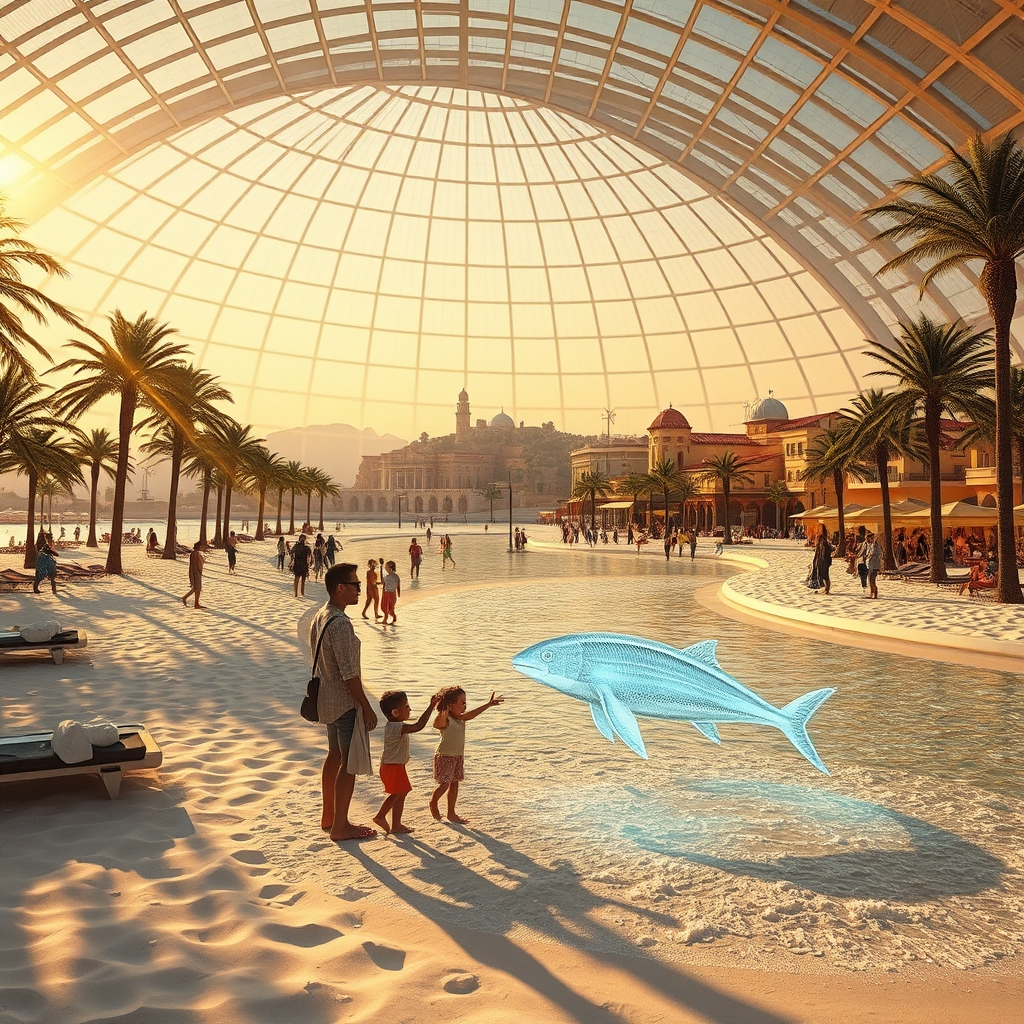
Imagine stepping into a world where the boundaries of reality blur, and every sense is engaged in an orchestrated symphony of wonder. Themed environments, once relegated to the pages of science fiction, are now a tangible reality, offering experiences that transcend traditional travel and leisure. These meticulously crafted spaces invite visitors to leave the mundane behind and immerse themselves in narratives that are as limitless as human imagination. From the shimmering waters of artificial beaches to the towering spires of replica cities, the evolution of these destinations is not just changing how we play—it’s redefining what it means to escape.
The Alchemy of Immersion: Crafting Worlds from Scratch
At the heart of every unforgettable themed environment lies a deep understanding of immersion. Designers and creators don’t just build spaces; they engineer emotions, weaving together architecture, technology, and storytelling to create a seamless experience. Take, for example, the rise of indoor slopes, where snow-covered mountains are replicated with such precision that skiers and snowboarders forget they’re indoors. These environments rely on advanced climate control, artificial snow machines, and even scent diffusers to mimic the crisp, pine-scented air of a real alpine landscape. The result? A winter wonderland that exists year-round, regardless of the weather outside.
Similarly, artificial beaches have become a marvel of modern engineering, offering sun-seekers the perfect coastal getaway without the unpredictability of tides or weather. Using wave machines, imported sand, and even saltwater systems, these man-made paradises recreate the sensation of lounging by the ocean. Some, like the famous Waves in Germany, go a step further by incorporating underwater lighting and soundscapes to enhance the illusion. It’s not just about replicating nature—it’s about perfecting it, curating an experience that’s free from the imperfections of the real world.
When Technology Meets Tradition: The Role of AR and VR
While physical themed environments offer tangible escapes, the integration of augmented reality (AR) and virtual reality (VR) is pushing the boundaries even further. These technologies allow creators to layer digital narratives onto physical spaces, transforming static attractions into dynamic, interactive adventures. Imagine walking through a botanical garden where AR glasses reveal hidden stories about the plants, or exploring a replica city where historical events unfold before your eyes through holographic projections. The possibilities are endless, and the line between observer and participant is dissolving.
VR, in particular, has opened the door to experiences that would be impossible in the real world. Space tourism, once the domain of billionaires, is now accessible to anyone with a VR headset. Companies like SpaceVR and Blue Origin are offering simulated spaceflights that allow users to float in zero gravity, gaze at Earth from orbit, and even walk on the surface of Mars. These experiences don’t just simulate space—they evoke the awe and wonder of the cosmos, making the impossible feel within reach.
Beyond the Physical: The Rise of Narrative-Driven Escapes
Themed environments are no longer just about aesthetics; they’re about storytelling. Modern attractions are designed to be more than just visually stunning—they’re emotionally compelling, drawing visitors into narratives that unfold as they explore. Interactive museums, for example, are moving away from passive exhibits and toward hands-on, immersive experiences. The Museum of Ice Cream in the U.S. doesn’t just display artifacts; it invites visitors to step into a world of sweetness, where every room is a new chapter in a whimsical story. From sprinkle pools to edible installations, the museum blurs the line between art and experience, making every visitor a part of the narrative.
Gaming arcades have also evolved into narrative-driven spaces, where players don’t just play games—they live them. Escape rooms, for instance, have grown from simple puzzle-solving exercises into elaborate, themed adventures that transport players to everything from haunted mansions to futuristic space stations. The success of these experiences lies in their ability to make players feel like the heroes of their own stories, where every decision and action shapes the outcome. It’s a level of engagement that traditional arcades could never achieve.
The Future of Themed Environments: Where Do We Go from Here?
As technology continues to advance, the potential for themed environments is expanding in ways we’ve only begun to imagine. Artificial intelligence (AI) is poised to play a significant role, enabling attractions to adapt in real-time to visitors’ preferences and behaviors. Imagine a theme park where the rides and experiences evolve based on your mood, or a virtual safari where the animals react to your presence as if you were truly there. The possibilities for personalization are endless, and the experiences will become even more immersive and tailored to individual desires.
Another exciting frontier is the concept of pop-up installations, which bring themed experiences to unexpected locations. These temporary attractions, often blending art, technology, and storytelling, create a sense of urgency and exclusivity. From floating gardens on man-made lakes to sci-fi worlds that appear overnight in urban spaces, pop-up installations are redefining what it means to seek out adventure. They remind us that escape doesn’t always require a plane ticket—sometimes, it’s right in our own backyard, waiting to be discovered.
Themed environments are more than just a trend; they’re a testament to humanity’s enduring desire to explore, imagine, and escape. Whether through the meticulous replication of natural wonders or the boundless creativity of digital worlds, these spaces offer something that traditional travel often cannot: a sense of control, a break from reality, and the opportunity to step into a story. As technology and storytelling continue to intertwine, the line between the real and the imagined will only grow thinner, inviting us to dream bigger and explore further than ever before. The next great adventure isn’t just out there—it’s being built, one pixel, one wave, and one story at a time.


