
The Alchemy of Escape: How Engineered Wonderlands Are Redefining Human Experience
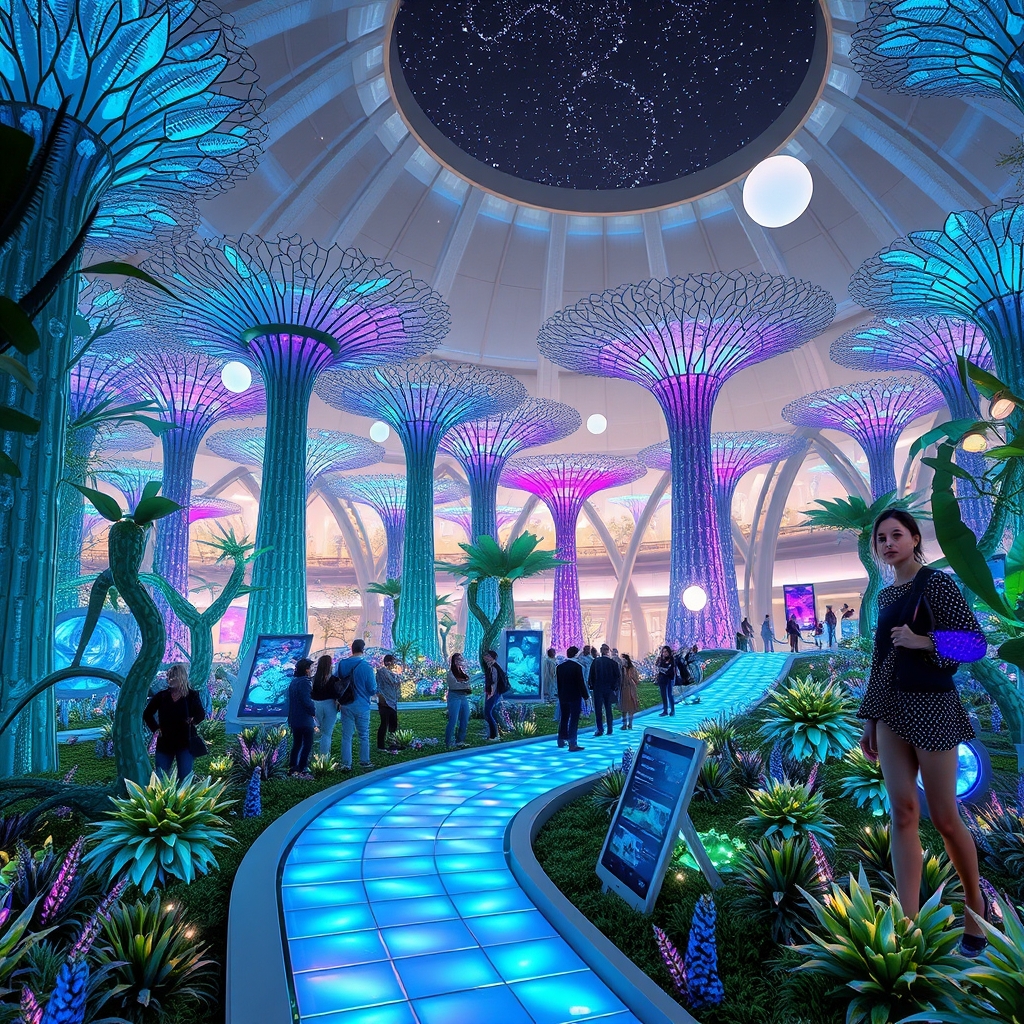
The line between the natural and the constructed has never been more fluid. Where once travel was defined by the discovery of untouched landscapes or the exploration of ancient cities, today’s most compelling destinations are often those that have been meticulously designed to evoke wonder, nostalgia, or even the impossible. These are not places stumbled upon by chance but environments sculpted with intention, where every sensory detail is calibrated to transport visitors into another realm. The rise of engineered wonderlands—spaces that blend technology, artistry, and storytelling—has redefined what it means to escape, offering experiences that are as much about emotional resonance as they are about physical presence.
The Psychology of Curated Wonder
What is it about stepping into a space that feels entirely *other* that captivates us so deeply? The answer lies in the way these environments engage our brains. Neuroscientists have long studied the concept of “flow”—a state of complete immersion where time seems to dissolve, and the outside world fades away. Engineered wonderlands are masterclasses in inducing this state, using a combination of architecture, lighting, sound, and even scent to create a multisensory cocoon. Take, for example, the otherworldly glow of a bioluminescent botanical garden, where genetically modified plants pulse with an eerie, electric light. Or the hushed, snow-dusted silence of an indoor ski slope in the middle of a desert metropolis. These spaces don’t just mimic nature; they distill it into its most potent, dreamlike essence, offering a version of reality that feels both familiar and fantastical.
But the allure goes deeper than mere novelty. Psychologists suggest that these environments tap into a fundamental human desire for *agency*—the ability to shape one’s own experience. In a world where so much of modern life is dictated by algorithms, schedules, and external expectations, engineered wonderlands provide a rare sense of control. Whether it’s choosing which path to take in a sprawling, interactive museum or deciding how to engage with a virtual safari where every encounter is unique, these spaces empower visitors to become co-creators of their own adventures. The result is a form of escapism that feels active rather than passive, a rebellion against the mundane through the act of play.
The Art of Hyper-Realism: When Replicas Outshine the Original
One of the most fascinating trends in engineered wonderlands is the rise of hyper-realistic replicas—spaces that recreate real-world locations with such precision that they often surpass the original in beauty, accessibility, or sheer spectacle. Consider the artificial beaches of Dubai, where imported white sand and meticulously filtered seawater create a shoreline that rivals the Maldives, minus the long-haul flight and environmental guilt. Or the replica cities that have sprung up across Asia, where visitors can stroll through a perfect, miniature Venice or Paris, complete with gondolas and Eiffel Tower lookalikes, without the crowds or the jet lag.
But why would anyone choose a replica over the real thing? The answer lies in the concept of *curated perfection*. Real-world destinations are subject to the whims of nature, politics, and time—beaches erode, cities decay, and once-pristine landscapes become overrun with tourists. Engineered replicas, on the other hand, offer a controlled, idealized version of reality. They strip away the inconveniences—the humidity, the language barriers, the unpredictable weather—and present a distilled, flawless experience. For many, this isn’t a compromise; it’s an upgrade. After all, who wouldn’t prefer a version of Venice where the canals are always the perfect temperature, the gelato is never too sweet, and the streets are never flooded?
This trend extends beyond physical spaces into the digital realm. Virtual reality tourism allows users to explore the pyramids of Giza from their living rooms or dive into the Great Barrier Reef without getting wet. Augmented reality layers digital enhancements over real-world locations, turning a simple walk through a city park into an interactive treasure hunt. The boundaries between the real and the replicated are blurring, and in many cases, the engineered version is becoming the preferred one.
The Ethical Paradox: Authenticity in an Age of Simulation
Yet, as these spaces grow in popularity, they raise thorny questions about authenticity and sustainability. If a man-made lake in the middle of a desert offers the same serenity as a natural one, does it matter that it was dug by machines rather than carved by glaciers? If a virtual safari allows you to “see” animals in their natural habitat without disturbing them, is it a more ethical choice than a traditional one? These are not just philosophical musings but practical dilemmas that designers and visitors alike must grapple with.
Critics argue that engineered wonderlands risk creating a generation of travelers who are more comfortable with simulations than reality. If people can experience the thrill of climbing Mount Everest in a VR headset or the tranquility of a Japanese garden in a climate-controlled dome, will they still feel the pull to seek out the real thing? And what happens to the originals when the replicas become more popular? Some worry that these spaces could lead to the commodification of culture, reducing complex histories and ecosystems to Instagram-friendly backdrops.
On the other hand, proponents see engineered wonderlands as a way to democratize access to experiences that were once reserved for the privileged few. Why should only the wealthy or the physically able get to witness the Northern Lights or swim with dolphins? These spaces also offer a lifeline for endangered environments. Artificial reefs, for example, provide habitats for marine life while relieving pressure on natural coral systems. Similarly, indoor slopes allow people to enjoy winter sports without contributing to the melting of glaciers. In this light, engineered wonderlands aren’t just escapes; they’re a form of conservation, a way to preserve the magic of the natural world without exploiting it.
The Future of Escape: Where Do We Go From Here?
As technology advances, the possibilities for engineered wonderlands are expanding at an exhilarating pace. Already, we’re seeing the emergence of hybrid spaces that blend physical and digital elements in ways that were once the stuff of science fiction. Imagine a theme park where your favorite video game characters come to life, not as static animatronics but as AI-driven entities that interact with you in real time. Or a botanical garden where the plants respond to your touch, blooming or changing color based on your emotions. These are not distant fantasies but near-future realities, and they promise to redefine the very nature of escapism.
Yet, for all their innovation, the most successful engineered wonderlands will always be those that remember the human element. The best of these spaces don’t just dazzle the senses; they tell stories, evoke emotions, and create memories. They remind us that escape isn’t about fleeing reality but about reimagining it. Whether it’s the hush of a capsule hotel in Tokyo, where each pod feels like a private sanctuary, or the adrenaline rush of a mechanical safari that lets you ride alongside robotic lions, these experiences tap into something primal—the desire to feel alive, to be surprised, to connect with something greater than ourselves.
In a world that often feels increasingly fragmented and overwhelming, engineered wonderlands offer a rare gift: the chance to step outside of time, if only for a little while. They are not just destinations but invitations—to dream, to explore, to rediscover the joy of being fully present in a moment. And perhaps that’s the greatest alchemy of all: the ability to turn the ordinary into the extraordinary, not by changing the world, but by changing how we see it.


