
Flowing Freedom: How Scenic Rivers and Coastal Walks Reconnect Us to the Earth’s Rhythms
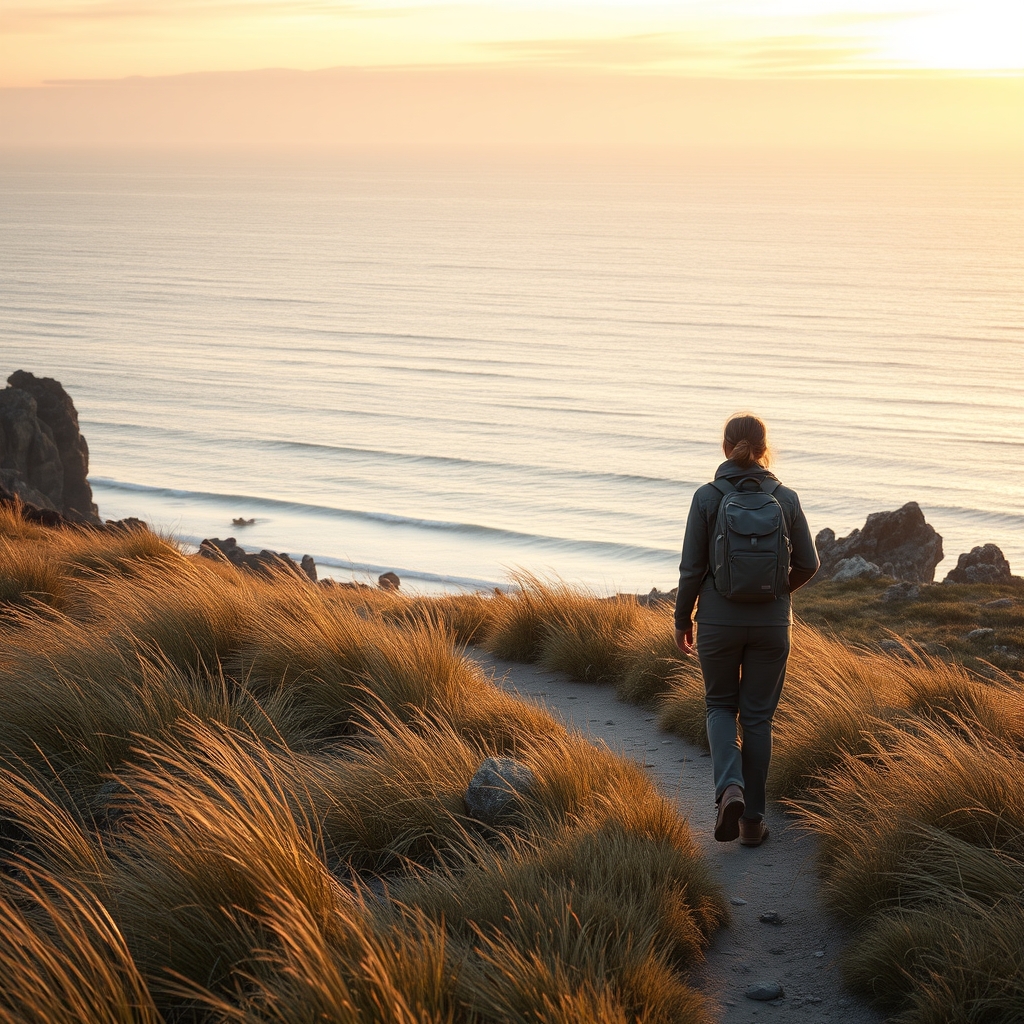
The gentle murmur of water over smooth stones, the salty tang of ocean breeze on your skin, the rhythmic crunch of sand or pebbles beneath your feet—there is something profoundly restorative about moving alongside the earth’s most dynamic waterways. Whether tracing the meandering path of a forest river or following the undulating edge of a wild coastline, these journeys invite us to step out of the relentless pace of modern life and into a slower, more attuned way of being. They are not just walks; they are meditations in motion, where every step becomes a conversation with the natural world.
The Healing Power of Water in Motion
Science has long recognized the therapeutic effects of water—its ability to lower stress, regulate emotions, and even enhance cognitive function. But beyond the clinical benefits lies something more primal: the way moving water mirrors the flow of our own thoughts and emotions. A river, with its twists and turns, reflects the unpredictability of life, while the ocean’s vastness reminds us of our place within something far greater. When we walk beside these waters, we are not merely observers; we become participants in an ancient, cyclical dance of ebb and flow.
In Norway’s Lofoten Islands, coastal trails wind past towering sea cliffs and secluded fishing villages, where the Arctic Ocean crashes against jagged rock formations. Here, the act of walking becomes a form of storytelling—each footfall echoing the journeys of generations who have navigated these same shores. Similarly, the Danube River Trail in Central Europe offers a different kind of immersion, where hikers follow the river’s course through dense forests, medieval castles, and vineyard-draped hills. The water’s presence is a constant, a grounding force that anchors the mind in the present moment.
Eco-Tourism as a Pathway to Preservation
Choosing to explore these water-adjacent landscapes through eco-tourism is more than a personal retreat; it’s an act of stewardship. Sustainable travel practices—such as staying in locally owned lodges, minimizing waste, and supporting conservation efforts—ensure that these fragile ecosystems remain intact for future generations. In Costa Rica’s Tortuguero National Park, guided coastal walks double as conservation initiatives, where visitors learn about sea turtle nesting sites and the delicate balance of mangrove forests. The experience transforms from mere sightseeing into a deeper understanding of our interconnectedness with the natural world.
Similarly, New Zealand’s Abel Tasman Coast Track is a model of sustainable adventure travel. The trail, which hugs the shoreline of one of the country’s most pristine national parks, is carefully managed to protect native wildlife and vegetation. Hikers are encouraged to follow Leave No Trace principles, ensuring that the only footprints left behind are their own. These experiences remind us that travel can be regenerative—both for the traveler and the places they visit.
Digital Detox by the Water’s Edge
In an era where screens dominate our attention, the act of disconnecting can feel like a radical rebellion. Yet, there is no better place to practice a digital detox than beside a river or along a windswept coast. The sensory richness of these environments— the sound of waves, the scent of damp earth, the play of light on water—demands our full presence. Without the constant ping of notifications, the mind begins to unwind, making space for creativity, reflection, and even boredom, which, as it turns out, is a fertile ground for new ideas.
Consider the remote beaches of Tasmania’s Freycinet Peninsula, where the only sounds are the cry of seabirds and the whisper of wind through coastal heath. Here, off-grid stays in eco-friendly cabins offer the perfect antidote to digital overload. Without Wi-Fi or cell service, visitors are left with little choice but to engage with their surroundings—and with themselves. The result is often a profound sense of clarity, as if the mind, like the tide, has finally been allowed to recede and reset.
Wildlife Encounters That Shift Perspective
One of the most transformative aspects of walking beside rivers and coastlines is the opportunity to witness wildlife in its natural habitat. These encounters—whether it’s spotting a pod of dolphins playing in the surf, watching salmon navigate upstream, or observing seabirds nesting on rocky cliffs—serve as powerful reminders of the intricate web of life. They also challenge our human-centric view of the world, inviting us to see ourselves as part of a larger, more complex ecosystem.
In Alaska’s Katmai National Park, coastal walks along the Brooks River offer a front-row seat to one of nature’s most awe-inspiring spectacles: brown bears fishing for salmon. The experience is humbling, not just because of the bears’ sheer size and power, but because it underscores the delicate balance of predator and prey, of life and death. Similarly, in the Galápagos Islands, guided coastal hikes reveal a world where wildlife has no fear of humans—where marine iguanas bask on lava rocks and sea lions nap on sandy beaches. These moments dissolve the boundaries between observer and observed, leaving us with a deepened sense of connection and responsibility.
The Art of Slow Movement
At its core, walking beside water is an exercise in slow travel—a rejection of the hurried, checklist mentality that often defines modern tourism. It’s about savoring the journey rather than rushing toward a destination. On Scotland’s West Highland Way, which follows the shores of Loch Lomond, hikers are encouraged to linger, to sit by the water’s edge and watch the play of light on the surface, or to pause and listen to the haunting call of a loon. These moments of stillness are where the real magic happens, where the mind and body sync with the rhythms of the natural world.
This philosophy extends to coastal walks as well. In Portugal’s Rota Vicentina, a network of trails along the country’s wild southwestern coast, the pace is dictated by the landscape itself. Some days, the path is a gentle stroll along sandy beaches; other days, it’s a challenging scramble over rugged cliffs. But always, there is the ocean—a constant, mesmerizing presence that invites contemplation. The trail’s creators describe it as a journey for the soul, a chance to reconnect with the earth’s raw beauty and, in doing so, rediscover a sense of inner peace.
There is no need for grand gestures or elaborate rituals to feel the restorative power of these landscapes. Sometimes, it’s as simple as stepping outside, finding a stretch of river or coastline, and walking—just walking—with no agenda, no destination, and no distractions. The water will do the rest, washing away the noise of daily life and leaving in its wake a quieter, more centered version of ourselves. In a world that often feels fragmented and fast-paced, these moments of connection are not just a luxury; they are a necessity, a reminder of what it means to be fully, vibrantly alive.


