
Beyond the Tourist Trails: How Cultural Tourism and Slow Travel Are Unlocking the Soul of Sustainable Escapes
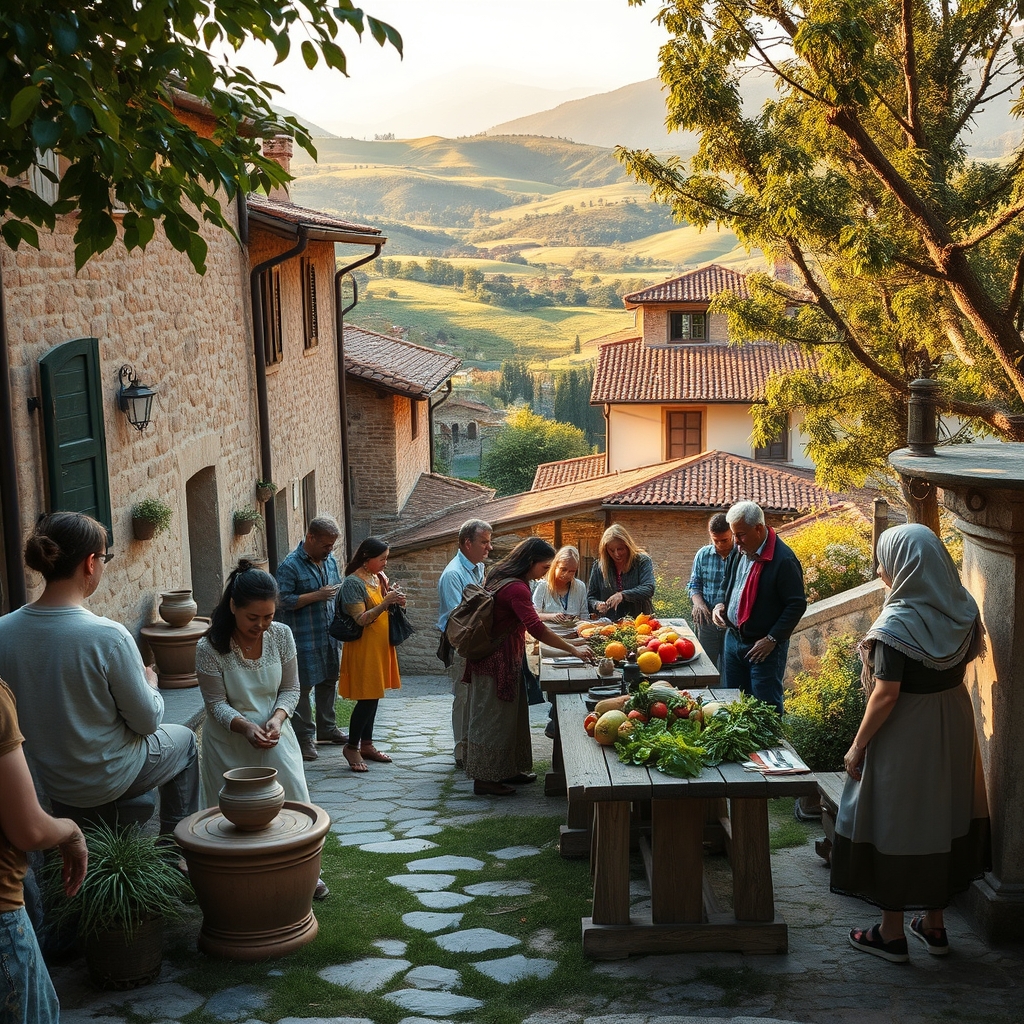
There’s a quiet revolution unfolding in the way we explore the world—one that prioritizes depth over distance, connection over checklists, and mindfulness over milestones. Cultural tourism and slow travel are no longer niche concepts but powerful movements reshaping the future of sustainable exploration. They invite travelers to step off the beaten path, not just to see a place, but to feel its pulse, understand its stories, and leave a lighter footprint in the process.
The Essence of Cultural Tourism
Cultural tourism is more than visiting museums or snapping photos of historic landmarks. It’s about immersing yourself in the living traditions, rituals, and daily rhythms of a community. Imagine learning the art of traditional weaving from a local artisan in a remote Andean village, sharing a meal with a family in a Moroccan medina, or participating in a centuries-old festival in a Japanese countryside town. These experiences don’t just enrich your journey; they foster mutual respect and preserve the cultural heritage that makes each destination unique.
What sets cultural tourism apart is its ability to create meaningful exchanges. Travelers gain authentic insights into a place’s identity, while local communities benefit economically and socially. This symbiotic relationship ensures that tourism becomes a force for good, supporting small businesses, artisans, and cultural preservation efforts. It’s a far cry from the mass tourism model, which often dilutes the very essence of a destination in favor of quick profits.
The Slow Travel Mindset
Slow travel is the perfect companion to cultural tourism. It’s about savoring the journey as much as the destination, allowing time to unfold naturally rather than rushing through a checklist of must-see attractions. This approach encourages travelers to linger in one place, forging deeper connections with the environment and its people. Whether it’s spending a week in a single village, exploring a region by bike, or simply sitting in a café watching the world go by, slow travel transforms the way we experience the world.
The benefits of slow travel extend beyond personal enrichment. By reducing the need for constant movement, it minimizes the carbon footprint associated with frequent flights or long-distance travel. It also supports local economies more sustainably, as travelers spend more time—and money—in one area, rather than hopping from one tourist hotspot to another. In a world where speed is often equated with success, slow travel offers a refreshing alternative: the art of being present.
Where Cultural Tourism and Slow Travel Collide
The magic happens when cultural tourism and slow travel intersect. Picture yourself in a small coastal town in Portugal, where you’ve rented a modest guesthouse for a month. Each morning, you stroll to the local market, chatting with vendors who remember your name and your favorite pastries. You spend your afternoons learning to cook regional dishes from a neighbor, your evenings listening to fado music in a dimly lit tavern, and your weekends exploring nearby villages by train. This is travel at its most transformative—where every interaction feels intentional, and every moment is an opportunity to learn.
This kind of travel isn’t just about seeing the world; it’s about being seen by it. It’s about allowing a place to change you, rather than you merely passing through it. The connections forged during these experiences often leave a lasting impact, shaping not only how we travel but how we live. Travelers return home with more than souvenirs; they carry stories, perspectives, and a deeper appreciation for the diversity of human experience.
Eco Resorts: The Perfect Base for Mindful Exploration
For those seeking a balance between comfort and sustainability, eco resorts have emerged as ideal hubs for cultural and slow travel. These properties are designed to harmonize with their surroundings, using renewable energy, locally sourced materials, and sustainable practices to minimize their environmental impact. More than just places to stay, they often serve as gateways to the local culture, offering workshops, guided tours, and opportunities to engage with nearby communities.
Imagine staying at an eco resort nestled in the rainforests of Costa Rica, where you can start your day with a yoga session overlooking the jungle, followed by a guided hike with a local naturalist. In the afternoon, you might participate in a cooking class featuring indigenous ingredients, or learn about the resort’s conservation efforts to protect endangered species. These experiences don’t just enhance your stay; they deepen your connection to the place and its people, making your travel experience richer and more meaningful.
The Ripple Effect of Sustainable Travel
The choices we make as travelers have a ripple effect that extends far beyond our own journeys. When we prioritize cultural tourism and slow travel, we support a model of exploration that values people and the planet as much as profit. We help preserve traditions that might otherwise be lost to globalization, and we contribute to economies in a way that empowers local communities rather than exploiting them.
This approach to travel also challenges the notion that more is better. In a world obsessed with bucket lists and Instagram-worthy moments, cultural and slow travel remind us that the most memorable experiences are often the quiet ones—the conversations that linger, the flavors that stay with us, the landscapes that stir something deep within. They teach us that travel isn’t just about escaping our lives but enriching them, one mindful step at a time.
As the world reopens and the urge to explore grows stronger, there’s an opportunity to redefine what travel means. It’s not about ticking off destinations or collecting passport stamps, but about crafting experiences that resonate long after the journey ends. By embracing cultural tourism and slow travel, we can create a future where exploration is not just sustainable but soulful—a future where every trip leaves the world a little better than we found it.


