
The Secret Life of Shopping Districts: How Boutique Culture and Urban Exploration Collide
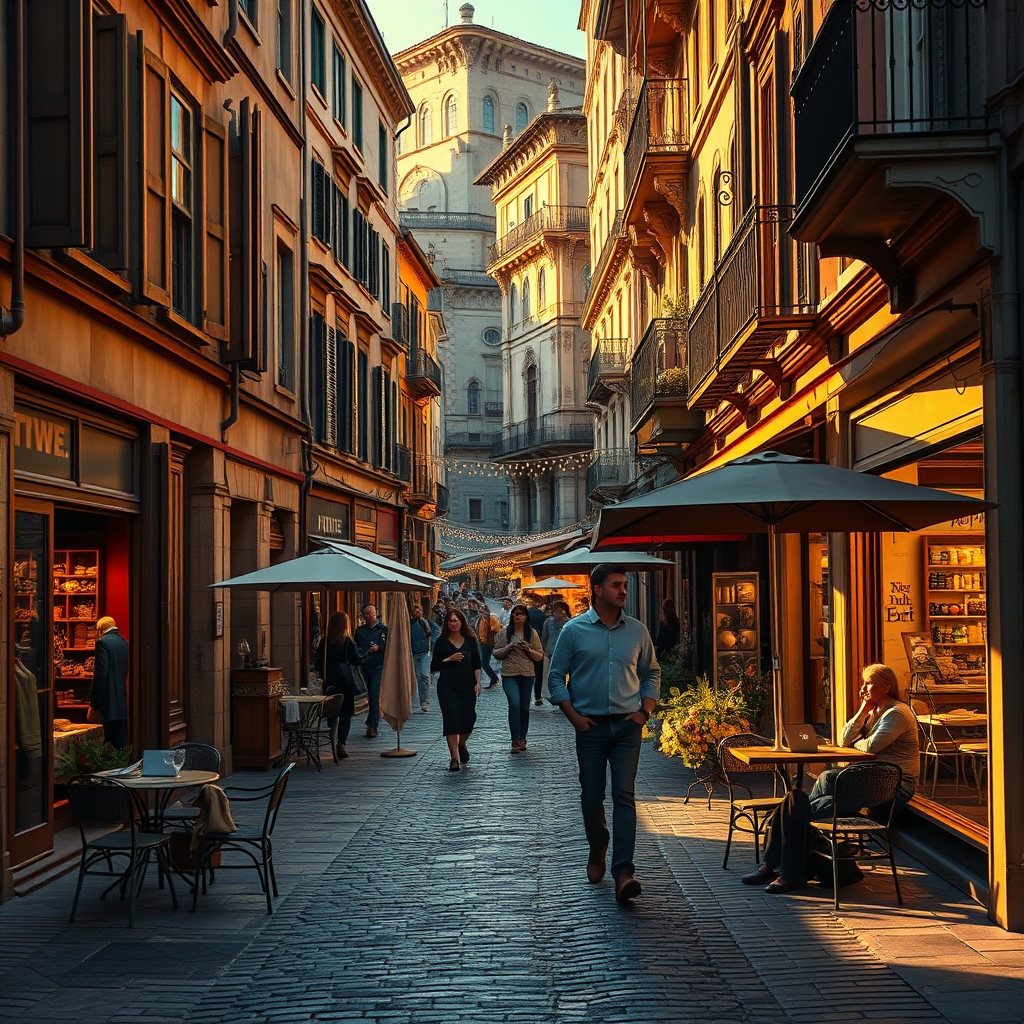
There’s something almost magical about wandering through a city’s shopping districts—not the sterile, mall-dominated sprawl of chain stores, but the kind of places where history seeps through the cracks of cobblestone streets and the air hums with the energy of local artisans. These districts are more than just retail hubs; they are living museums, cultural crossroads, and the beating heart of urban exploration. For those who know how to look, they offer a deeper connection to a city’s identity, one boutique, one hidden alley, and one unexpected discovery at a time.
The Rise of the Boutique Ethos
In an era where homogenization threatens to flatten the uniqueness of cities, boutique shopping districts have emerged as sanctuaries of individuality. Unlike their big-box counterparts, these areas thrive on the personal touch—handcrafted goods, locally sourced materials, and the stories behind each product. Whether it’s a leatherworker in Florence’s Oltrarno district, a vintage clothing dealer in Tokyo’s Shimokitazawa, or a spice merchant in Istanbul’s Grand Bazaar, these spaces are defined by the people who bring them to life. The boutique ethos isn’t just about commerce; it’s about preserving craftsmanship, fostering community, and offering an antidote to the impersonal nature of modern retail.
What makes these districts so compelling is their ability to reflect the soul of a city. In Lisbon’s Príncipe Real, for example, the mix of antique shops, independent bookstores, and artisanal cafés creates a narrative of the city’s past and present. The same can be said for Melbourne’s Fitzroy, where street art, record stores, and bespoke tailors coexist in a vibrant, ever-evolving tapestry. These places don’t just sell products; they sell experiences, memories, and a sense of belonging.
The Intersection of Urban Exploration and Retail Therapy
For urban explorers, shopping districts are often the first point of contact with a city’s hidden layers. They serve as gateways to deeper discoveries—whether it’s stumbling upon a tucked-away café that leads to a conversation with a local artist or following a narrow alley that opens into a courtyard filled with street performers. The act of shopping becomes a form of exploration, where every purchase is a souvenir of an encounter, a story, or a moment of serendipity.
This blend of retail and exploration is particularly appealing to digital nomads and bleisure travelers, who seek authenticity in their urban experiences. For them, shopping isn’t just about acquiring goods; it’s about engaging with the city’s creative pulse. A visit to Berlin’s Kreuzberg, for instance, might start with browsing a concept store like Voo Store, but it could just as easily lead to a pop-up gallery, a rooftop bar, or a community garden. The district becomes a playground for curiosity, where every storefront is a potential adventure.
Beyond the Storefront: The Culture of Shopping Districts
What elevates a shopping district from a collection of stores to a cultural landmark is its ability to foster connection. Night markets, for example, transform retail spaces into social hubs, where food, music, and commerce merge into a sensory experience. Taipei’s Raohe Street Night Market or Bangkok’s Chatuchak Market are prime examples of how shopping districts can become the epicenter of urban life, drawing locals and travelers alike into a shared celebration of culture.
Similarly, historic shopping districts often double as architectural wonders. Take Barcelona’s El Born, where medieval buildings house contemporary boutiques and design studios. The district’s Gothic arches and narrow streets create a backdrop that feels both timeless and modern, inviting visitors to step into a living postcard. In these spaces, the act of shopping becomes secondary to the act of immersing oneself in the city’s aesthetic and historical fabric.
The Future of Shopping Districts in Smart Cities
As cities evolve into smarter, more connected spaces, shopping districts are also adapting. The integration of technology—such as augmented reality storefronts, digital payment systems, and AI-driven personalization—is reshaping the retail experience without sacrificing the human touch. In Singapore’s Haji Lane, for example, traditional shophouses now feature interactive displays and QR code-guided tours, blending the old with the new in a way that enhances rather than erases the district’s charm.
Yet, the challenge for smart cities will be to preserve the authenticity of these districts while embracing innovation. The most successful shopping areas will be those that strike a balance between convenience and character, ensuring that technology serves to amplify rather than overshadow the unique stories and traditions that define them. After all, the allure of a shopping district lies in its imperfections—the crooked sign above a family-run shop, the scent of freshly baked bread wafting from a bakery, the sound of laughter spilling from a hidden courtyard.
To walk through a city’s shopping districts is to peel back its layers, one storefront at a time. It’s a reminder that the best urban experiences are not found in the grand monuments or the crowded tourist spots, but in the quiet corners where creativity, history, and community intersect. Whether you’re a seasoned explorer or a first-time visitor, these districts offer a way to see the city not just as a destination, but as a living, breathing entity—one that invites you to linger, to discover, and to take a piece of it home with you.


