
The Hidden Rhythms of Slow Travel: How Cultural Immersion and Eco Resorts Are Crafting Deeper Connections
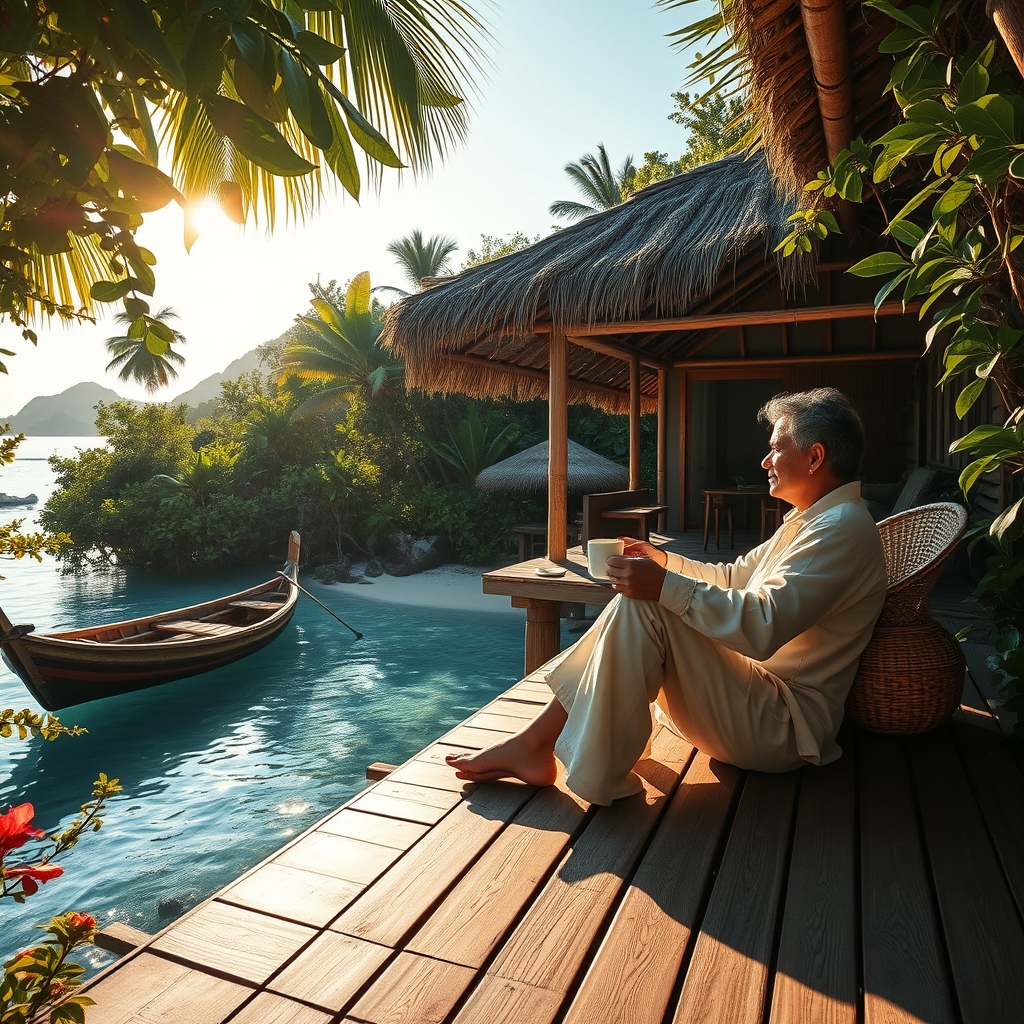
There’s a quiet revolution unfolding in the way we explore the world—one that rejects the frantic pace of bucket-list tourism in favor of something far more meaningful. Slow travel isn’t just about taking more time; it’s about allowing the places we visit to seep into our bones, to shape our days with their own rhythms rather than the ticking clock of an itinerary. It’s the difference between skimming the surface of a destination and sinking into its soul, where every meal, every conversation, and every sunrise becomes part of a richer, more deliberate story.
The Philosophy of Slow Travel
At its core, slow travel is an antidote to the exhaustion of modern tourism. It’s a conscious choice to trade quantity for quality, to prioritize depth over breadth. This movement isn’t new—it draws from the Italian concept of slow food, which celebrates local ingredients, traditional cooking, and the joy of savoring a meal without rush. Applied to travel, it becomes a way of engaging with a place on its own terms, whether that means lingering in a village café for hours, learning a craft from a local artisan, or simply wandering without a fixed plan.
For the slow traveler, the journey itself is as important as the destination. A train ride through the countryside becomes an opportunity to watch landscapes shift like a living painting, while a ferry crossing to a remote island offers time to feel the salt spray on your skin and the weight of anticipation in your chest. These moments aren’t just filler between attractions; they’re the threads that weave the fabric of the experience.
Eco Resorts as Sanctuaries of Slow Living
Not all accommodations are created equal when it comes to slow travel. The best eco resorts don’t just offer a place to stay—they provide a gateway to a slower, more intentional way of life. Nestled in landscapes untouched by mass tourism, these retreats are designed to harmonize with their surroundings, from solar-powered villas perched on cliffs to bamboo bungalows hidden in lush jungles. Their architecture often reflects local traditions, using materials like reclaimed wood, thatch, and stone to create spaces that feel both timeless and deeply rooted in place.
What sets these resorts apart is their commitment to sustainability beyond the superficial. Many partner with local communities, sourcing food from nearby farms and hiring guides who are also storytellers, sharing the history and ecology of the region. Activities are designed to immerse guests in the environment—think guided nature walks that teach you to identify native plants, or cooking classes where you learn to prepare dishes using ingredients grown on-site. The goal isn’t just to relax but to connect, to leave with a deeper understanding of the land and the people who call it home.
Cultural Immersion as the Heart of Slow Travel
True slow travel is impossible without cultural immersion. It’s in the conversations with a fisherman at dawn, the shared laughter over a communal meal, or the quiet observation of a ritual that’s been passed down for generations. These experiences don’t always come with a price tag or a guidebook recommendation—they require curiosity, patience, and a willingness to step outside your comfort zone.
One of the most powerful ways to engage with a culture is through its food. Markets become classrooms, where vendors explain the nuances of spices or the history behind a dish. Cooking workshops offer hands-on lessons in local techniques, from rolling pasta in Italy to grinding corn for tortillas in Mexico. These aren’t just culinary experiences; they’re gateways to understanding the values, struggles, and triumphs of a community.
Art and craftsmanship also offer profound insights. Whether it’s watching a potter shape clay in a Moroccan medina or learning to weave textiles from a Peruvian artisan, these encounters reveal the soul of a place. Many slow travelers seek out opportunities to support local makers, whether by purchasing handmade goods or participating in workshops. The items they bring home aren’t just souvenirs—they’re tangible connections to the people and places they’ve encountered.
The Role of Mindful Movement in Slow Travel
Slow travel isn’t just about what you do—it’s also about how you move. The rise of mindful movement, from walking pads to cozy cardio, reflects a broader shift toward travel that nourishes both body and mind. In destinations where the pace of life is naturally slower, activities like yoga, hiking, or even leisurely strolls become integral to the experience. A morning walk along a hidden beach or a sunset hike through terraced rice fields isn’t just exercise; it’s a way to sync your rhythm with the land.
For digital nomads and remote workers, this mindful approach to movement can be a game-changer. Many eco resorts now offer wellness-focused amenities, from open-air yoga pavilions to walking trails designed to encourage reflection. The idea is to counteract the sedentary nature of remote work with movement that feels restorative rather than punishing. A walking pad on a private villa’s terrace, for example, allows you to stretch your legs while still soaking in the view, blending productivity with presence.
Finding the Hidden Gems
Slow travel thrives in places that resist the homogenization of global tourism. These are the destinations where time seems to move differently—where the only sounds are the rustle of leaves, the crash of waves, or the distant chatter of a village square. Secret islands, remote villages, and lesser-known coastal towns often become the sanctuaries of slow travelers, offering the space to disconnect and reconnect in equal measure.
But finding these hidden gems requires a shift in mindset. It means seeking out places that aren’t trending on social media, where the allure lies in their authenticity rather than their Instagram potential. It means choosing a family-run guesthouse over a chain hotel, a local guide over a tour bus, and a quiet trail over a crowded landmark. These choices don’t just lead to more meaningful experiences—they also support the kind of tourism that preserves rather than exploits.
The beauty of slow travel is that it doesn’t demand grand gestures or expensive retreats. It can begin with a single decision: to linger a little longer, to listen a little deeper, to move a little slower. Whether you’re wandering through the cobbled streets of a historic town, sharing a meal with a local family, or simply sitting on a beach watching the tide roll in, the magic lies in the moments that unfold when you allow yourself to be fully present. These are the experiences that stay with you long after the journey ends, not as memories to be filed away, but as lessons in how to live more intentionally, wherever you are.


