
The Digital Nomad’s Guide to Smart Cities: Where Tech Meets Urban Exploration
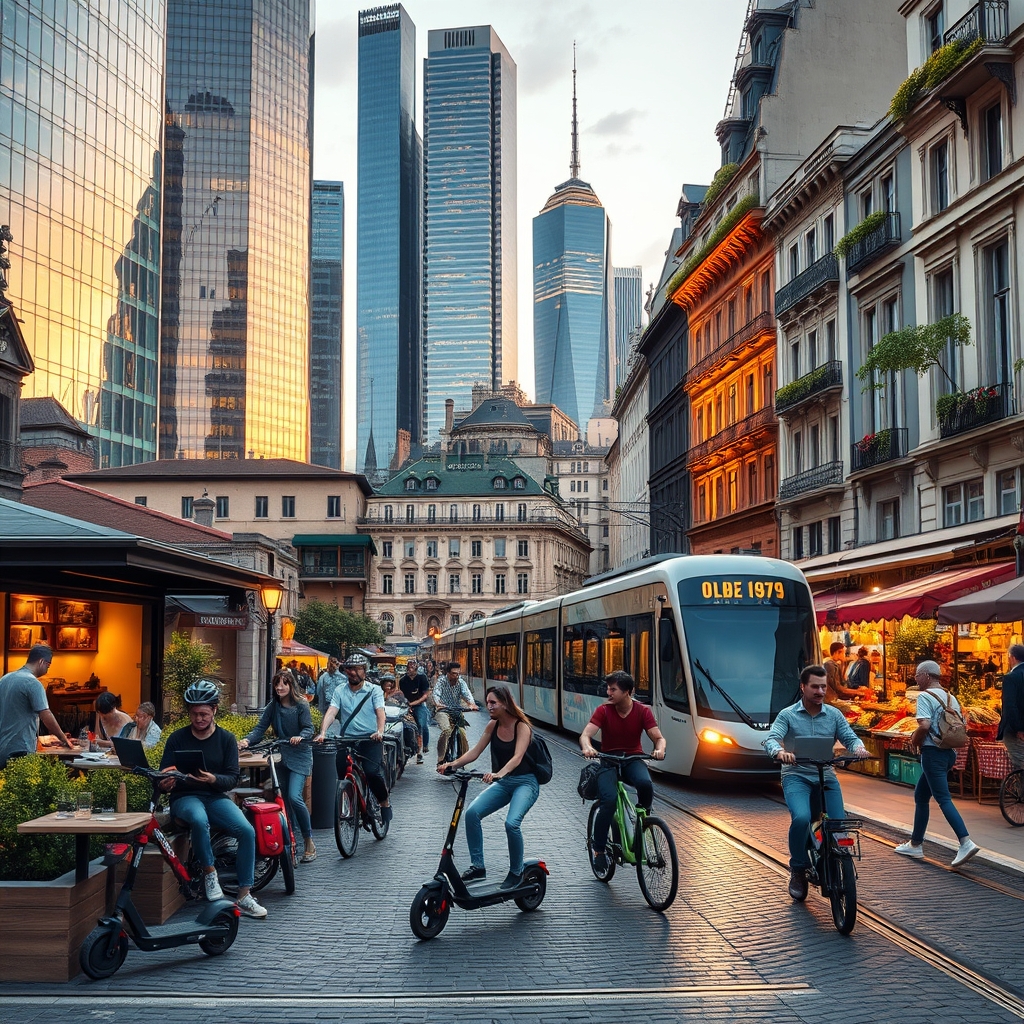
In an era where remote work blurs the lines between business and leisure, smart cities are emerging as the ultimate playground for digital nomads. These urban hubs, powered by cutting-edge technology and innovative infrastructure, offer more than just fast Wi-Fi and co-working spaces—they provide a seamless blend of productivity, exploration, and cultural immersion. For the modern traveler, a smart city isn’t just a destination; it’s a dynamic ecosystem designed to enhance every aspect of urban living, from micro-mobility to local food tours.
The Rise of Smart Cities: A New Frontier for Urban Explorers
Smart cities leverage data, IoT (Internet of Things), and sustainable design to create environments that are efficient, livable, and deeply connected. Cities like Singapore, Barcelona, and Copenhagen have become pioneers in this movement, integrating everything from AI-driven traffic management to smart grids that optimize energy consumption. For digital nomads, this means navigating a city that anticipates your needs—whether it’s real-time public transit updates, app-based bike-sharing systems, or digital kiosks that offer personalized recommendations for nearby attractions.
The appeal of smart cities lies in their ability to balance innovation with authenticity. While technology streamlines daily life, it doesn’t overshadow the city’s cultural heartbeat. Historic districts coexist with futuristic architecture, and night markets thrive alongside high-tech shopping districts. This duality makes smart cities ideal for those who crave both convenience and depth in their travels.
Micro-Mobility: The Future of City Walking
Gone are the days when exploring a city meant relying solely on crowded metros or expensive taxis. Micro-mobility solutions—such as e-scooters, bike-sharing programs, and electric skateboards—have revolutionized urban exploration. In smart cities, these options are seamlessly integrated into the transportation network, often accessible via a single app. For digital nomads, this means effortless transitions between work and wanderlust, whether it’s a quick ride to a boutique hotel or a scenic route through urban greenery.
Cities like Amsterdam and Berlin have set the standard for micro-mobility, with dedicated bike lanes and scooter-friendly zones that prioritize safety and accessibility. These systems not only reduce carbon footprints but also encourage a slower, more immersive way of experiencing a city. Instead of rushing from one tourist hotspot to another, travelers can meander through lesser-known neighborhoods, stumbling upon hidden cafés, street art, and local boutiques along the way.
Bleisure Travel: Where Work and Wanderlust Collide
The concept of bleisure travel—blending business with leisure—has gained traction among digital nomads, and smart cities are the perfect backdrop for this lifestyle. With co-working spaces strategically located near cultural landmarks and shopping districts, it’s easier than ever to toggle between productivity and exploration. Imagine wrapping up a morning of emails in a sleek, high-tech café, then spending the afternoon on an architecture walk or indulging in a local food tour.
Smart cities cater to this hybrid lifestyle by offering amenities that cater to both work and play. High-speed internet is ubiquitous, and many public spaces are designed with digital nomads in mind—think outdoor workstations with charging ports, or rooftop lounges with panoramic city views. Boutique hotels in these cities often double as co-working hubs, providing a seamless experience for those who want to live, work, and explore without missing a beat.
Cultural Tourism in the Digital Age
While technology enhances the practical aspects of travel, it also enriches cultural experiences. Smart cities leverage digital tools to make cultural tourism more interactive and personalized. Augmented reality (AR) apps can bring historic districts to life, offering virtual tours of ancient landmarks or narrated walks through architectural marvels. Museums and galleries use smart technology to create immersive exhibits, allowing visitors to engage with art and history in new ways.
For digital nomads, this means access to a deeper, more meaningful connection with the cities they visit. Instead of skimming the surface, travelers can dive into the stories behind a city’s evolution, from its street food traditions to its night markets. Local food tours, for example, are no longer just about tasting dishes—they’re about understanding the cultural significance behind each bite, guided by apps that provide historical context and chef interviews.
The Staycation Revolution: Rediscovering Your Own Backyard
Smart cities aren’t just for globetrotters—they’re also redefining the concept of staycations. With urban greenery, pedestrian-friendly zones, and a wealth of cultural activities, residents of smart cities are finding new reasons to explore their own neighborhoods. Public transit systems make it easy to hop from one district to another, while digital platforms curate personalized itineraries based on individual interests, whether it’s a shopping spree in a trendy district or a quiet afternoon in a hidden park.
This shift toward local exploration is particularly appealing to digital nomads who may spend extended periods in one city. Instead of feeling like a perpetual tourist, they can integrate into the community, discovering the rhythms and rituals that make a place unique. Smart cities facilitate this by breaking down barriers—language apps, real-time translation services, and digital guides ensure that even the most off-the-beaten-path experiences are accessible.
As smart cities continue to evolve, they’re not just changing the way we live—they’re transforming how we experience the world. For digital nomads, these urban hubs offer a rare combination of efficiency and authenticity, where technology enhances rather than detracts from the joy of discovery. Whether it’s navigating a city via micro-mobility, blending work and leisure in a boutique hotel, or uncovering the stories behind a night market’s bustling stalls, smart cities invite travelers to see the world through a lens of endless possibility. The future of urban exploration isn’t just about where you go—it’s about how seamlessly the journey unfolds, one smart innovation at a time.


