
The Hidden Allure of Secret Islands: How Sustainable Travelers Are Unlocking the Soul of Tropical Escapes
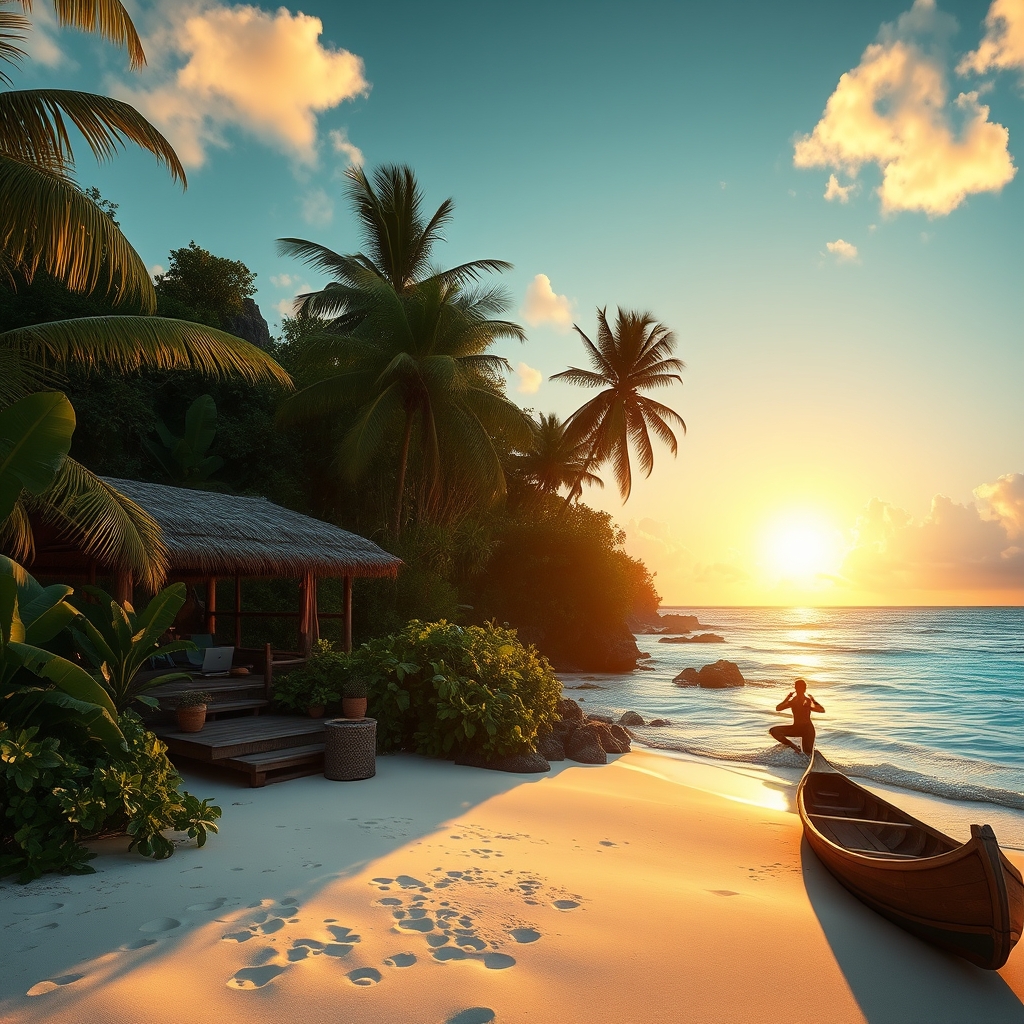
There’s something inherently magical about islands—the way they rise from the ocean like whispered secrets, untouched and brimming with stories waiting to be discovered. But not all islands are created equal. While the world flocks to the well-trodden shores of Bali, the Maldives, or Santorini, a quieter revolution is unfolding in the shadows of these famous destinations. Sustainable travelers, digital nomads, and wellness seekers are turning their gaze toward secret islands, places where the rhythm of life moves slower, the landscapes remain unspoiled, and the connection to nature feels almost sacred. These hidden gems are not just escapes; they are sanctuaries for the soul, offering a rare blend of solitude, adventure, and eco-conscious luxury.
The Rise of the Invisible Traveler
In an era where overtourism threatens to erode the very beauty that draws us to destinations, a new kind of traveler is emerging—one who seeks not just to see, but to experience. These invisible travelers shun the crowded beaches and Instagram-famous landmarks in favor of places where time seems to stand still. They are drawn to secret islands like the Comoros in the Indian Ocean, the lesser-known islands of Raja Ampat in Indonesia, or the remote atolls of Belize’s barrier reef. These destinations offer more than just a change of scenery; they provide a chance to disconnect from the noise of modern life and reconnect with something deeper.
What sets these travelers apart is their commitment to sustainable travel. They understand that the choices they make—where they stay, how they move, what they consume—have a ripple effect on the places they visit. Eco resorts built from reclaimed wood and powered by solar energy, locally sourced meals that celebrate regional flavors, and activities that support conservation efforts are not just preferences but non-negotiable aspects of their journeys. For them, travel is not about leaving a footprint but about leaving a legacy—one of respect, preservation, and mindful exploration.
The Digital Nomad’s Secret Playground
The rise of remote work has transformed the way we think about travel, turning once-fleeting vacations into extended stays in far-flung locales. For digital nomads, secret islands offer the perfect blend of productivity and paradise. Imagine starting your day with a sunrise yoga session on a secluded beach, followed by a few hours of work from a bamboo-clad co-working space with ocean views, and ending the afternoon kayaking through bioluminescent waters or hiking to a hidden waterfall. This is the reality for those who choose to base themselves in places like Siargao in the Philippines, the Azores in Portugal, or the lesser-known islands of Thailand’s Andaman Sea.
These islands are not just about work, though. They are about bleisure travel—the art of blending business with leisure in a way that enriches both. The slow pace of life on secret islands encourages a healthier work-life balance, where the boundaries between professional and personal time blur into something more fluid and fulfilling. The absence of distractions allows for deeper focus, while the natural beauty of the surroundings inspires creativity. It’s a lifestyle that prioritizes well-being without sacrificing productivity, and it’s redefining what it means to be a modern professional.
The Wellness Factor: Healing in Hidden Paradises
Wellness tourism is no longer confined to luxury spas in bustling cities. Today’s travelers are seeking out destinations where healing comes naturally—through the air they breathe, the water they swim in, and the food they eat. Secret islands are emerging as the ultimate wellness retreats, offering everything from forest bathing in Japan’s Yakushima to sound healing sessions in the caves of Fiji’s remote islands. These experiences are not just about relaxation; they are about transformation.
One of the most compelling aspects of wellness on secret islands is the emphasis on slow travel. There are no rushed itineraries or packed schedules here. Instead, travelers are encouraged to immerse themselves in the local culture, whether that means learning traditional healing practices from indigenous communities, participating in farm-to-table cooking classes, or simply spending hours in quiet contemplation by the sea. The goal is not to escape life but to reconnect with it—to find stillness in motion and meaning in the mundane.
The Art of Island Hopping: Crafting Your Own Adventure
For those who crave variety, island hopping offers the perfect way to explore multiple secret islands in a single trip. Unlike the commercialized routes of the Caribbean or the Greek Isles, sustainable island hopping focuses on low-impact travel, often using small boats or local ferries to move between destinations. This approach not only reduces the carbon footprint but also allows travelers to discover hidden coves, untouched reefs, and villages where time seems to have stood still.
One of the joys of island hopping is the element of surprise. Without the rigid structure of a typical vacation, each day unfolds organically, shaped by the weather, local recommendations, or spontaneous encounters with fellow travelers. You might start your journey on a remote island in French Polynesia, where you spend your days snorkeling in crystal-clear lagoons, only to find yourself a week later on a tiny atoll in the Solomon Islands, learning traditional fishing techniques from a local elder. The unpredictability is part of the allure, a reminder that the best adventures are often the ones we don’t plan.
Destination Dupes: The Sustainable Alternative to Overcrowded Hotspots
As travelers become more conscious of their impact, the concept of destination dupes is gaining traction. These are lesser-known alternatives to popular destinations that offer similar experiences without the crowds or environmental strain. For example, instead of heading to the overrun beaches of Phuket, sustainable travelers might opt for the quiet shores of Koh Kood in Thailand. Or, rather than joining the throngs in Santorini, they might find solace on the volcanic island of Milos, where whitewashed villages and dramatic cliffs rival its more famous neighbor.
Destination dupes are not about settling for less; they are about discovering more. They offer the same beauty, culture, and adventure as their mainstream counterparts but with the added benefits of authenticity and sustainability. By choosing these hidden gems, travelers can enjoy a richer, more meaningful experience while also supporting local economies that rely on tourism but are often overshadowed by larger, more commercialized destinations.
The Future of Travel: A Return to Simplicity
In a world that moves at breakneck speed, secret islands offer a rare opportunity to slow down and savor the moment. They remind us that travel is not just about ticking off bucket-list items but about forging connections—with nature, with local communities, and with ourselves. The allure of these hidden paradises lies in their ability to strip away the excess and reveal what truly matters: the sound of waves lapping against the shore, the warmth of the sun on your skin, the taste of fresh fruit picked from a tree just moments before.
As more people seek out these experiences, the definition of luxury is evolving. It’s no longer about opulence or extravagance but about authenticity, sustainability, and the freedom to explore the world on your own terms. Secret islands are not just destinations; they are invitations—to step off the beaten path, to embrace the unknown, and to rediscover the joy of travel in its purest form. Whether you’re a digital nomad, a wellness seeker, or simply a curious explorer, these hidden gems hold the promise of something extraordinary: a chance to experience the world as it was meant to be—wild, beautiful, and full of wonder.


