
The Intersection of Eco-Tourism and Bleisure Travel: A New Frontier
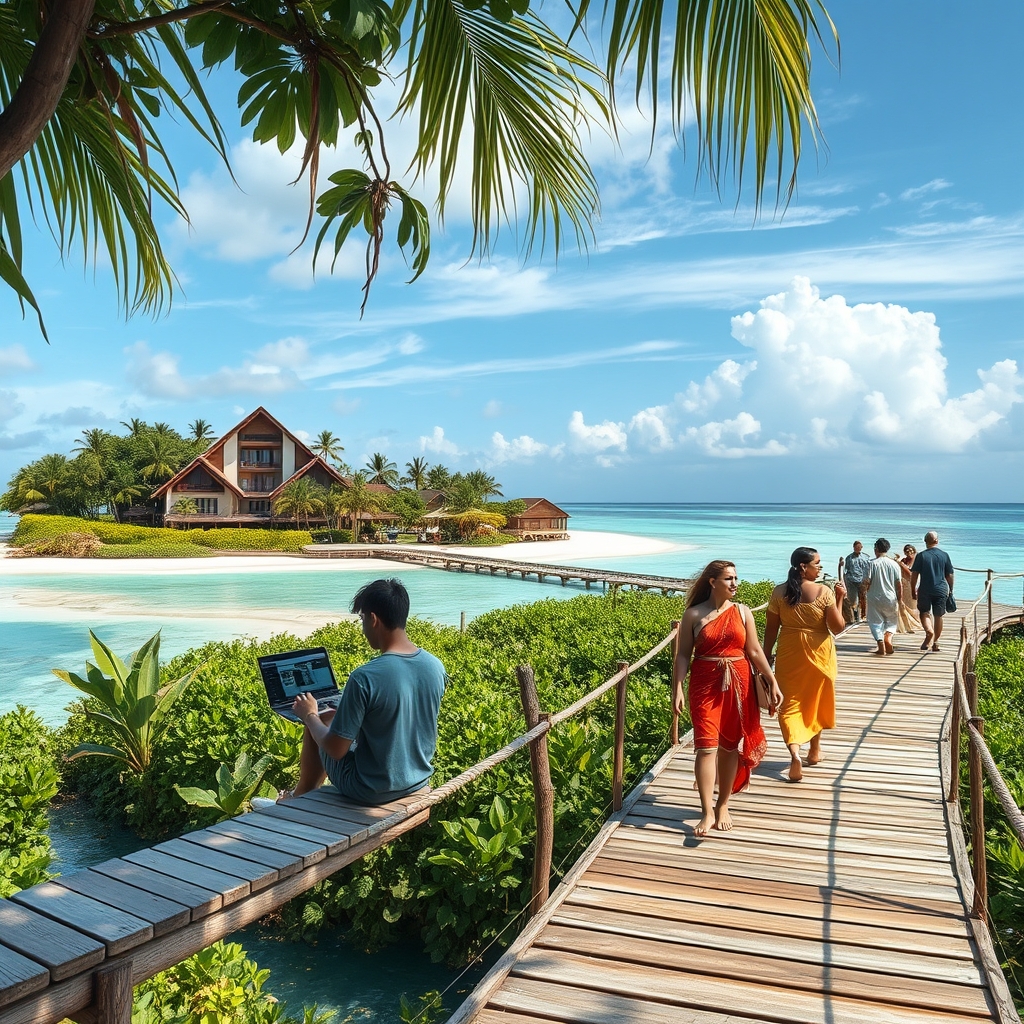
In the ever-evolving landscape of travel, two trends have emerged as powerful forces shaping the industry: eco-tourism and bleisure travel. While eco-tourism focuses on sustainable and responsible travel practices, bleisure travel combines business and leisure, allowing travelers to extend their trips for personal enjoyment. The intersection of these two trends presents a unique opportunity for travelers seeking meaningful and sustainable experiences.
Eco-Tourism: A Growing Movement
Eco-tourism has gained significant traction in recent years, driven by a growing awareness of environmental issues and a desire to minimize the negative impact of travel. This form of tourism emphasizes conservation, education, and sustainable practices. Eco-resorts, for instance, are designed to blend seamlessly with their natural surroundings, using renewable energy sources and implementing waste management systems to reduce their carbon footprint.
Destination Dupes: The Rise of Sustainable Alternatives
One of the most exciting developments in eco-tourism is the rise of destination dupes—sustainable alternatives to popular tourist destinations. These hidden gems offer the same allure as their more famous counterparts but with a focus on conservation and community engagement. For example, instead of flocking to overcrowded beaches, travelers can explore secret islands and hidden beaches, where the pristine environment is preserved for future generations.
Bleisure Travel: Blending Business and Leisure
Bleisure travel has become increasingly popular among professionals who seek to make the most of their business trips. By extending their stays, travelers can explore new cultures, relax in luxury villas, or engage in adventure travel. This trend is particularly appealing to digital nomads, who can work remotely from exotic locations while enjoying the benefits of bleisure travel.
The Benefits of Bleisure Travel
Bleisure travel offers numerous benefits, both for the traveler and the local economy. For the traveler, it provides an opportunity to unwind and recharge after a busy work schedule. For the local economy, it brings in additional revenue and supports local businesses. Moreover, bleisure travel can foster cultural tourism, as travelers engage with local communities and learn about their traditions and customs.
The Intersection: Sustainable Bleisure Travel
The intersection of eco-tourism and bleisure travel creates a new frontier in the travel industry. Sustainable bleisure travel combines the best of both worlds, allowing travelers to enjoy luxurious experiences while minimizing their environmental impact. This can be achieved through various means, such as staying in eco-resorts, participating in cultural tourism activities, and supporting local businesses.
Slow Travel: A Mindful Approach
One of the key principles of sustainable bleisure travel is slow travel. This approach emphasizes quality over quantity, encouraging travelers to spend more time in fewer destinations. By doing so, travelers can immerse themselves in the local culture, support the local economy, and reduce their carbon footprint. Slow travel also promotes wellness tourism, as travelers take the time to relax and rejuvenate in a mindful manner.
Island Hopping and Tropical Escapes
Island hopping and tropical escapes are popular choices for bleisure travelers seeking a blend of relaxation and adventure. Private islands and remote work locations offer the perfect setting for a sustainable bleisure trip. These destinations often provide luxury villas, cozy cardio options like walking pads, and eco-friendly amenities, allowing travelers to enjoy their stay while minimizing their environmental impact.
In conclusion, the intersection of eco-tourism and bleisure travel presents a unique opportunity for travelers seeking meaningful and sustainable experiences. By embracing sustainable bleisure travel, we can enjoy the benefits of both worlds while preserving the environment for future generations. Whether it’s exploring hidden beaches, engaging in cultural tourism, or relaxing in luxury villas, sustainable bleisure travel offers a new frontier in the travel industry.


