
Sustainable Travel: The Future of Eco-Conscious Tourism
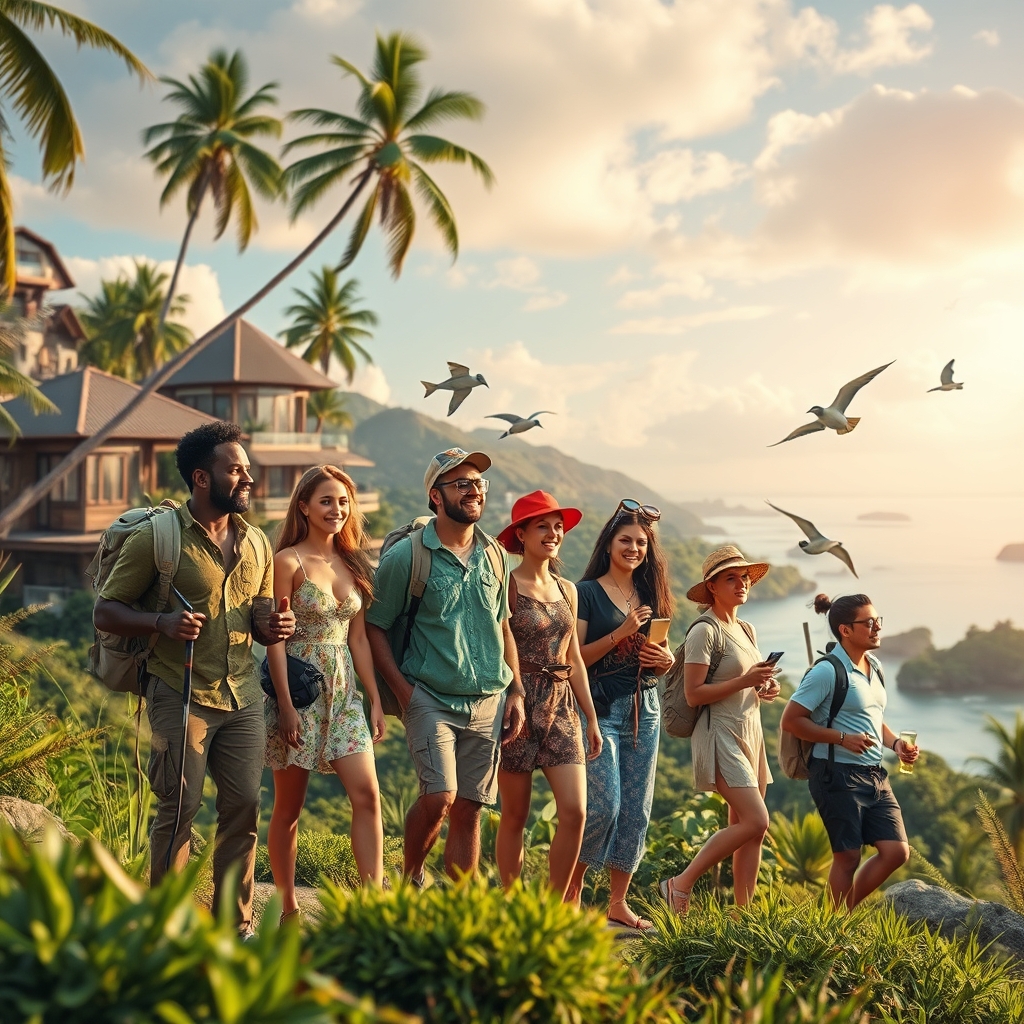
In an era where environmental concerns are at the forefront of global discourse, sustainable travel has emerged as a beacon of hope for the tourism industry. This approach to tourism is not merely a trend but a necessity, given the alarming rate at which natural resources are being depleted. Sustainable travel, or eco-tourism, is a holistic approach that focuses on minimizing the negative impacts of tourism on the environment, while promoting responsible and ethical travel practices.
The Principles of Sustainable Travel
Sustainable travel is guided by several key principles. Firstly, it emphasizes the importance of respecting the local culture and environment. This involves understanding and adhering to the customs and traditions of the host community, and minimizing the disruption to the natural habitat. Secondly, sustainable travel promotes the use of eco-friendly transportation, such as walking, cycling, or using public transport, to reduce carbon emissions. Thirdly, it encourages the use of eco-friendly accommodations, such as eco-resorts or luxury villas, that are designed to minimize their environmental impact. Lastly, sustainable travel promotes the use of local products and services, supporting the local economy and reducing the carbon footprint associated with the importation of goods.
Bleisure Travel: The Perfect Blend of Business and Pleasure
Bleisure travel, a portmanteau of ‘business’ and ‘leisure’, is a growing trend in the world of sustainable travel. This type of travel combines business trips with leisure activities, allowing travelers to explore a destination while fulfilling their professional obligations. Bleisure travel is not only convenient but also eco-friendly, as it allows travelers to visit multiple destinations in a single trip, reducing the need for multiple flights and hotel stays. Moreover, bleisure travelers often choose eco-friendly accommodations and activities, further promoting sustainable travel practices.
Solo Travel: The Rise of Independent Explorers
Solo travel has gained significant popularity in recent years, with more and more individuals choosing to explore the world on their own. This trend is not only a reflection of the changing dynamics of family and social structures but also a testament to the rise of the independent explorer. Solo travelers often have a deeper appreciation for the destination, as they have the freedom to explore at their own pace and according to their own interests. Moreover, solo travel can be a more sustainable form of travel, as it often involves sharing accommodations and transportation with other travelers, reducing the overall carbon footprint.
Wellness Tourism: The Pursuit of Holistic Well-being
Wellness tourism is another growing trend in the world of sustainable travel. This type of travel focuses on the physical, mental, and emotional well-being of the traveler, promoting a holistic approach to health and wellness. Wellness tourism destinations often offer a range of activities and treatments, from yoga and meditation to spa treatments and outdoor adventures. Moreover, wellness tourism often emphasizes the importance of sustainable living, with many destinations offering eco-friendly accommodations and activities that promote a healthy lifestyle.
Digital Nomads: The New Face of Remote Work
The rise of remote work has given birth to a new breed of travelers – the digital nomads. These individuals use their digital devices to work from anywhere in the world, allowing them to live and work in their ideal destinations. Digital nomads often choose destinations that offer a high quality of life, a vibrant culture, and a strong internet connection. Moreover, digital nomads often promote sustainable travel practices, choosing eco-friendly accommodations and activities, and supporting local businesses and communities.
Island Hopping: The Ultimate Tropical Escape
Island hopping is a popular form of sustainable travel that involves visiting multiple islands in a single trip. This type of travel is not only a great way to explore a destination but also a sustainable form of travel, as it allows travelers to visit multiple destinations in a single trip, reducing the need for multiple flights and hotel stays. Moreover, island hopping often involves staying in eco-friendly accommodations, such as eco-resorts or luxury villas, and engaging in eco-friendly activities, such as snorkeling, diving, and hiking.
Private Islands: The Ultimate Luxury Experience
Private islands offer the ultimate luxury experience, with travelers having the freedom to explore and enjoy the island at their own pace. Private islands are often located in remote and secluded destinations, offering a true escape from the hustle and bustle of everyday life. Moreover, private islands often promote sustainable travel practices, with many islands offering eco-friendly accommodations and activities, and a strong focus on conservation and environmental protection.
Hidden Beaches: The Ultimate Secret Escape
Hidden beaches offer the ultimate secret escape, with travelers having the freedom to explore and enjoy the beach at their own pace. Hidden beaches are often located in remote and secluded destinations, offering a true escape from the hustle and bustle of everyday life. Moreover, hidden beaches often promote sustainable travel practices, with many beaches offering eco-friendly accommodations and activities, and a strong focus on conservation and environmental protection.
Secret Islands: The Ultimate Adventure
Secret islands offer the ultimate adventure, with travelers having the freedom to explore and enjoy the island at their own pace. Secret islands are often located in remote and secluded destinations, offering a true escape from the hustle and bustle of everyday life. Moreover, secret islands often promote sustainable travel practices, with many islands offering eco-friendly accommodations and activities, and a strong focus on conservation and environmental protection.
Remote Work: The Future of Work
Remote work is not only a growing trend but also a necessity in the face of the COVID-19 pandemic. Remote work allows individuals to work from anywhere in the world, promoting a more flexible and sustainable lifestyle. Moreover, remote work often involves choosing eco-friendly accommodations and activities, and supporting local businesses and communities, further promoting sustainable travel practices.
Luxury Villas: The Ultimate Eco-Friendly Accommodation
Luxury villas offer the ultimate eco-friendly accommodation, with many villas offering sustainable and eco-friendly features, such as solar power, rainwater harvesting, and energy-efficient appliances. Moreover, luxury villas often promote sustainable travel practices, with many villas offering eco-friendly activities and a strong focus on conservation and environmental protection.
Adventure Travel: The Ultimate Eco-Friendly Experience
Adventure travel offers the ultimate eco-friendly experience, with many adventure activities promoting sustainable travel practices, such as hiking, camping, and kayaking. Moreover, adventure travel often involves staying in eco-friendly accommodations, such as eco-resorts or luxury villas, and engaging in eco-friendly activities, such as snorkeling, diving, and wildlife watching.
Slow Travel: The Ultimate Eco-Friendly Experience
Slow travel is a growing trend in the world of sustainable travel, with travelers choosing to explore a destination at a slower pace, allowing them to fully immerse themselves in the local culture and environment. Slow travel often involves staying in eco-friendly accommodations, such as eco-resorts or luxury villas, and engaging in eco-friendly activities, such as hiking, camping, and wildlife watching. Moreover, slow travel often promotes sustainable travel practices, such as using eco-friendly transportation, such as walking, cycling, or using public transport, and supporting local businesses and communities.
Cozy Cardio: The Ultimate Eco-Friendly Experience
Cozy cardio is a growing trend in the world of sustainable travel, with travelers choosing to engage in low-impact, eco-friendly activities, such as walking, cycling, or using public transport. Cozy cardio often involves staying in eco-friendly accommodations, such as eco-resorts or luxury villas, and engaging in eco-friendly activities, such as hiking, camping, and wildlife watching. Moreover, cozy cardio often promotes sustainable travel practices, such as using eco-friendly transportation, such as walking, cycling, or using public transport, and supporting local businesses and communities.
Walking Pad: The Ultimate Eco-Friendly Experience
Walking pads are a growing trend in the world of sustainable travel, with travelers choosing to engage in low-impact, eco-friendly activities, such as walking, hiking, or using public transport. Walking pads often involve staying in eco-friendly accommodations, such as eco-resorts or luxury villas, and engaging in eco-friendly activities, such as camping, and wildlife watching. Moreover, walking pads often promote sustainable travel practices, such as using eco-friendly transportation, such as walking, hiking, or using public transport, and supporting local businesses and communities.
Eco Resorts: The Ultimate Eco-Friendly Accommodation
Eco resorts offer the ultimate eco-friendly accommodation, with many resorts offering sustainable and eco-friendly features, such as solar power, rainwater harvesting, and energy-efficient appliances. Moreover, eco resorts often promote sustainable travel practices, with many resorts offering eco-friendly activities and a strong focus on conservation and environmental protection.
Destination Dupes: The Ultimate Eco-Friendly Experience
Destination dupes are a growing trend in the world of sustainable travel, with travelers choosing to explore multiple destinations in a single trip, reducing the need for multiple flights and hotel stays. Destination dupes often involve staying in eco-friendly accommodations, such as eco-resorts or luxury villas, and engaging in eco-friendly activities, such as hiking, camping, and wildlife watching. Moreover, destination dupes often promote sustainable travel practices, such as using eco-friendly transportation, such as walking, cycling, or using public transport, and supporting local businesses and communities.
Cultural Tourism: The Ultimate Eco-Friendly Experience
Cultural tourism is a growing trend in the world of sustainable travel, with travelers choosing to explore a destination’s rich cultural heritage, allowing them to fully immerse themselves in the local culture and environment. Cultural tourism often involves staying in eco-friendly accommodations, such as eco-resorts or luxury villas, and engaging in eco-friendly activities, such as hiking, camping, and wildlife watching. Moreover, cultural tourism often promotes sustainable travel practices, such as using eco-friendly transportation, such as walking, cycling, or using public transport, and supporting local businesses and communities.
In conclusion, sustainable travel is not only a necessity but also an opportunity for the tourism industry to thrive in the face of the climate crisis. By promoting responsible and ethical travel practices, sustainable travel can help preserve our planet’s natural resources, promote local economies, and create a more sustainable and equitable future for all. As we continue to explore the world, let us remember the importance of sustainable travel and the role we can play in preserving our planet for future generations.


