
Embracing Sustainable Travel: A Journey Through Eco Tourism and Beyond
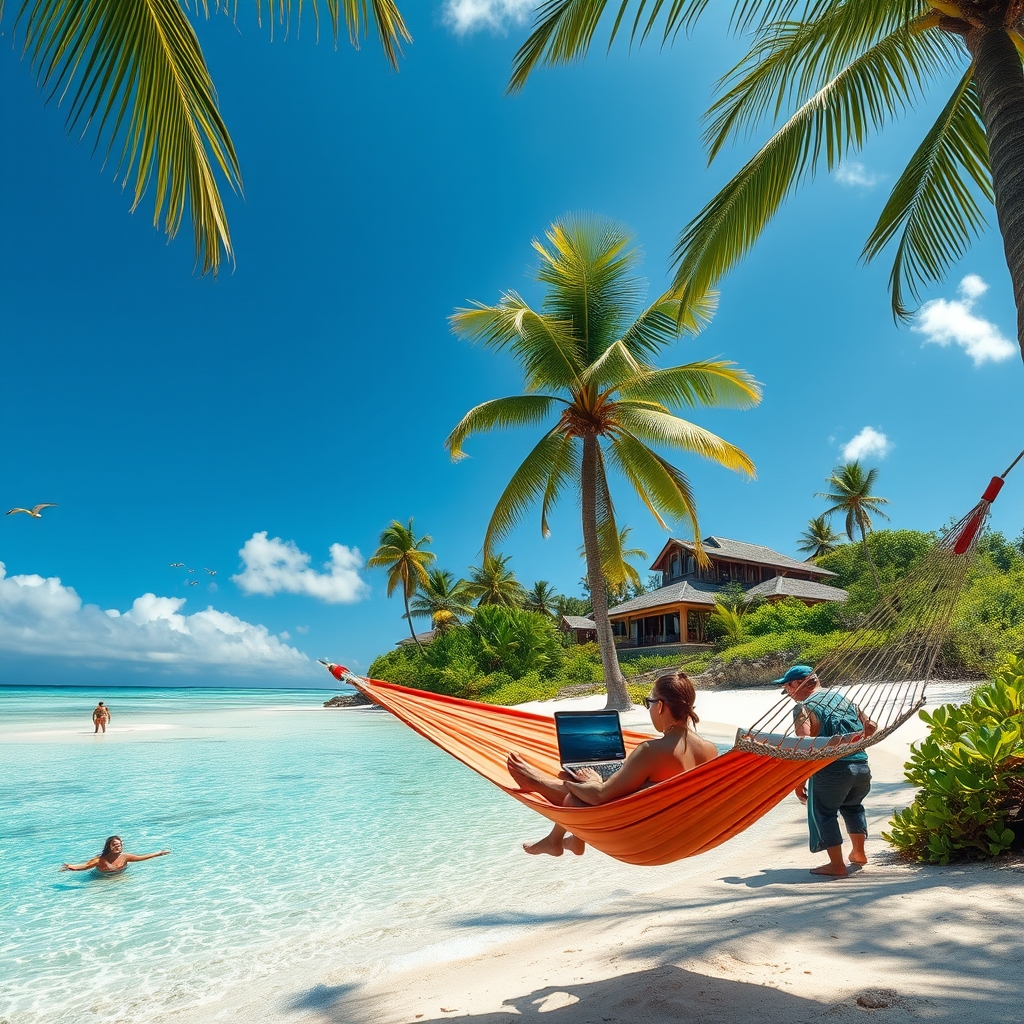
In an era where the world is more connected than ever, the concept of travel has evolved significantly. Sustainable travel, eco tourism, and bleisure travel are no longer just buzzwords; they are becoming the norm for conscious travelers seeking meaningful experiences. This shift is not just about exploring new destinations but also about preserving them for future generations.
Sustainable Travel: A New Paradigm
Sustainable travel is about minimizing the environmental impact of tourism while maximizing the benefits to local communities. It’s about choosing eco-friendly accommodations, supporting local businesses, and engaging in activities that promote conservation and cultural preservation. Eco resorts, for instance, are designed to blend seamlessly with their natural surroundings, using renewable energy sources and sustainable practices.
Eco Tourism: Connecting with Nature
Eco tourism takes sustainable travel a step further by focusing on natural areas and the conservation of ecosystems. It offers travelers the chance to immerse themselves in pristine environments, from lush rainforests to crystal-clear oceans. Activities like wildlife watching, hiking, and birding allow visitors to appreciate the beauty of nature while contributing to its protection.
Bleisure Travel: The Best of Both Worlds
Bleisure travel combines business and leisure, offering professionals the opportunity to extend their work trips into mini-vacations. This trend is particularly popular among digital nomads who can work remotely from anywhere in the world. By choosing eco-friendly destinations and accommodations, bleisure travelers can enjoy the best of both worlds while minimizing their carbon footprint.
Solo Travel and Wellness Tourism
Solo travel has gained popularity as more people seek personal growth and independence. Wellness tourism complements this trend by focusing on activities that promote physical and mental well-being. From yoga retreats to spa getaways, wellness tourism offers a holistic approach to travel, encouraging visitors to recharge and rejuvenate in serene environments.
Island Hopping and Tropical Escapes
Island hopping is a quintessential part of sustainable travel, allowing visitors to explore multiple destinations while minimizing their environmental impact. Tropical escapes, such as those found in the Caribbean or Southeast Asia, offer a blend of relaxation and adventure. Private islands and hidden beaches provide secluded havens where travelers can disconnect from the world and reconnect with nature.
Adventure Travel and Slow Travel
Adventure travel caters to thrill-seekers looking for adrenaline-pumping experiences. From hiking and rock climbing to scuba diving and white-water rafting, adventure travel offers a unique way to explore the world. Slow travel, on the other hand, encourages visitors to take their time and immerse themselves in the local culture. By staying in one place for an extended period, travelers can form deeper connections with the community and gain a more authentic understanding of the destination.
Cultural Tourism and Destination Dupes
Cultural tourism focuses on the heritage, arts, and traditions of a destination. It offers travelers the chance to engage with local communities, learn about their history, and participate in traditional activities. Destination dupes provide an alternative to overcrowded tourist hotspots, offering similar experiences at a fraction of the cost. By choosing lesser-known destinations, travelers can support local economies and reduce the environmental impact of tourism.
As we continue to explore the world, it’s essential to do so responsibly. Sustainable travel, eco tourism, and bleisure travel offer a path forward, allowing us to enjoy the beauty of our planet while preserving it for future generations. By making conscious choices and supporting local communities, we can ensure that our adventures leave a positive impact on the world around us.


