
The Unseen Wonders of Eco-Conscious Island Hopping: A Digital Nomad’s Blueprint for Sustainable Adventure
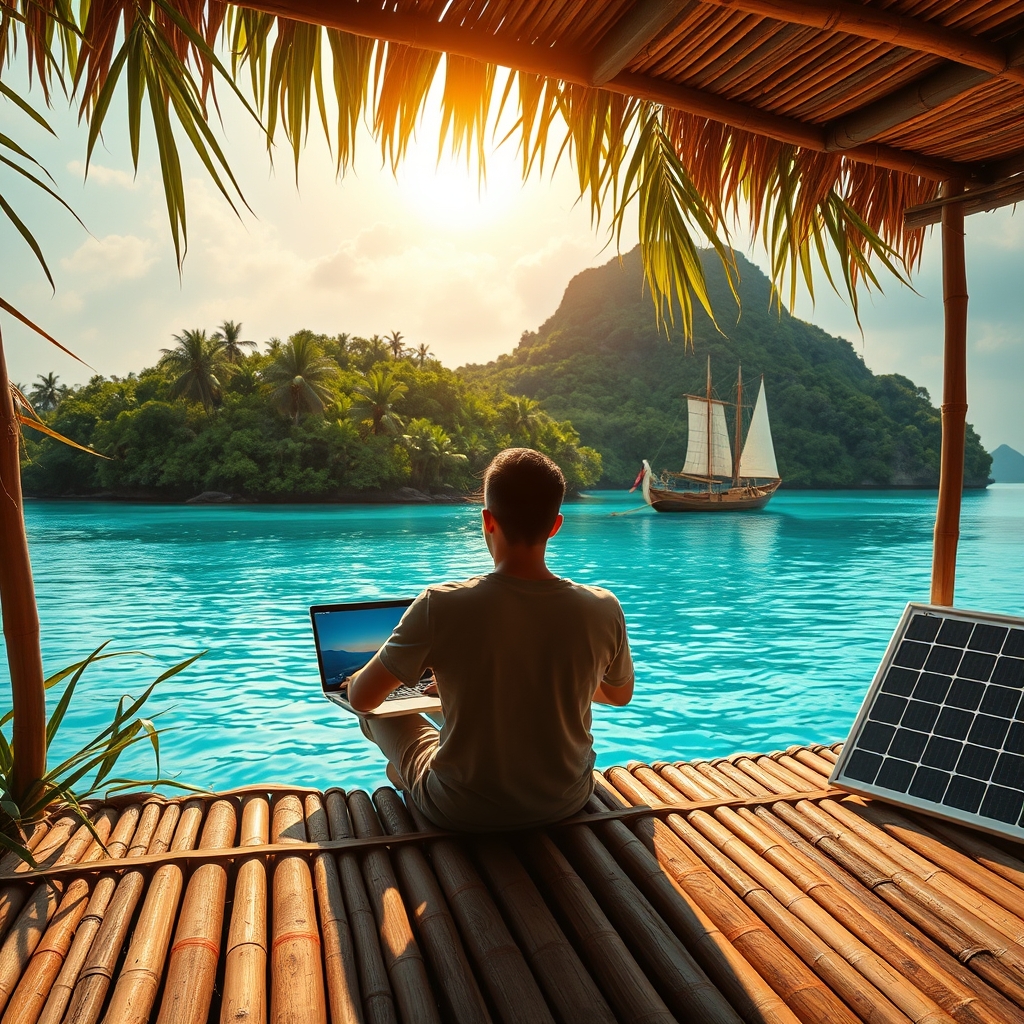
The modern traveler is no longer satisfied with the well-trodden paths of mass tourism. Instead, a growing movement of eco-conscious explorers is seeking out the unseen wonders of the world—places where the rhythm of life moves slower, the landscapes remain untouched, and the connection to nature and culture runs deep. For digital nomads, solo adventurers, and wellness seekers, island hopping has evolved into a mindful practice, blending remote work with sustainable exploration. This is not just about ticking off destinations; it’s about crafting an experience that nourishes the soul while leaving the lightest possible footprint.
The Philosophy of Mindful Island Hopping
Island hopping, when done thoughtfully, is more than a series of ferry rides and beachside selfies. It’s a deliberate choice to engage with each destination on its own terms, to understand its unique ecosystems, and to contribute positively to the communities that call these islands home. The philosophy of mindful island hopping is rooted in three core principles: sustainability, cultural respect, and personal well-being. These principles guide every decision, from the mode of transportation to the choice of accommodations and the activities pursued.
Sustainability begins with the journey itself. Opting for slower, low-impact travel methods—such as sailing, kayaking, or even cycling between islands—reduces carbon emissions and allows for a deeper connection to the environment. Ferries and public boats are often the most eco-friendly options, especially when compared to private charters or flights. For digital nomads, this slower pace also aligns with the principles of slow travel, where the focus shifts from rushing to the next destination to savoring the present moment.
Choosing Eco-Resorts and Sustainable Stays
The rise of eco-resorts and sustainable accommodations has made it easier than ever to travel responsibly. These properties are designed to minimize their environmental impact while maximizing their positive contributions to local communities. From solar-powered villas to zero-waste retreats, eco-resorts offer a guilt-free way to indulge in luxury. Many of these properties are nestled in remote locations, providing an immersive experience in nature without sacrificing comfort.
For example, the Six Senses resorts scattered across Southeast Asia and the Indian Ocean are renowned for their commitment to sustainability. These properties often feature organic gardens, water conservation systems, and initiatives to protect local wildlife. Similarly, Bawah Reserve in Indonesia is a private island escape that operates entirely off-grid, using solar power and rainwater harvesting to sustain its operations. Staying at such places not only reduces your carbon footprint but also supports businesses that prioritize the planet over profit.
Cultural Immersion as a Path to Deeper Connection
One of the most rewarding aspects of mindful island hopping is the opportunity to immerse yourself in the local culture. This goes beyond visiting tourist attractions or sampling local cuisine—though those are certainly part of the experience. True cultural immersion involves engaging with the community, learning from its people, and contributing in meaningful ways. This could mean participating in a traditional fishing expedition, joining a local conservation project, or simply spending time with artisans to understand their craft.
In the Philippines, for instance, the island of Palawan offers a wealth of cultural experiences. Visitors can learn about the indigenous Tagbanua people, who have lived in harmony with the island’s ecosystems for centuries. By supporting community-based tourism initiatives, travelers can help preserve these traditions while gaining a deeper appreciation for the land they’re exploring. Similarly, in the Azores, Portugal’s hidden archipelago, visitors can engage with local farmers, fishermen, and artisans to learn about the islands’ unique way of life.
Balancing Work and Wellness in Paradise
For digital nomads, island hopping presents a unique opportunity to blend work with wellness. The key is to create a routine that allows for productivity without sacrificing the benefits of being in a tropical paradise. This might mean setting up a workspace in a beachside café, taking breaks to swim in crystal-clear waters, or practicing cozy cardio—a low-impact exercise trend that combines walking or light jogging with mindfulness—along scenic coastal trails.
Many eco-resorts now cater specifically to remote workers, offering high-speed internet, co-working spaces, and wellness programs designed to keep the mind and body in balance. For example, Soneva Fushi in the Maldives provides a dedicated Soneva Academy where guests can participate in workshops on sustainability, marine biology, and wellness while enjoying the island’s pristine surroundings. Similarly, Nihi Sumba in Indonesia offers a Wellness Concierge service, curating personalized programs that include yoga, meditation, and holistic therapies.
The Rise of Destination Dupes: Hidden Gems Over Crowded Hotspots
As sustainable travel gains momentum, more travelers are seeking out destination dupes—lesser-known alternatives to popular hotspots that offer similar beauty without the crowds or environmental strain. Instead of flocking to Bali or the Maldives, eco-conscious explorers are discovering hidden gems like the Comoros Islands in the Indian Ocean, the Solomon Islands in the Pacific, or the San Blas Islands off the coast of Panama. These destinations provide the same tropical allure but with a fraction of the tourists and a stronger commitment to preserving their natural and cultural heritage.
For instance, the San Blas Islands are a pristine archipelago managed by the indigenous Guna people. Visitors can stay in simple, eco-friendly accommodations, explore untouched coral reefs, and learn about the Guna’s traditional way of life. Similarly, the Comoros Islands offer lush rainforests, active volcanoes, and some of the world’s most fragrant vanilla and ylang-ylang plantations—all without the commercialization of more popular destinations.
Adventure with a Conscience
Adventure travel doesn’t have to come at the expense of the environment. In fact, many of the most thrilling experiences—like hiking through untouched rainforests, snorkeling in marine protected areas, or kayaking along remote coastlines—are inherently sustainable. The key is to choose operators and guides who prioritize eco-friendly practices and respect for local ecosystems.
In Costa Rica, for example, the Osa Peninsula is a haven for adventure seekers. Visitors can explore Corcovado National Park, one of the most biodiverse places on Earth, with guides who are trained in conservation and sustainable tourism. Similarly, in the Fiji Islands, travelers can participate in community-led conservation projects, such as coral reef restoration or turtle monitoring, while enjoying world-class diving and snorkeling.
Island hopping, when approached with intention and respect, becomes more than just a vacation—it’s a transformative journey. It’s about stepping off the beaten path, slowing down, and allowing the natural and cultural beauty of each destination to leave a lasting impression. For digital nomads, solo travelers, and wellness seekers, this mindful approach to exploration offers a way to work, play, and grow without compromising the planet or the communities that make these places so special. The world is full of unseen wonders, waiting to be discovered by those who are willing to travel with curiosity, compassion, and care.


