
The Secret Art of Slow Travel: How Hidden Beaches and Eco Resorts Are Crafting the Soulful Digital Nomad Experience
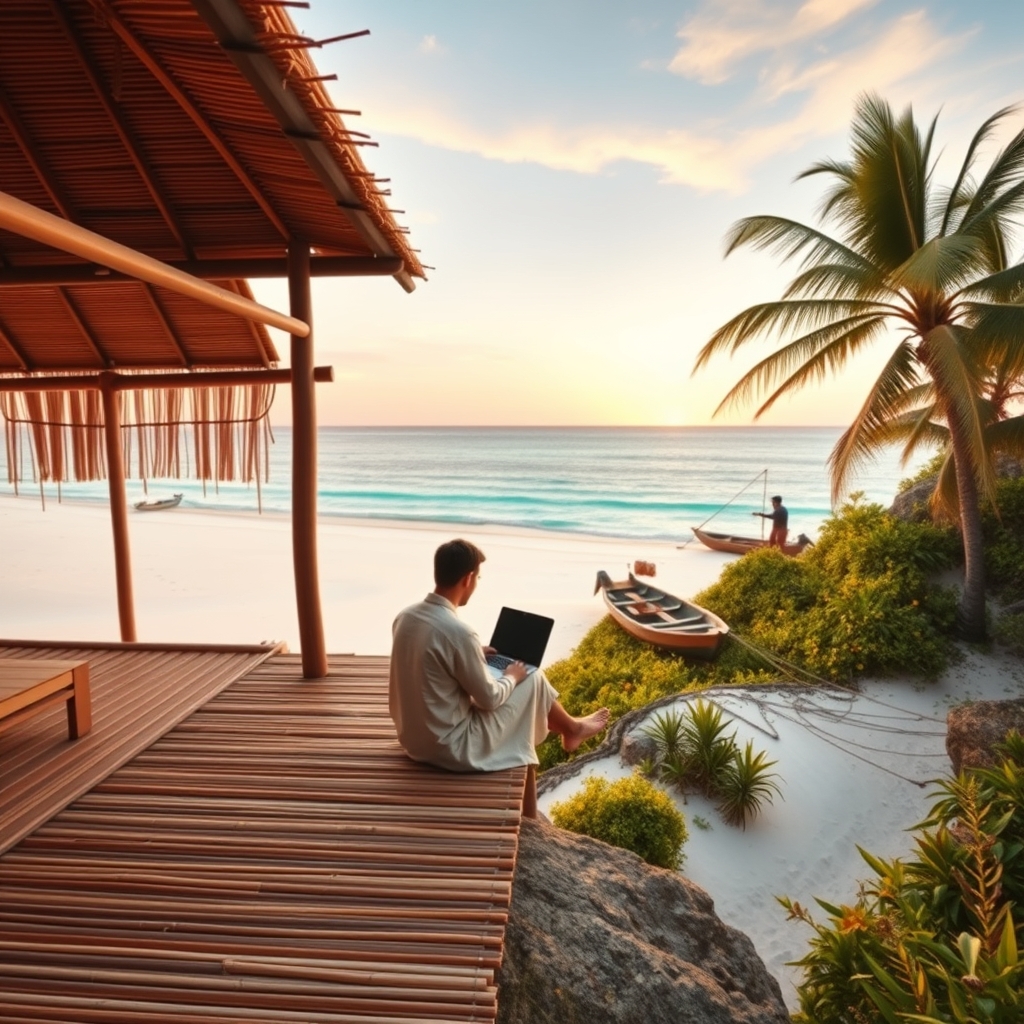
The modern digital nomad is no longer tethered to the hum of fluorescent lights and the relentless ping of notifications. Instead, they are trading office cubicles for the whisper of palm fronds and the rhythmic lull of ocean waves, seeking a lifestyle that blends productivity with profound connection—to nature, to culture, and to themselves. This shift isn’t just about changing locations; it’s about redefining what it means to live and work in harmony with the world. At the heart of this transformation lies the art of slow travel, a philosophy that turns hidden beaches and eco resorts into sanctuaries for the soulful digital nomad.
The Philosophy of Slow Travel: More Than Just a Pace
Slow travel is often misunderstood as merely spending more time in one place. While extended stays are part of the equation, the essence of slow travel runs deeper. It’s about immersing yourself in the rhythm of a destination, allowing its culture, landscapes, and people to shape your experience in ways that rushed itineraries never could. For the digital nomad, this means trading the frantic pace of back-to-back meetings and tourist traps for a more deliberate, mindful way of exploring the world.
Imagine waking up in a bamboo villa perched on the edge of a secluded beach, the golden light of dawn spilling across the sand. Your morning begins not with the jarring alarm of a smartphone, but with the natural symphony of birdsong and the gentle rustle of leaves. You sip locally sourced coffee on your veranda, watching fishermen cast their nets into the turquoise waters below. This is the rhythm of slow travel—a rhythm that syncs with the heartbeat of the earth rather than the ticking of a clock.
Hidden Beaches: The Ultimate Digital Nomad Sanctuary
In a world where over-tourism has turned once-pristine destinations into crowded, commercialized hotspots, hidden beaches offer a rare refuge. These untouched stretches of sand and sea are more than just postcard-perfect backdrops; they are spaces where digital nomads can disconnect from the noise of the modern world and reconnect with their work, their creativity, and their inner peace. The allure of these secret shores lies in their ability to foster focus without isolation, solitude without loneliness.
Take, for example, the remote beaches of Indonesia’s Sumba Island. Far from the bustling crowds of Bali, Sumba’s coastline is a tapestry of dramatic cliffs, powdery white sands, and crystal-clear waters. Here, eco resorts like Nihi Sumba have mastered the art of blending luxury with sustainability, offering digital nomads a space to work with purpose while surrounded by untouched natural beauty. The resort’s open-air workspaces overlook the Indian Ocean, where the only distractions are the occasional dolphin sighting or the distant hum of traditional pasola horseback riders practicing for their next festival. It’s a place where deadlines feel less like pressures and more like gentle reminders of why you chose this life in the first place.
Eco Resorts: Where Sustainability Meets Serenity
The rise of eco resorts has been a game-changer for digital nomads who prioritize sustainability without sacrificing comfort. These retreats are designed to tread lightly on the earth while providing all the amenities a remote worker could need—reliable Wi-Fi, ergonomic workspaces, and even wellness programs tailored to the needs of those who spend hours at a laptop. But what sets eco resorts apart is their commitment to preserving the very environments that make them so special.
In Costa Rica, Lapa Rios Lodge offers a masterclass in eco-conscious hospitality. Nestled within a 1,000-acre private rainforest reserve on the Osa Peninsula, the lodge is a haven for digital nomads who want to work amidst biodiversity. The open-air bungalows are built from locally sourced materials, and the resort’s energy comes from renewable sources. But the real magic happens outside the workspace. Between meetings, you can take a guided hike through the rainforest, where scarlet macaws dart between the trees and howler monkeys fill the air with their primal calls. Or, you can kayak through the mangroves, where the only deadline is the setting sun.
The Digital Nomad’s Dilemma: Balancing Work and Wonder
For all its beauty, the digital nomad lifestyle isn’t without its challenges. The line between work and leisure can blur when your office is a hammock strung between two palm trees, and the temptation to abandon your laptop for the allure of adventure is ever-present. The key to thriving in this lifestyle lies in finding a balance—one that allows you to meet your professional obligations without sacrificing the very experiences that drew you to slow travel in the first place.
This balance is where the concept of mindful productivity comes into play. It’s about structuring your day in a way that honors both your work and your well-being. Start with a morning routine that grounds you—whether it’s a sunrise yoga session on the beach, a swim in the ocean, or simply savoring a quiet breakfast with a view. Then, dedicate your most productive hours to focused work, using the natural light and fresh air to fuel your creativity. When the workday is done, let the destination inspire you. Explore a nearby village, take a cooking class to learn the local cuisine, or simply wander along the shore with no agenda other than to soak in the moment.
The Role of Community in Slow Travel
One of the most unexpected gifts of the slow travel lifestyle is the sense of community it fosters. Unlike traditional tourism, where interactions with locals and fellow travelers are often fleeting, slow travel creates space for deeper connections. Eco resorts and co-working retreats are designed to bring like-minded individuals together, whether through communal meals, group excursions, or shared workspaces. These connections can turn strangers into friends, collaborators, and even future travel companions.
In Portugal’s Algarve region, Cowork Surf is a prime example of how slow travel can build community. This eco-conscious retreat combines co-working spaces with surf lessons, yoga sessions, and cultural activities, attracting digital nomads from around the world. The result is a vibrant, supportive community where ideas flow as freely as the Atlantic waves. It’s a reminder that while slow travel is often a solo journey, it doesn’t have to be a lonely one.
The Future of Digital Nomadism: A Return to What Matters
As the digital nomad lifestyle continues to evolve, one thing is clear: the future belongs to those who embrace slow travel. The pandemic taught us that work doesn’t have to be confined to an office, and the climate crisis has shown us that our choices as travelers have real-world consequences. Slow travel offers a path forward—one that allows us to explore the world with intention, to support local communities, and to leave a lighter footprint on the planet.
The hidden beaches and eco resorts of the world are more than just destinations; they are classrooms, sanctuaries, and catalysts for change. They teach us that productivity and presence are not mutually exclusive, that adventure and responsibility can coexist, and that the true luxury of travel lies not in the places we visit, but in the way we choose to experience them. For the soulful digital nomad, this is the ultimate revelation—a reminder that the journey is not just about where you go, but how you grow along the way.


